

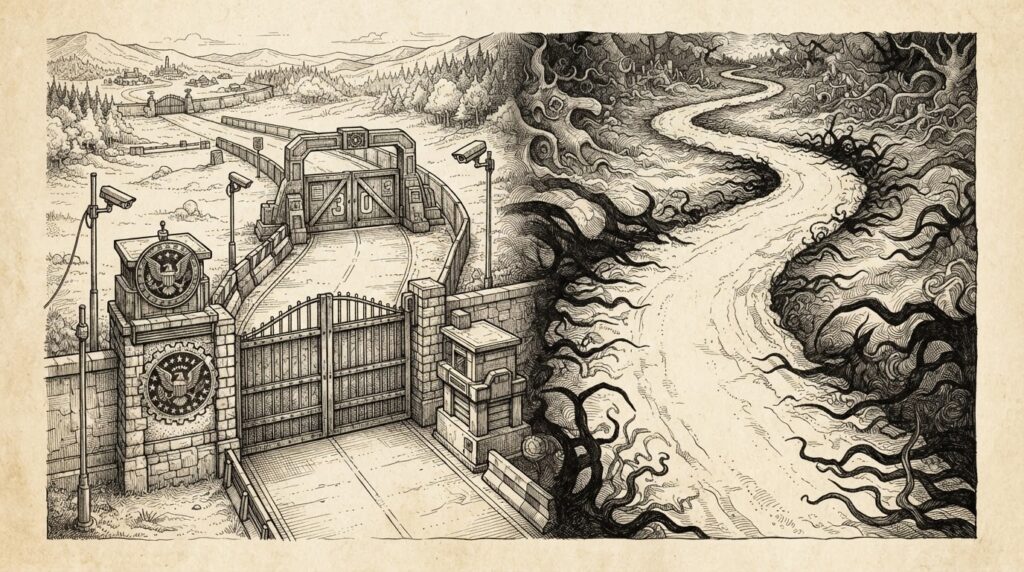
You literally can’t control the proliferation of open models made outside your jurisdiction.
Good? Let these incompetent corrupted boomers not touch it?
This feels like regulators preparing for the last AI race instead of the next one. If open weight AI keep improving outside the biggest labs, excluding them from review may reduce paperwork without reducing risk. Policy that only slows one side rarely stays effective for long.
The other issue is enforcement. If somebody releases a weights table on the web publicly, by the time the government can review it thousands of people could of seen it and saved a copy of it. You can track down the first person and say take it down but you can’t track down everyone. It’s like the dvd encryption number from the early 2000s. Why waste the resources?
The federal government has a vested interest in promoting open-weight AI. Closed AI ecosystems can limit how the government can use them.
Exactly! A government that depends entirely on proprietary AI is ultimately dependent on a handful of private companies. Open weight models offer more flexibility: agencies can self host, audit, modify and switch providers without being locked into a single vendor. That’s a strategic advantage, not just a technical preference.

