
- cross-posted to:
- environment@beehaw.org
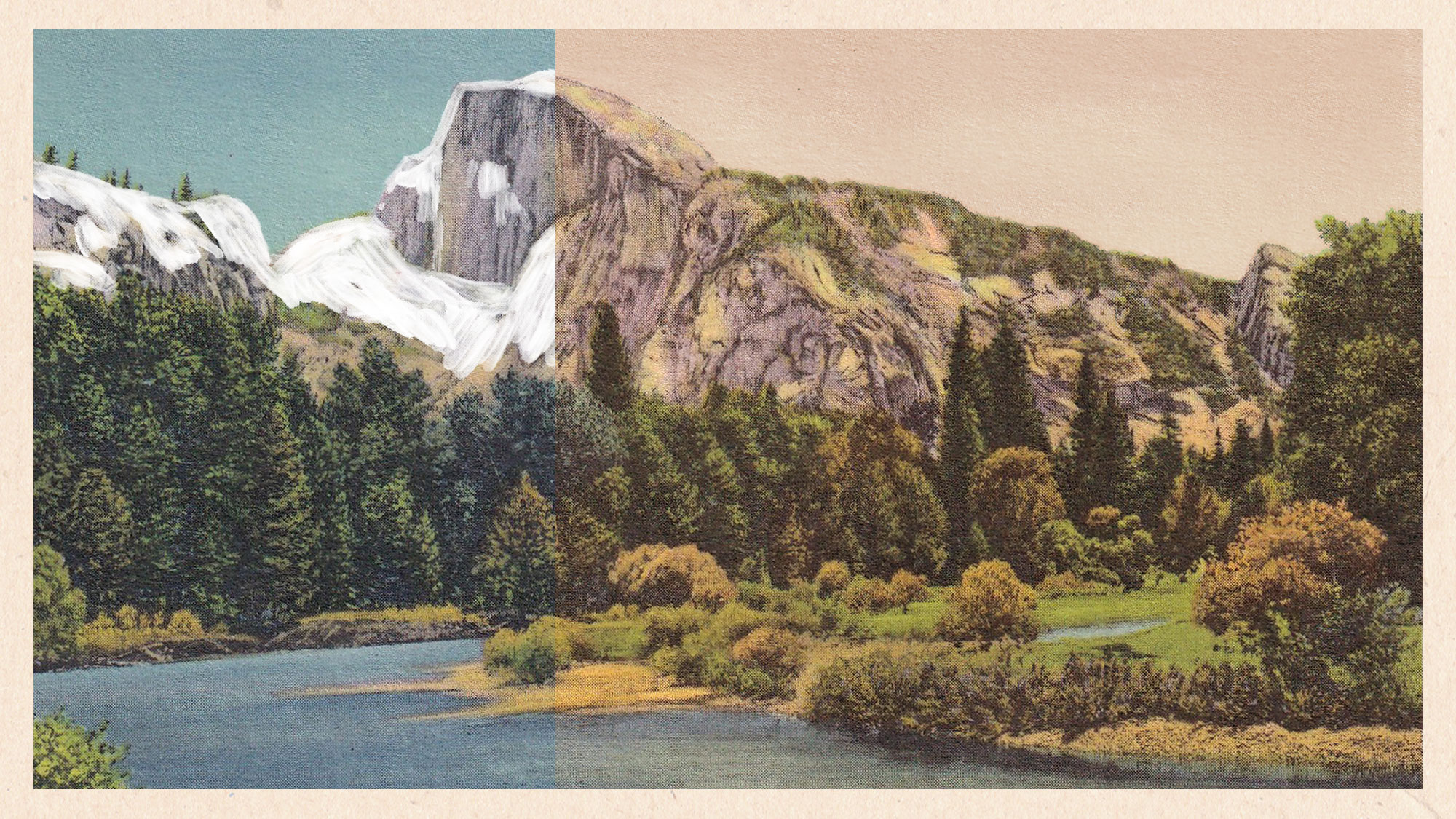
“It feels like a monster came and just in the middle of the night, took a bite out of a snowpack,” said LaPlante, a journalist and climate scientist at Utah State University.
So it’s fitting that scientists have started calling these kinds of heat waves, marked by unusually high temperatures in the spring and early summer, “snow eaters.”
link to open access paper
https://www.science.org/doi/10.1126/sciadv.aeb3361

Fig. 1. Snow-process differences between snow-eater heat waves, warm spells, and rain-on- snow events. A schematic that contrasts the differences between WUSsnow-eater heat-wave events, warm spells, and rain-on- snow events. these phenomena differ in their synoptic-to-mesoscale atmospheric circulation patterns and surfaceenergy budgets operating at synoptic to microscales (i.e., slope