
60 posts a day? Trying to own our feeds?
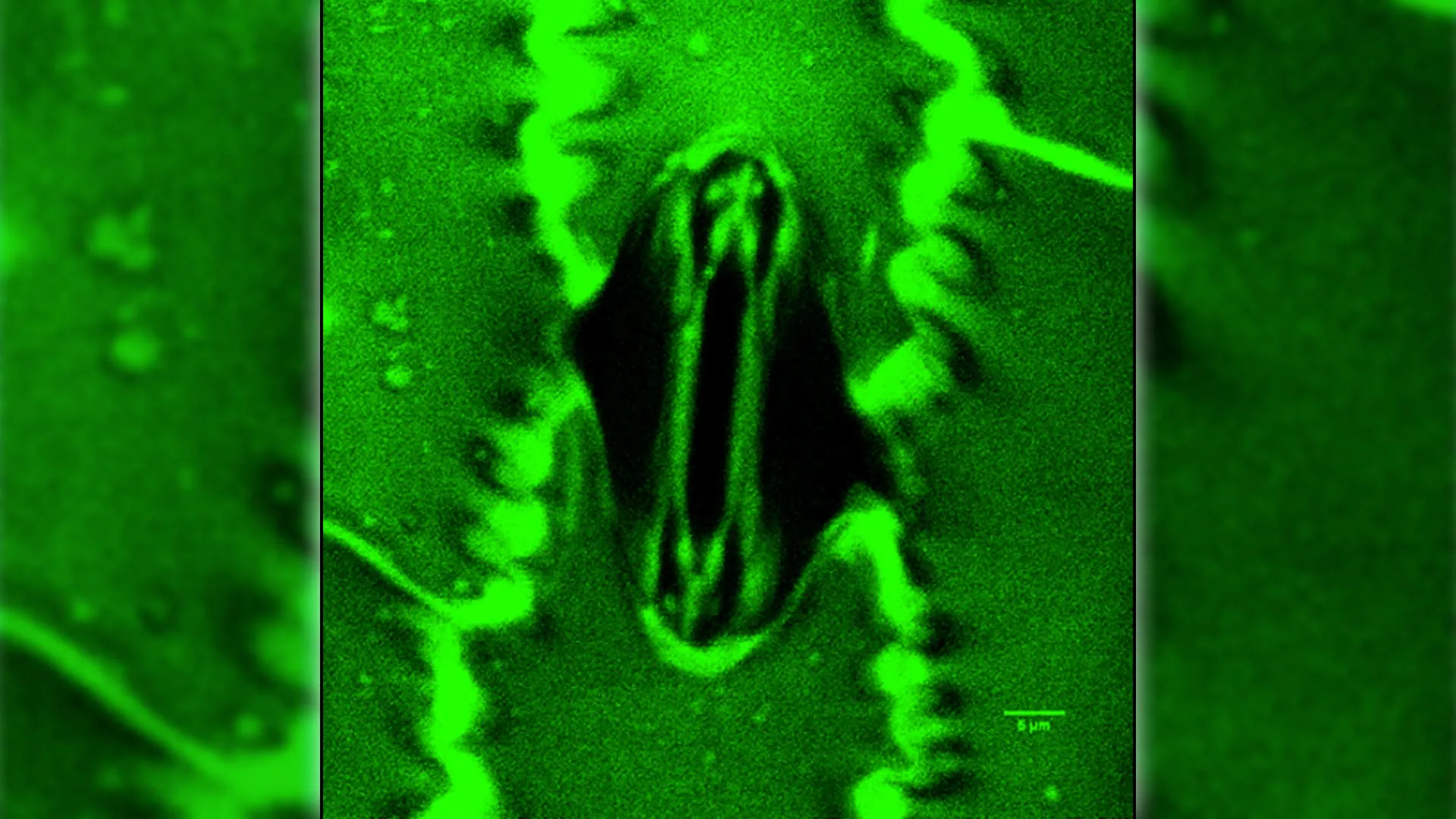
I think this is a great discovery, but I don’t know if it’s the massive breakthrough the article makes it up to be. Improved water efficiency is great and could cut irrigation costs (if the farmer changes their irrigation method accordingly), but if there’s not enough water in the first place I doubt an improved water use efficiency will do much. Still pretty nice though.
It’s nice to know, I agree. But converting from a C3 pathway to C4 for Photosynthesis via genetic engineering will save a ton of water while also potentially making them drought resistant.
It might, but I think engineering plants to be drought resistant is still a long way off. There’s more to going from C3 to C4 than just stomatal function, like the typical Kranz anatomy of a C4 plant and the extra biochemical steps in their carbon fixation. Then again, some common crops (like corn) are already C4 plants, so it could be possible to make them even more drought resistant. I just don’t know how they’ll ever improve the yield of crops under drought stress, even if they can survive it.
Edit: that doesn’t mean it isn’t worth looking into, of course.
I agree it’s a long way off. I went to a conference in early 2000’s and everyone was hyped for it.
Honestly I think you’d see better improvement by focusing on increasing yields in plants that are already C4 (like corn, as you mentioned). There are plenty of grass derivatives like sugarcane that are already C4 and also established crops.