
Summary:
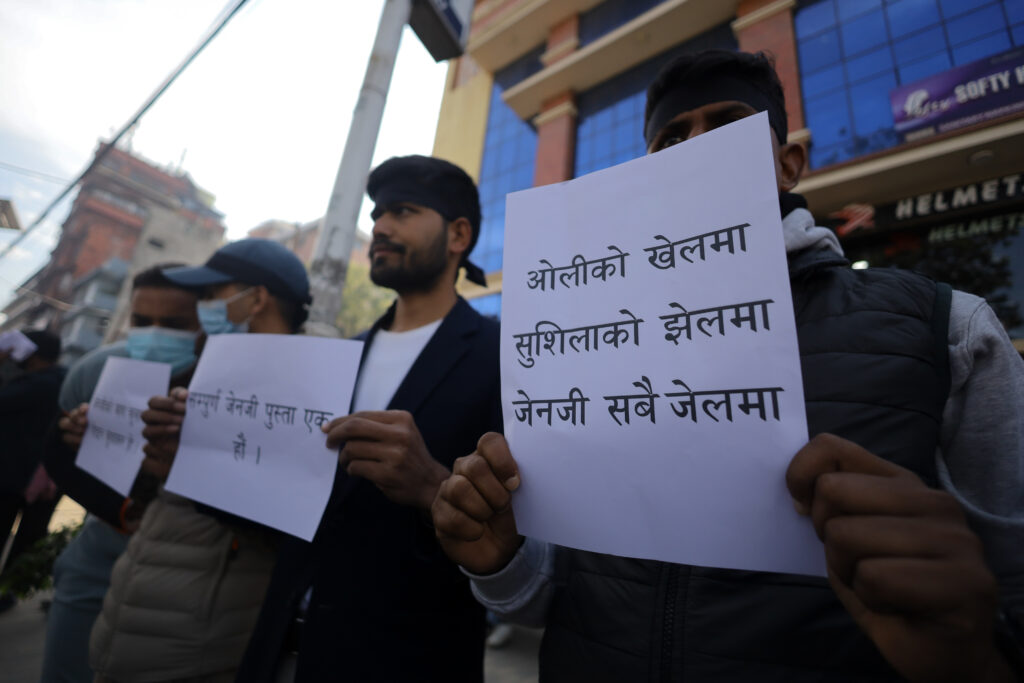
Nepal faced a sudden political upheaval in September 2025 triggered by student-led Gen-Z protests against the government, which resulted in 76 deaths and widespread unrest. The protests exposed weaknesses in party governance and accountability. The then-prime minister KP Sharma Oli resigned, and an interim government led by former chief justice Sushila Karki was formed with tasks including investigating the violence, reviewing corruption, and overseeing new elections.
Nepal’s political system suffers from concentrated power in party leadership, with older leaders dominating and limited representation for the youth (43% of the population aged 16-40). Despite the turmoil, Nepal’s macroeconomic fundamentals remain strong: foreign exchange reserves are high (about 50% of GDP), balance of payments is in surplus, inflation is low, tourism is recovering, energy exports continue, and remittances surged by over 31%.
The interim government initiated reforms to attract foreign investment by easing business processes and relaxing foreign exchange laws. Nepal maintains good international relationships, with continued foreign aid and support despite global reductions.
The March 2026 elections are a critical opportunity for new leaders, including younger and reform-minded figures like Gagan Thapa (Nepali Congress) and Balen Shah (Rastriya Swatantra Party), to bring meaningful governance reforms addressing issues such as good governance, anti-corruption, and job creation. The political change could align with Nepal’s economic transformation if new leaders can deliver on reform promises.
Archive: https://archive.fo/iOoSd