If you know anything about Linux’s history, you’ll remember it all started with Linus Torvalds posting to the Minix Usenet group on August 25, 1991, that he was working on “a (free) operating system (just a hobby, won’t be big and professional like gnu) for 386(486) AT clones.” We know that the “hobby” operating system today is Linux, and except for PCs and Macs, it pretty much runs the world.
Did you ever wonder, though, how it went from being one person’s project to being a group effort? I knew most of the story because I’d been using Linux since 1993. But I thought I’d ask Linus, and some of the early Linux developers.
Pet peeve of mine, what do you call a computer that runs Linux I’m pretty sure its also a PC. Windows shouldn’t have a monopoly of that term.
Never mind the fact that you can also run Linux on a Mac…I agree with this pet peeve
Does a Mac turn into a PC when using Linux on it? Thats at least how it would work with my definition of PC, which is “personal” meaning that you control it fully. But I never thought that deep about it really.
In the sense that PC stands for “personal computer”, yes.
But PC has historically been a shortening of “IBM PC compatible”, which makes certain assertions about system architecture. In this sense, x86 Macs are PCs, but others are not.
With your definition of PC, “which is ‘personal’ meaning that you control it fully” I wouldn’t consider a computer running Windows to be a PC.
Even when it’s running Windows, you’re free to install Linux whenever you want. When that’s no longer true is when it stops being a PC imo
yea, not any more really. but its not a clear line at all lom
No. A Mac becomes a non-personal computer. And NPC…?
With x86 Macs I would agree they do…but with the ARM Macs…I’m not so sure. They’re so unique hardware wise it starts to depend on how you define PC. If you define it as the acronym “Personal Computer” then a Mac is always a PC regardless of what you run on it. If we’re talking IBM PC then modern Macs are never that. (I think the latter definition is generally more helpful as otherwise PC vs Mac makes no sense and phones become PCs etc)
Yes that was poorly worded. Replace “except for” with “besides” and it’s fine.
Thank apple for this bullshit
there’s also the fact that for a fair number of years, macs were also PCs
Linus doesn’t get enough credit. imagine if the internet was run on windows. we’d have to restart the internet every couple of days
I guess it would have ran on Unix but I imagine it would just have been remaining a server operating system and probably with some expensive licence fees as well.
There’s an argument that BSD would have been dominant in that case. It was bogged down in lawsuits claiming that it was pirated Bell Unix at the time, but they were dismissed not long after.
The arrival of Linux also slowed development of the GNU Hurd kernel, so that’s another possible contender.
Would be a nightmare to adminster as well, has so much less automation and tooling for deployment and updating of software. Even now the updating of apps on windows is a mess and the closest they have come is winget that centralises the entire thing through stores, completely useless for the corporate world. There is a reason Linux won on the server.
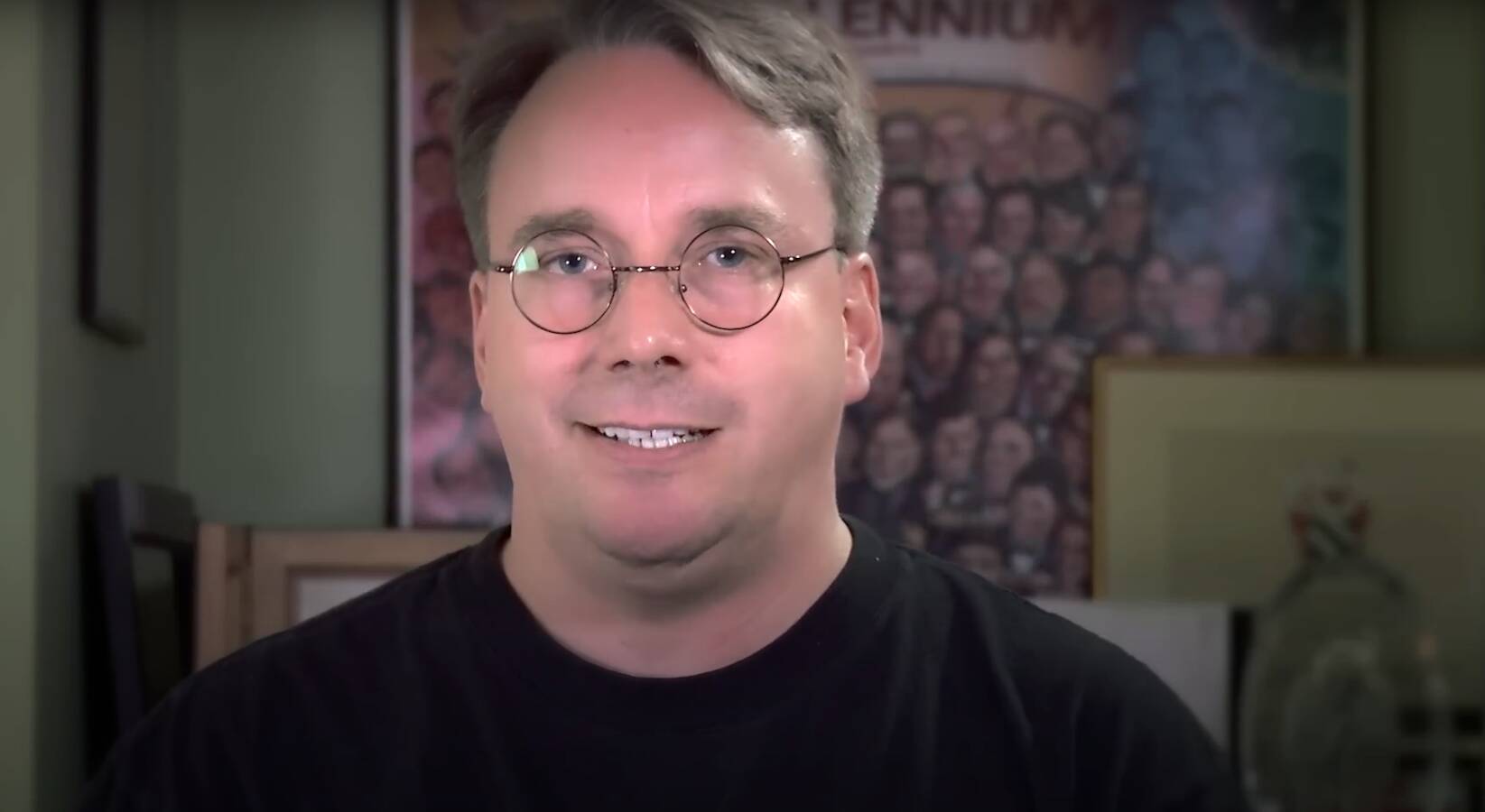
I don’t know how he ended up with the Captain Kirk lighting setup. But I’m here for it.

Did a quick search it seems that it’s called Shatner light. Very cool.
civilization