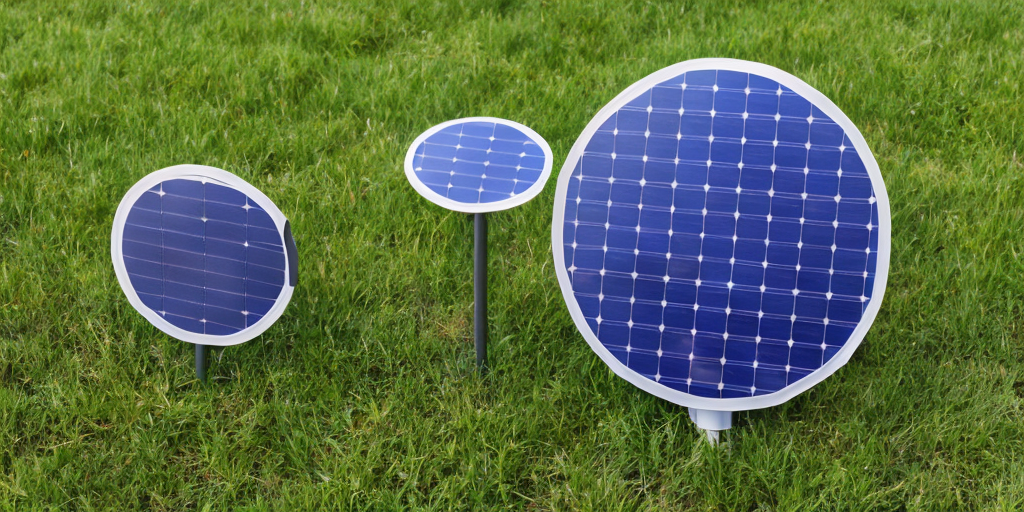
I am looking to mount my solar panels on an uninsulated pole barn about 30m from my house.
Does it make more sense to route my 48V dc lines to my climate controlled house or should I build a climate controlled space for just my solar inverter/batteries in my barn?
Are there any off the shelf containers for battery storage? Like a chest freezer designed to keep the interior at 15c?
The system will be hybrid grid tied with about 7kwH of battery capacity. My house is very shaded, but the pole barn is not. That is why mounting panels on the house is not an option.
Conclusion: After reading all your input I think I’m going to build a tiny room in my pole barn with insulation and a ductless mini split in there to maintain a stable temp/humidity over the year. It’s a headache, but it’s going to be cheaper than giving up 25% of my power to DC resistive losses or killing my battery’s life.
Thanks for everyone’s input.
There are exhaust fans with temperature control, that plus some insulation could be a mild diy option.
You definitely want the batteries in a conditioned space. You didn’t say what type of batteries, but I’m assuming LiFePO4. You can store them at a fairly wide range (my hybrid battery does fine all winter parked outside) but charging/discharging them has much more restrictions if you want your batteries to remain healthy and happy.
- Discharging Range: Typically from -20°C to 60°C (-4°F to 140°F). This is the widest and most permissive operational range.
- Charging Range: A much stricter range, typically from 0°C to 45°C (32°F to 113°F). Respecting this range is critical for battery health.
- Storage Range: The ideal range for long-term health is between 10°C and 35°C (50°F to 95°F).
– https://www.anernstore.com/blogs/anern-solar-insights/lifepo4-battery-temperature-range-guide
Those are “absolute” limits but there’s a table on the linked page with the recommended temperature limits and they’re quite a bit more narrow.
Whether it makes more sense to condition the shed or run your PV output 30 meters from the shed depends on the amperage and voltage from the PV. The higher the voltage, the less amperage and thus smaller conductors can be used and less loss along the way. Not sure what your charge controller accepts, so you’ll have to check.
Lithium based batteries will perform poorly if they get too cold. How badly depends on the speceific chemistry but all will take a hit.
Depending on how DIY you’re going, you may want to look into Sodium Ion batteries. They are much much more tolerant to cold and still have full performance down to -40 degrees C.
From the little I’ve seen, Sodium batteries are far more temperature tolerant, but that comes with a significant hit to efficiency. Might not be worth it vs just insulating.
but that comes with a significant hit to efficiency
Efficiency in what regard? Size efficiency? Sure. They are physically larger but not like quadruple in size, but its rare that fixed battery has tight size constraints where higher density Lithium solutions shine.
Might not be worth it vs just insulating.
Likely need more than insulating, but even needing heat generation depending on OPs latitude.
Efficiency in the percentage of energy returned vs the amount of energy put in.
I hadn’t looked this up before ,but you’re right on this. The difference isn’t huge though, about 5% apparently.
- Sodium Ion RTE 85 to 92%
- NMC (Lithium) 88% to 95%
- NCA (Lithium) 90% to 95%
- LFP (Lithium) RTE 90% and 97%
It’s not a deal breaker usually. Costs should drop pretty quickly, and I’d imagine efficiencies should improve as well. Certainly better for the planet than Lithium batteries. I’ve only looked into it because my situation is pretty weight/efficiency biased. Might have to plan on another panel to offset the loss, or it might be acceptable for someone’s use case. It’s just something to be aware of if someone is going that way. I shouldn’t have to update my situation for a few years, so I’m hoping to go the sodium route when the time comes.
Are there any off the shelf containers for battery storage? Like a chest freezer designed to keep the interior at 15c?
A modified chest freezer might actually work extremely well for a DIY solution.
-
Already extremely well insulated.
-
Keeping a small space like that conditioned to the right temperature will use much less energy than trying to condition an entire (and likely poorly insulated) shed.
-
Already has a built-in cooling circuit for when/if the batteries need cooling. You just need to modify or replace the thermostat so you can set it to the temperature range you want. Then you just run the freezer’s compressor whenever the batteries are too hot.
-
Just need to add in some resistive heating coils somewhere inside the freezer space (maybe a small space heater), with their own thermostat, giving you the ability to heat the space. (Maybe the defrosting circuit of the freezer can be used for this. Something to look into.) (If you wanted to be really efficient, maybe you could look into adding a reversing valve to the freezer’s refrigeration circuit, allowing it to operate as a heat pump for more efficient heating … but that’s starting to be a really involved modification.)
But … yeah. A chest freezer with some relatively minor modifications could actually be an ideal temperature-controlled battery box!
I had a whole comment typed up about how brilliant that idea was, but I just realized that if you’re running deepcycle lead acids then you don’t want them in a completely airtight box because hydrogen off gassing is a concern.
But if you’re running lithiums then that should be ok. Plus if you put the inverter in it as well then the inverter would probably even generate enough heat to keep the batteries warm in the winter. Then you just install a small exhaust fan to cool the inside as needed and throw the lid completely open in the summer. I’d say you could even use the built in refrigeration to fine tune the temp but you’d probably cook the compressor pretty quick because those things aren’t designed with a live load or non-freezing box temps in mind. Also just be a bit careful cutting or drilling into most chest freezers because on most the refrigerant pipes are in the walls.
those things aren’t designed with a live load or non-freezing box temps in mind
Well, all of them have to deal with non-freezing temps on first startup. So non-freezing temps shouldn’t be a complete deal-breaker.
The only question is if it could handle near-continuous operation in the worst case scenario. And … I bet it would. They have to be designed to potentially run for hours on end if someone dumps in a lot of warm food to be frozen, right? Imagine a hunter putting in all the meat from an elk carcass on a hot day – the freezer would have to run as much as possible for a pretty long time to cool all that down, and that should be within its normal design parameters. Oh, and people expect that their freezer won’t break if they accidentally leave the door open and end up making it try to cool the whole room.
And if it can’t handle running continuously, it probably already has circuitry inside designed to shut the compressor off and give it rest periods (and probably also detect overheat conditions and shut it off for that as well). As long as you leave that circuitry intact, it should manage just fine.
But, yeah … at any rate, the main concern here is keeping the batteries warm, not cooling them. The cooling ability is just a bonus, really. And unless it’s a really hot day, you can probably cool the batteries just fine by simply opening the freezer door and maybe pointing a fan at it. Though that would have to be done manually, which could be annoying.
Good point about the lead-acid batteries, though! Those may leak hydrogen gas, and you want them to be well-ventilated, not closed up in an airtight box. Using lead-acid batteries in a freezer could lead to a pretty dangerous situation.
Sorry for the impending refrigeration rant but I’ve seen a lot of dead chest freezers and small bar owners disapointed at that news so now I have been activated like a sleeper agent. Not dirrected specifically at you or even terribly applicable to the thread. Just a PSA for anyone who wants to mine my text wall.
Yes, chest freezers can handle an occasional high temp pull down. The issue is how continuously/frequently they have to do it. As far as your example about loading a whole bunch of hot food in the freezer; people frequently kill them that way even today. Most people don’t realize that most chest freezers aren’t really designed to freeeze things; they are just designed to keep already frozen things frozen. It’s actually recommended that you initially freeze things in a standard freezer before you transfer those things into your chest freezer. For most chest freezers pulling things down to temp is not part of the design parameters and they usually will say that somewhere in the manual which no one reads because who needs a manual for a freezer.
There are several reasons for this. Firstly, the refrigerant metering device on your average chest freezer is just going to be a capillary tube. Cap tubes are great because they’re just little tubes so they’re dirt cheap and there is nothing that can really go wrong with them if they don’t get plugged or broken. But they also suck because they are just little tubes so they don’t adjust to varried loads at all. They are designed for a specific box temp and a specific ambient temp. If the box temp is too high they just underfeed refrigerant and the whole system runs hot and poorly until the box temp gets down close to the design temp. The hermetic compressors used on chest freezers (and almost everything now) are cooled by the suction gas going back to the compressor. If that suction gas comes back significantly warmer than designed then the compressor will begin to heat up and eventually overheat entirely. Compressors are specifically designed for either freezer or cooler use at least in part due to this (also compression ratios). The compressor should have a thermal overload (the sole safety device on even many new chest freezers) that shuts it down when that happens but that’s just a safety device. That thermal overload is mostly there as a circuit breaker device in case the compressor is drawing too much power usually due to failed start components. If too much current passes through the overload to the compressor then it gets hot from it’s own heat like a normal circuit breaker and trips. It only somewhat serves as a compressor high temp cutout because it’s mounted on the compressor shell and when the shell gets hot enough it will also trip the thermal overload or at least make it easier for it to trip. However that is only sensing the external shell temperature of the compressor. The windings, bearings, and other internals get much hotter than the outer shell. They aren’t designed to repeatedly overload and doing so will lead to them progressively getting hotter and hotter until eventually the compressor fails due to overstressing the internals. Put it this way, when I encounter a compressor that has been repeatedly tripping the thermal overload, the compressor shell is almost alway hot enough to instantly flash water to steam and that is the coldest part of the compressor. Repeated overloads also destroy the start components. I actually just had to swap start components on a little freezer today because it tripped the thermal overload enough (failed condenser fan motor) to fry the start relay. Depending on the refrigerant and oil, the refrigerant or oil itself can also break down into a wax or even an acid under high temps which will plug the capillary tube or basically electroplate the compressor bearings with disolved copper from the pipes until they seize solid. R-134a which was a fairly commonly used refrigerant in smaller refrigeration appliances (typically fridges), is particularly bad about waxing up cap tubes. Also newer POE oils are actually much worse than the older mineral oils as far as potential acid issues go.
Of course this is all assuming we’re talking about a plain old no frills chest freezers. There are fancier ones out there designed with higher performance in mind, but even today most chest freezers sold are the same big dumb boxes they were 40 years ago, just now with new refrigerants and sometimes digital thermostats. If you weren’t specifically looking for the fancy ones then I can almost guarantee that you have a big dumb box type chest freezer. I also still wouldn’t recommend using one of the fancier ones for this because it’s still outside design parameters. Even the multi thousand $ commercial units I work on aren’t really that much more than a big dumb box which will stab you in the wallet if you get too creative with it. You don’t get into much safety equipment or guardrails until you start working with walk-in units and even then they will frequently happily cause a $10,000 repair bill just because you didn’t use them quite right or catch a minor problem quickly enough or mercury was in retrograde.
At the same time if you got a free/cheap chest freezer you don’t particularly care about and want to give it a shot then there’s not much reason not to try it. Science is always good as long as you know the potential repercussions. Worst case scenario there is you fry your free/cheap chest freezer and go back to plan A of not using the built in refrigeration. If it is well insulated enough and everything lines up perfectly then it just might work perfectly despite the odds. I do frequently run across equipment that leaves me utterly baffled as to how it could have possibly run for as long as it did under the conditions it was in. That could be this chest freezer battery box.
-
I am getting the same issue. Also have my current system in solar shed (3m3) and want to upgrade. It cools off here in winter -20. An idea would be to have at least an insulated space + exhaust fan on too high temp and two series places h4 headlights (=48v) switched on below 0 and turn off at 2 ( how?) would give enough heat to heat the insulated space. I am struggling with the triggering though. Also there are heat mats for ea seedling heating or pet heating. How to switch on/off though. I use home assistant at home but its way too bulky for a “thermostat switch”. Only if i could find an old refridgerator for the switch.
Why run the heating off 48V? If you aren’t running the 48VDC to the house then that means you’re already inverting it to AC right there anyways. Just hook up a standard 110V space heater to a thermostat. Same thing with the exhaust. Just wire a regular 110VAC exhaust fan to another thermostat. That way you don’t need to manage a seperate circuit pulling off the DC side, you just manage the inverter. Running them off the AC also lowers your switching amperage significantly which will mean cheaper thermostats. Plus running them off the AC side also makes it easy if you ever want to set up a transfer switch for service/emergency use in the future.
As far as a thermostat goes, a couple of White Rogers 1609-90 stats are about as dumb and robust as you can get. I’m an HVAC-R tech and we use those things all the time. In an indoor environment those things will will be trouble free far longer than most other components in the system. That particular one has a temp range from -30F to 90F so it could suit both use cases. If you want to go a little fancier then the Johnson Controls digital thermostats are also nice and very robust, but I don’t personally see a reason to go with a more complex thermostat than absolutely necissary. You can very rarely go wrong with big, dumb, and entirely mechanical.