I did read the article. This was a branding by the USB-IF for previous generation meant to be an example of the lunacy that is this group. Meant for engineers or not it was still dumb. The new standards are no better with passives vs active, asymmetric transmissions, etc. and then on top of all this is the thunderbolt designations that I’m still not sure what they all mean with respect to the USB standards.
Just last week I was trying to hook two Mac studios together using the new RDMA features in 26.4 and had to special order cables because none of the ones I had worked (well they “worked” … just not as fast as they should have)
Edit: Most end users don’t care. If they plug in a cable and it “works” that’s good enough. Only nerds like us care if it’s as fast as it can go.


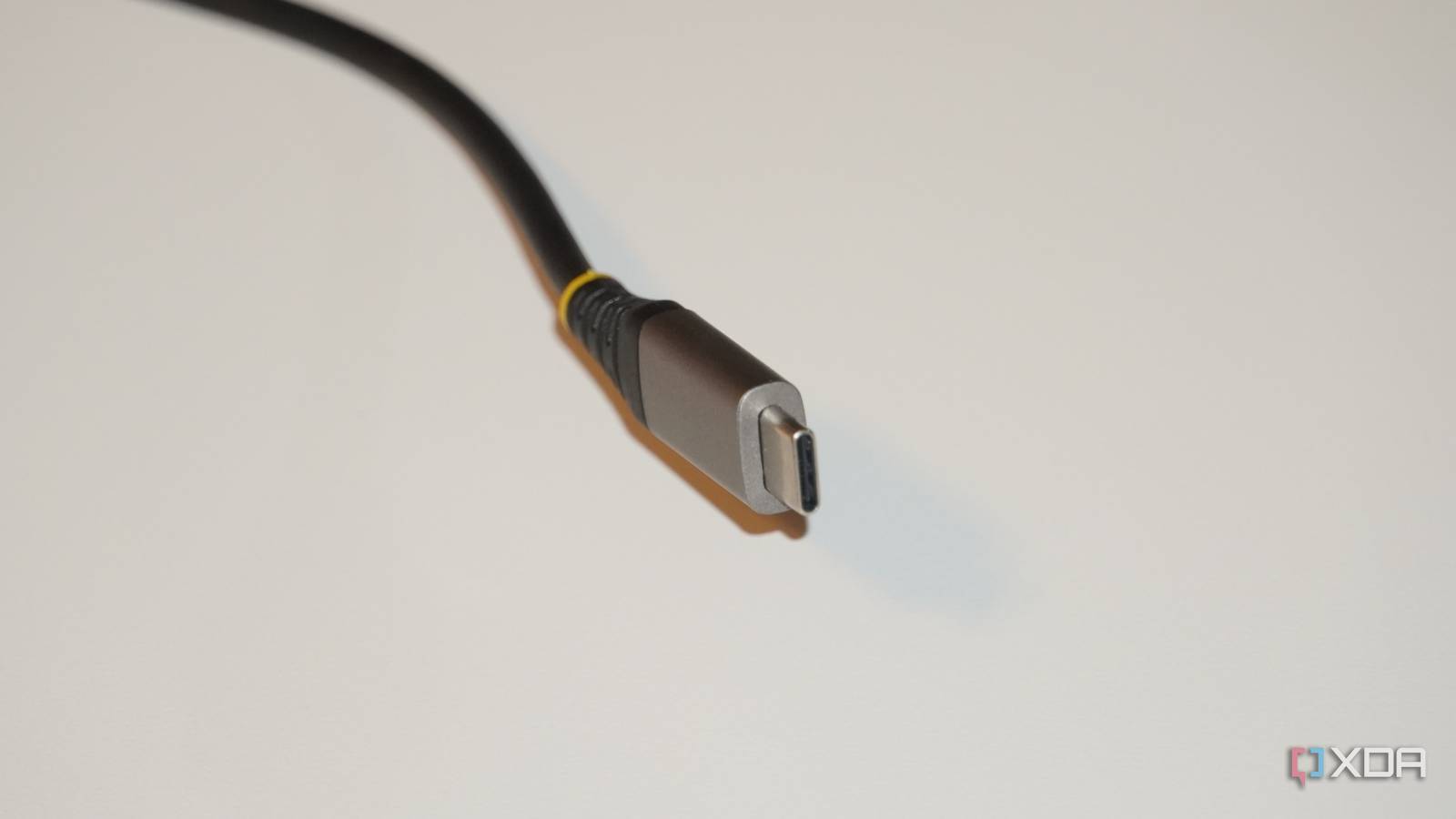
I did read the article. This was a branding by the USB-IF for previous generation meant to be an example of the lunacy that is this group. Meant for engineers or not it was still dumb. The new standards are no better with passives vs active, asymmetric transmissions, etc. and then on top of all this is the thunderbolt designations that I’m still not sure what they all mean with respect to the USB standards.
Just last week I was trying to hook two Mac studios together using the new RDMA features in 26.4 and had to special order cables because none of the ones I had worked (well they “worked” … just not as fast as they should have)
Edit: Most end users don’t care. If they plug in a cable and it “works” that’s good enough. Only nerds like us care if it’s as fast as it can go.