

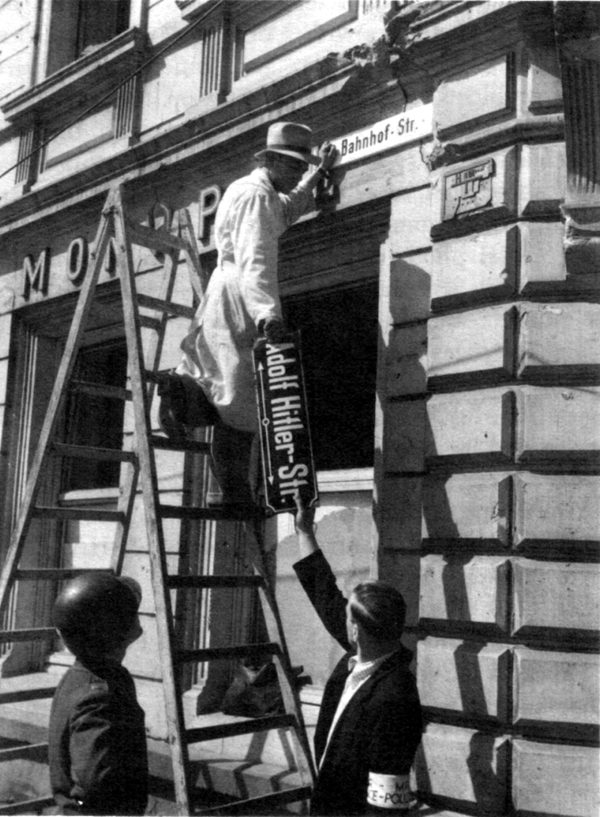
Very soon after the program started, due to the emergence of the Cold War, the western powers and the United States in particular began to lose interest in the program, somewhat mirroring the Reverse Course in American-occupied Japan. Denazification was carried out in an increasingly lenient and lukewarm way until being officially abolished in 1951. The American government soon came to view the program as ineffective and counterproductive. Additionally, the program was highly unpopular in West Germany, where many Nazis maintained positions of power. Denazification was opposed by the new West German government of Konrad Adenauer, who declared that ending the process was necessary for West German rearmament.
I recently read the book aftermath from Harald Jähner. In the last chapter he argues that this sort of “clemency” for the nazis was necessary to recreate the German society. After the war there were still 6 million Nazis, and one way or another these had to be integrated in society. That way was to start with a new beginning for everyone. According to the author it was mainly the children of that generation that did wanted to deal with the crimes and horrors of their parents past. Years later, in the 60s and 70s.
Link: https://app.thestorygraph.com/books/ce8bc276-180b-4c3c-9d79-9585178fd2b1
Pure, unadulterated copium. Sorry. There is no excuse. I’d say that denazification efforts were abandoned because the Western powers were themselves fascist. Look at our society now.
Think of all the jobs that would have been provided by building prisons to house those 6 million Nazis and give them therapy until the antifascist psychologists declare them safe to return to society?