

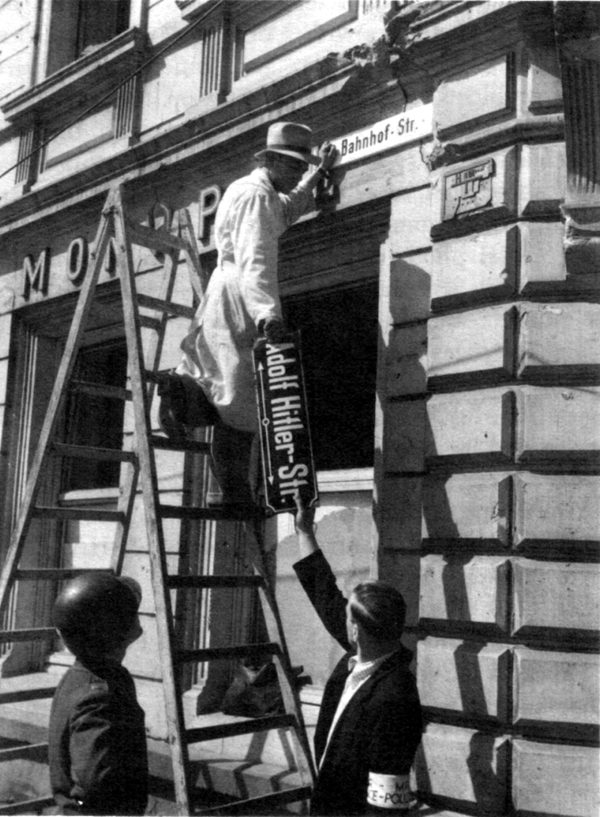
Very soon after the program started, due to the emergence of the Cold War, the western powers and the United States in particular began to lose interest in the program, somewhat mirroring the Reverse Course in American-occupied Japan. Denazification was carried out in an increasingly lenient and lukewarm way until being officially abolished in 1951. The American government soon came to view the program as ineffective and counterproductive. Additionally, the program was highly unpopular in West Germany, where many Nazis maintained positions of power. Denazification was opposed by the new West German government of Konrad Adenauer, who declared that ending the process was necessary for West German rearmament.
You realize I’m not a tankie, right? I don’t care to defend the USSR or East Germany in any way.
Gotta hand it to them, though, sometimes they do call balls and strikes.
While I’m sure there absolutely was popular opposition to the increased work quotas, I can believe that this might have some truth to it, too. There’s absolutely shitloads of evidence that Western powers love to turn civil unrest into uprisings and attempted coups in socialist and anti-imperialist countries.
What materialist analysis does to a MF