There’s definitely a difference between properly made and shielded cables and the cheapo ones that can be unshielded. However once you meet certain standards like using the correct impedance coax there’s basically no improvement from making the cables “better”.
I’ve noticed that the few “Amazon basics” products I’ve tried were surprisingly good quality, they’re probably just about at the right specification.
the difference between a $5 bottle and a $20 is perceptible. but, the higher you go, the returns diminish exponentially unless you have a specific taste… and at some point paying the excessive amount of money becomes status not necessity.
yes, potatoes are conductive, but they don’t have any shielding and the distance the signal travels in those experiments is irrelevant to practical applications. it is essentially a big wire nut.
if your application is long distances through conduit or many cables run in parallel you need higher quality ones with shielding. Granted, that is not the typical listener’s case.
Wow I hadn’t heard of this, but at least the article shows that they were fixing some of this stuff back in 2015. Hopefully by now those bugs have been ironed out. Very interesting, thank you
In this case scientific equipment determined no discernible difference in audio quality, though. I do actually believe in paying for nicer cables but up to a point and that’s really mostly about build quality. $4000 for an RCA cable is just insanity.
To be fair, the build quality is really what you’d be paying for with a nicer cable, though with an RCA cable that just stays plugged into your audio system all the time I guess that doesn’t matter as much. I buy nice silicone USB charging cables for my phone because they’ll last longer and are nicer to use, though the ones I like cost $12-$20, so not exactly $4k lol.
Not when there’s load (like for speaker cables). Turns out shielding only matters for signal cables (which means analog ones unless your digital cable gets so long that it would have real signal loss)


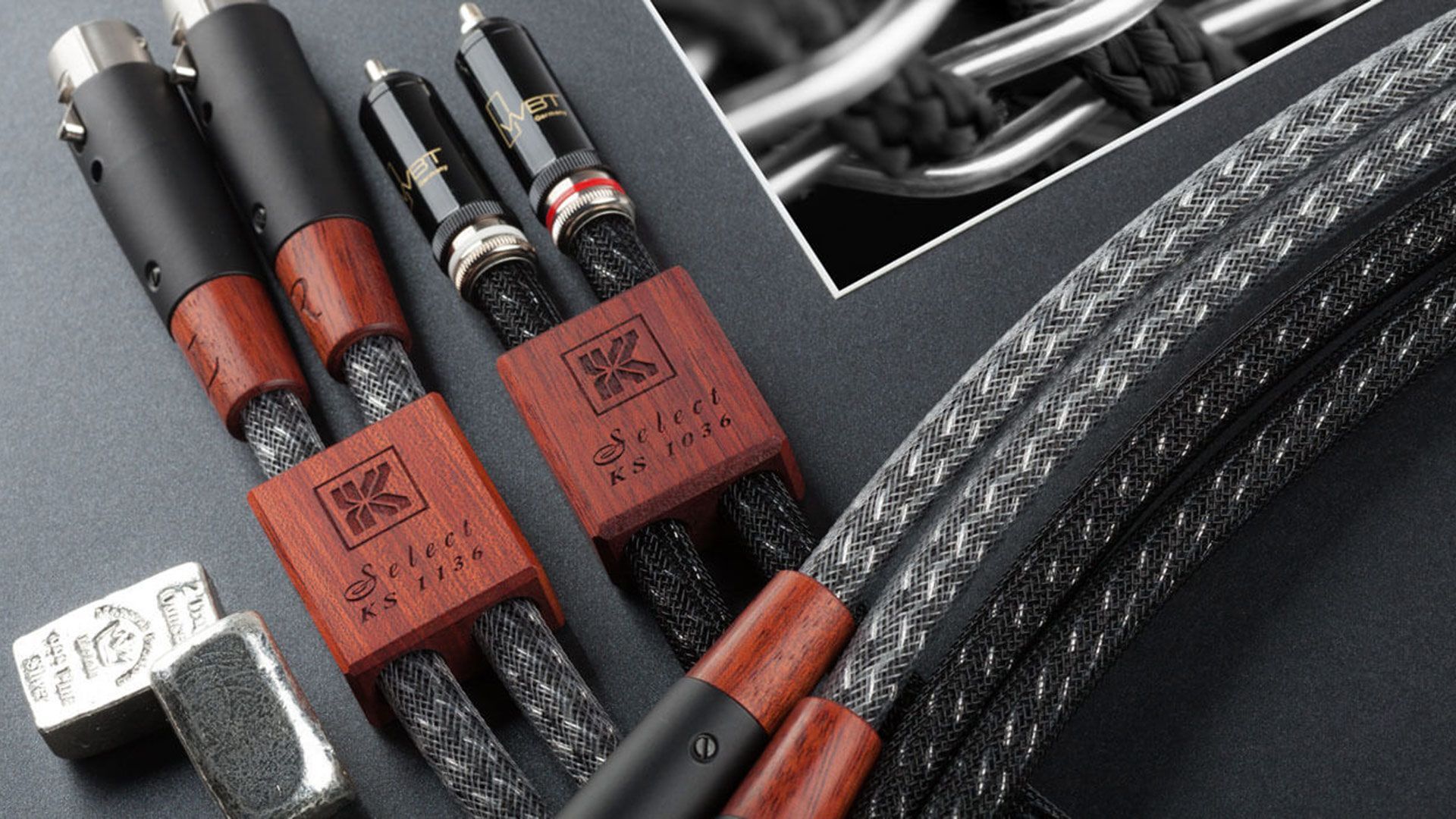
There’s definitely a difference between properly made and shielded cables and the cheapo ones that can be unshielded. However once you meet certain standards like using the correct impedance coax there’s basically no improvement from making the cables “better”.
I’ve noticed that the few “Amazon basics” products I’ve tried were surprisingly good quality, they’re probably just about at the right specification.
the analogy I always draw is to wine.
the difference between a $5 bottle and a $20 is perceptible. but, the higher you go, the returns diminish exponentially unless you have a specific taste… and at some point paying the excessive amount of money becomes status not necessity.
yes, potatoes are conductive, but they don’t have any shielding and the distance the signal travels in those experiments is irrelevant to practical applications. it is essentially a big wire nut.
if your application is long distances through conduit or many cables run in parallel you need higher quality ones with shielding. Granted, that is not the typical listener’s case.
With wine, the price literally affects how we perceive the taste of the wine. https://www.gsb.stanford.edu/insights/baba-shiv-how-wines-price-tag-affect-its-taste
Although this research came out before the fMRI debacle…
What fMRI debacle?
I remembered hearing about it. Turns out there was this published in 2016 which I’m pretty sure was the issue I heard about. https://www.vice.com/en/article/fmri-scanner-study-flawed-pnas-anders-eklund/
As to whether anything more came of this I’m not sure.
Wow I hadn’t heard of this, but at least the article shows that they were fixing some of this stuff back in 2015. Hopefully by now those bugs have been ironed out. Very interesting, thank you
I used to work in the brewing industry. Beer is 99% marketing, and people are morons. This is accurate:
In this case scientific equipment determined no discernible difference in audio quality, though. I do actually believe in paying for nicer cables but up to a point and that’s really mostly about build quality. $4000 for an RCA cable is just insanity.
Apparently that point only needs to be $7.
To be fair, the build quality is really what you’d be paying for with a nicer cable, though with an RCA cable that just stays plugged into your audio system all the time I guess that doesn’t matter as much. I buy nice silicone USB charging cables for my phone because they’ll last longer and are nicer to use, though the ones I like cost $12-$20, so not exactly $4k lol.
Not when there’s load (like for speaker cables). Turns out shielding only matters for signal cables (which means analog ones unless your digital cable gets so long that it would have real signal loss)
https://www.tomshardware.com/speakers/in-a-blind-test-audiophiles-couldnt-tell-the-difference-between-audio-signals-sent-through-copper-wire-a-banana-or-wet-mud-the-mud-should-sound-perfectly-awful-but-it-doesnt-notes-the-experiment-creator