

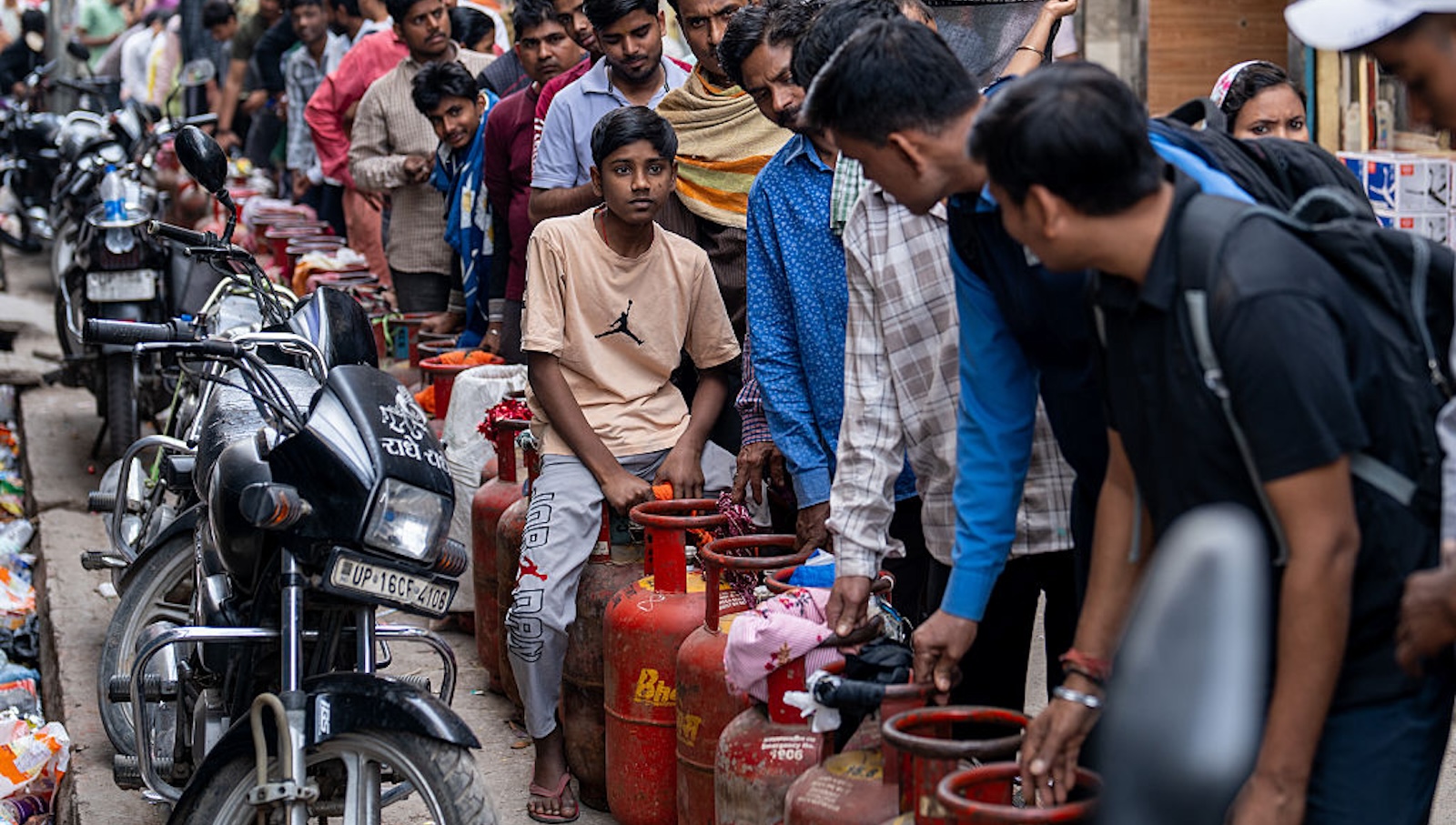
Economists predict that other nations with thinner margins that rely on LPG imports through the Persian Gulf could see similar cooking gas shortage patterns in the near future — among those in Asia are Thailand, Sri Lanka, Pakistan, the Philippines, and Indonesia. Countries with relatively strong economic growth and ongoing industrialization, such as Vietnam, Japan, South Korea, and Taiwan, are also likely to face significant access challenges. These countries don’t depend on the Middle East for fuel to prepare food, but they do depend on the region for a stable energy supply, which, when disrupted, can show up in escalating grocery costs.
But that’s just the near-term picture. If the Strait’s closure persists well into the rest of the year, Chris Barrett, an agricultural and development economist at Cornell, warns we could see it exacerbate the food accessibility crisis across multiple African nations, too. Those that are heavily reliant on LPG and food imports and already among the most food-insecure — such as Senegal, Zimbabwe, Malawi, Côte d’Ivoire, Zambia, and Mozambique — are highly vulnerable. Others, such as Nigeria, Ghana, and Tanzania, have been shifting to domestic production of LPG, which offers some buffer, but because of fertilizer shortfalls and rising food prices, no part of the continent is insulated. Global food commodity prices rose in March for the second month in a row, due largely to energy inflation from the U.S.-Israel war with Iran, according to the Food and Agriculture Organization of the United Nations, or FAO. If the conflict stretches beyond 40 days and high input costs persist, pronounced effects on global food supply and commodity costs are expected through the rest of the year and all of 2027.
Maybe it’s time to move to renewables?
Just a thought.