I mean, that is the situation stated? Unless you mean “You are forbidden from engaging in abolitionism ever again”, which is generally not what people object to when they decry ‘reform’, which rarely, if ever, comes with such terms in the contexts it’s discussed in on here.
Choices should be made fundamentally on two issues: reduction of suffering, and improvement of strategic positioning. If it does both, it is morally necessary to take it. If it helps one goal, but does not harm the other goal, it is morally necessary to take it. If it helps one goal, but harms the other goal, you must make your own estimation of the relative value of each.
Freeing 500 slaves reduces suffering. Ceteris paribus, it also improves strategic positioning. If an argument can be made that, in context, it degrades strategic positioning, then the choice becomes more ambiguous, but the emphasis here is on ‘degrades’, not simply ‘does not improve’. But you’d better be ready with a damn good argument for keeping 500 people in chains on strategic grounds when you could very well free them, and not just a general feeling of ‘All or nothing’.
That’s true, the hypothetical I posed isn’t remotely analogous to the perfection vs harm reduction debate. I have a tendency to fixate on questions I find interesting regardless of how realistic or practical they are.


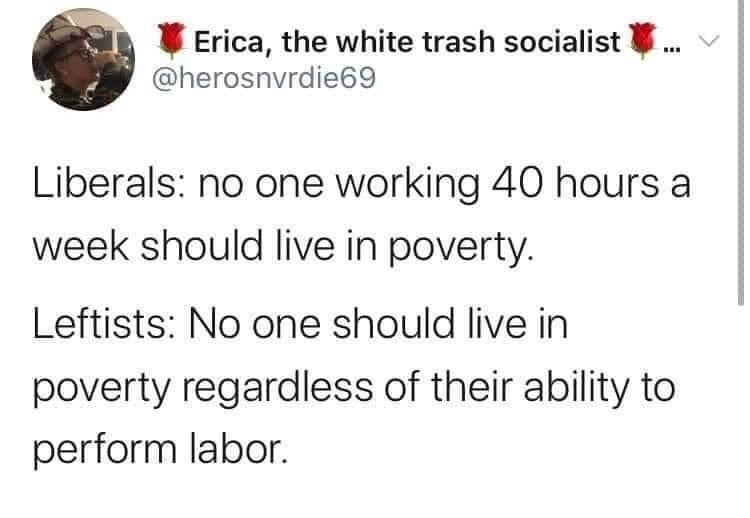
Accepting freeing 500 doesn’t mean stopping the fight to free the other 500.
Should the Union during the US Civil War have refused to free any slaves until it could guarantee all slaves would be free?
I think the proposed situation is that the slavers will agree to free 500 slaves if you let them keep the other 500. Would you take the deal?
I mean, that is the situation stated? Unless you mean “You are forbidden from engaging in abolitionism ever again”, which is generally not what people object to when they decry ‘reform’, which rarely, if ever, comes with such terms in the contexts it’s discussed in on here.
Choices should be made fundamentally on two issues: reduction of suffering, and improvement of strategic positioning. If it does both, it is morally necessary to take it. If it helps one goal, but does not harm the other goal, it is morally necessary to take it. If it helps one goal, but harms the other goal, you must make your own estimation of the relative value of each.
Freeing 500 slaves reduces suffering. Ceteris paribus, it also improves strategic positioning. If an argument can be made that, in context, it degrades strategic positioning, then the choice becomes more ambiguous, but the emphasis here is on ‘degrades’, not simply ‘does not improve’. But you’d better be ready with a damn good argument for keeping 500 people in chains on strategic grounds when you could very well free them, and not just a general feeling of ‘All or nothing’.
That’s true, the hypothetical I posed isn’t remotely analogous to the perfection vs harm reduction debate. I have a tendency to fixate on questions I find interesting regardless of how realistic or practical they are.
No worries, I understand that completely, I often do the same thing!