We already have better farming technology. People prefer to grow gardens in their back yard with compost made from their coffee grounds instead. Iirc, John Green calculated that - even excluding the cost of his own labor - one tomato that he grew in his garden cost him $18.
There are certainly a lot of problems with modern agriculture. But food is far cheaper than it has been for pretty much all of human history, when the collection and preparation of food took up the vast majority of most people’s time.
I think that’s a disingenious estimate to say that food is far cheaper now than it was previously in human history. Before industrialization, growing food did take up a large portion of people’s time but their yearly work hours were much smaller.
As the other commenter said, even if your claim about having more free time is true (I highly doubt it, more likely we simply aren’t counting the various tasks historical peoples had to do which were still “work”, but not their main job, and overcounting the “work” that modern people do when they are actually just scrolling tiktok), as a society we spend far less time making food than we used to. This is obvious by the fact that in the past century, worldwide levels of famine and hunger have dropped lower than they have ever been in recorded history.
What do work hours of people not in the farming industry have to do with the raw costs of food?
The “cost of food” has been abstracted from the “amount people have to pay downstream to afford food” by companies’ desire for profit. One guy can manage acres of land with a few good machines. Food is cheap: that is why people can afford to ship it around the world to be processed in one country and then sold across the ocean in another country. We don’t have to work as many hours as we do to sustain ourselves to the level they did back then. Industrialists have just countered work efficiency improvements with…more work.


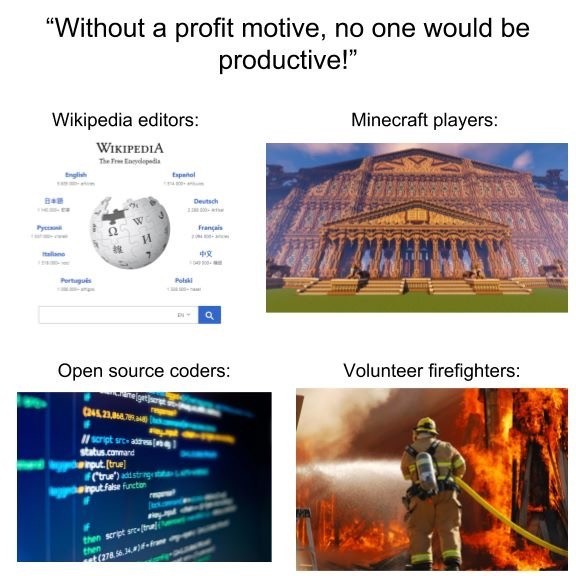
We already have better farming technology. People prefer to grow gardens in their back yard with compost made from their coffee grounds instead. Iirc, John Green calculated that - even excluding the cost of his own labor - one tomato that he grew in his garden cost him $18.
There are certainly a lot of problems with modern agriculture. But food is far cheaper than it has been for pretty much all of human history, when the collection and preparation of food took up the vast majority of most people’s time.
I think that’s a disingenious estimate to say that food is far cheaper now than it was previously in human history. Before industrialization, growing food did take up a large portion of people’s time but their yearly work hours were much smaller.
As the other commenter said, even if your claim about having more free time is true (I highly doubt it, more likely we simply aren’t counting the various tasks historical peoples had to do which were still “work”, but not their main job, and overcounting the “work” that modern people do when they are actually just scrolling tiktok), as a society we spend far less time making food than we used to. This is obvious by the fact that in the past century, worldwide levels of famine and hunger have dropped lower than they have ever been in recorded history.
What do work hours of people not in the farming industry have to do with the raw costs of food?
The “cost of food” has been abstracted from the “amount people have to pay downstream to afford food” by companies’ desire for profit. One guy can manage acres of land with a few good machines. Food is cheap: that is why people can afford to ship it around the world to be processed in one country and then sold across the ocean in another country. We don’t have to work as many hours as we do to sustain ourselves to the level they did back then. Industrialists have just countered work efficiency improvements with…more work.
Yes, exactly. Before industrialisation people worked on average less hours than we do now.
I…what?
In your mind, what happened to the rest of my comment that preceded the literal final line you quoted?