
I do think this guy biome stuff is neat.
Occasionally, I think about “USA the anime” in which we put all of our skill points in petrochemical engineering. Like it’s our hammer and we run around and find nails to hit with it. Like are chemicals the best way to change biology? We apparently haven’t tried whatever this is. We can make cigarettes taste like three course meals though.
Anyway, I’m gonna go grab another cup of coffee. And fantasize about if we’d put all out point into animal handling or herbs or whatever. I don’t know enough to imagine bioms yet.
*Looks up from belly button"
… so good, right?
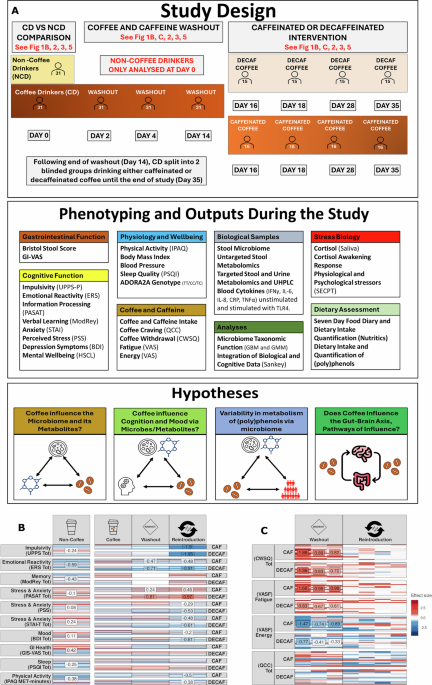
Behaviourally, coffee drinkers exhibited greater impulsivity and emotional reactivity, whereas non-coffee drinkers demonstrated better memory performance.
It’s not looking good for us :(
Wtf. This sounds like a bias towards ADHD symptoms because of all of the ADHD people self-medicating with caffeine via coffee.
I am almost positive this is what this is.
Fuck you!
Cries
shit
It depends.
It should also be noted that, overall, NCD participants appear to benefit from lower impulsivity and emotional reactivity, better cognitive stability, reduced inflammation risk, more stable blood pressure, distinct and potentially healthier gut microbiota and metabolite profiles and avoidance of caffeine withdrawal symptoms. These advantages may stem from the absence of a stimulant such as caffeine, allowing for the preservation of endogenous neurophysiological rhythms and homeostatic regulatory mechanisms, thereby promoting greater stability in cognitive, metabolic, and immunological function.
That said caffeinated coffee reduced anxiety, psychological distress, blood pressure, and improved attention and stress coping, while decaffeinated coffee enhanced sleep, physical activity, and memory. Both types lowered stress, depression, impulsivity, and inflammation, while also boosting mood and cognitive performance. Coffee influenced the gut microbiome, increased beneficial (poly)phenols and metabolites, and provided anti-inflammatory effects, suggesting that coffee, regardless of caffeine content, supports cognitive, psychological, immune, and metabolic health in distinct but complementary ways.
also helps with blood sugar from another study.
thank you! also … bluh.