It is, but the growth is not uniform around the globe. The population growth is inversely correlated with national development, though. That means the population is growing most in places where Internet access is most out of reach, and population growth is actually already negative and accelerating in many nations with widespread Internet access.
Industrialized nations are experiencing significant population decline driven by fertility rates falling below the replacement level of 2.1, caused by increased urbanization, female education, and high costs of living. Over 90 countries face shrinking populations, with major economies like Japan and Italy projected to halve by 2100.


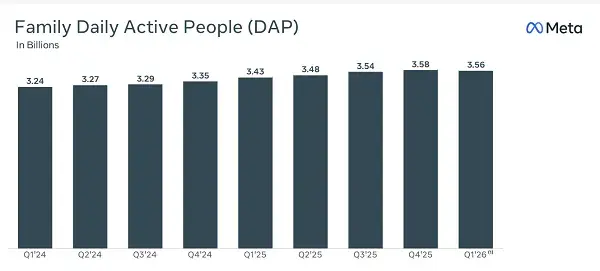
Isn’t the world population still growing?
It is, but the growth is not uniform around the globe. The population growth is inversely correlated with national development, though. That means the population is growing most in places where Internet access is most out of reach, and population growth is actually already negative and accelerating in many nations with widespread Internet access.
Yes, but primarily in countries with little to no internet.
So not “global population decline”?
Industrialized nations are experiencing significant population decline driven by fertility rates falling below the replacement level of 2.1, caused by increased urbanization, female education, and high costs of living. Over 90 countries face shrinking populations, with major economies like Japan and Italy projected to halve by 2100.