I wouldn’t mind them hiring some kind of historian/linguist to train actors to speak in what an ancient Greek accent might have sounded like if they were speaking modern day English.
I don’t remember the name of the movie, but I remember a similar concept with a historical film about the USA’s founding.
We have no idea what ancient Greek sounded like, just as we have no idea how Latin is supposed to be pronounced. We only have written texts of that era, no audio recordings.
Anyone who claims to know what something “might have sounded like” is just making things up.
Not true. We can do a lot of linguistic analysis to get an idea of pronunciation: comparison with descendant and related languages, looking at poetry which carries extra information about pronunciation due to rhyme and metre.
Of course we have some ideas about it, and of course there is a scientific method to generate those ideas. However, it’s still a boat-load of assumptions, things that seem likely, and the best choices out of some very unstraightforward interpretations. Even the article you linked is full of those caveats. It’s an educated guess, and while that’s a lot better than having nothing to go on at all, it’s still a guess.
I was taught both ancient Greek and Latin in school. While we were taught a certain pronunciation, it was immediately made clear that there were other pronunciations out there that were just as valid, and that other people who learned the same languages might pronounce things very differently. The pronunciation we used was seen as plausible at the very least, but we were warned that there was simply no way to be sure. As a result any plausible pronunciation was basically ruled as “correct”.
If you go back to usage in a movie, there’s certainly a method to use it in an internally consistent way. Pick one of the most-used pronunciations currently taught in schools, or just go with a modern Greek pronunciation (the alphabet is still largely the same) and make sure that everyone in the movie uses that pronunciation. But there’s no way to be sure that that is historically correct in any way.
Either we’re using different words to describe the same thing, or you’re downplaying the utility of linguistic techniques for producing a realistic work of fiction, and at this point I don’t care to work out which. See ya.
That’s not true at all. We may not be 100% accurate, but there is lots of evidence of how Latin or ancient Greek may have been pronounced. The most obvious example is comparison to languages descended from them like Italian and modern Greek.

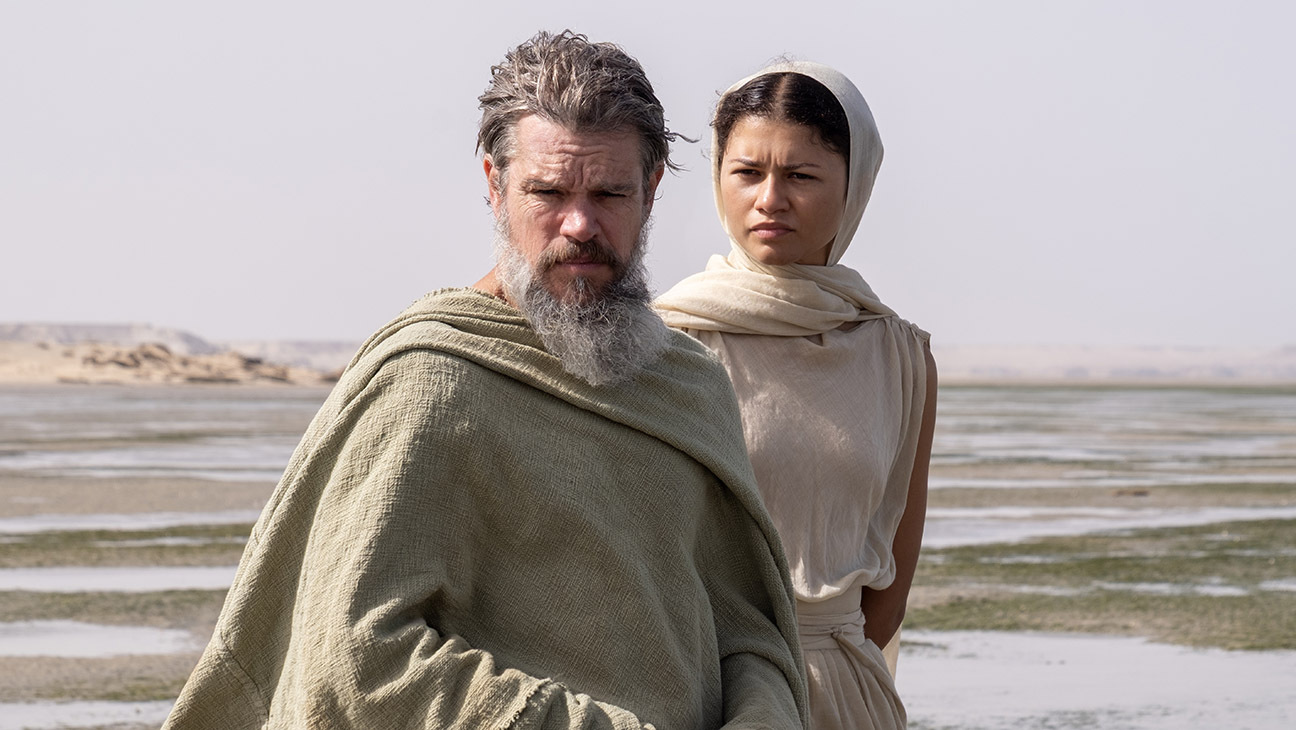
I wouldn’t mind them hiring some kind of historian/linguist to train actors to speak in what an ancient Greek accent might have sounded like if they were speaking modern day English.
I don’t remember the name of the movie, but I remember a similar concept with a historical film about the USA’s founding.
We have no idea what ancient Greek sounded like, just as we have no idea how Latin is supposed to be pronounced. We only have written texts of that era, no audio recordings.
Anyone who claims to know what something “might have sounded like” is just making things up.
Not true. We can do a lot of linguistic analysis to get an idea of pronunciation: comparison with descendant and related languages, looking at poetry which carries extra information about pronunciation due to rhyme and metre.
That works when you go a few centuries back, but we’re talking millennia here.
Wikipedia has a survey on the topic.
The further back you go, the less certain you can be, but the techniques are still applicable.
Of course we have some ideas about it, and of course there is a scientific method to generate those ideas. However, it’s still a boat-load of assumptions, things that seem likely, and the best choices out of some very unstraightforward interpretations. Even the article you linked is full of those caveats. It’s an educated guess, and while that’s a lot better than having nothing to go on at all, it’s still a guess.
I was taught both ancient Greek and Latin in school. While we were taught a certain pronunciation, it was immediately made clear that there were other pronunciations out there that were just as valid, and that other people who learned the same languages might pronounce things very differently. The pronunciation we used was seen as plausible at the very least, but we were warned that there was simply no way to be sure. As a result any plausible pronunciation was basically ruled as “correct”.
If you go back to usage in a movie, there’s certainly a method to use it in an internally consistent way. Pick one of the most-used pronunciations currently taught in schools, or just go with a modern Greek pronunciation (the alphabet is still largely the same) and make sure that everyone in the movie uses that pronunciation. But there’s no way to be sure that that is historically correct in any way.
Well, you’ve gone from “we have no idea” to “we have some ideas” so I think my aim is achieved :)
Cheers.
Ideas are not knowledge. My central point was that we don’t know.
Either we’re using different words to describe the same thing, or you’re downplaying the utility of linguistic techniques for producing a realistic work of fiction, and at this point I don’t care to work out which. See ya.
That’s not true at all. We may not be 100% accurate, but there is lots of evidence of how Latin or ancient Greek may have been pronounced. The most obvious example is comparison to languages descended from them like Italian and modern Greek.