

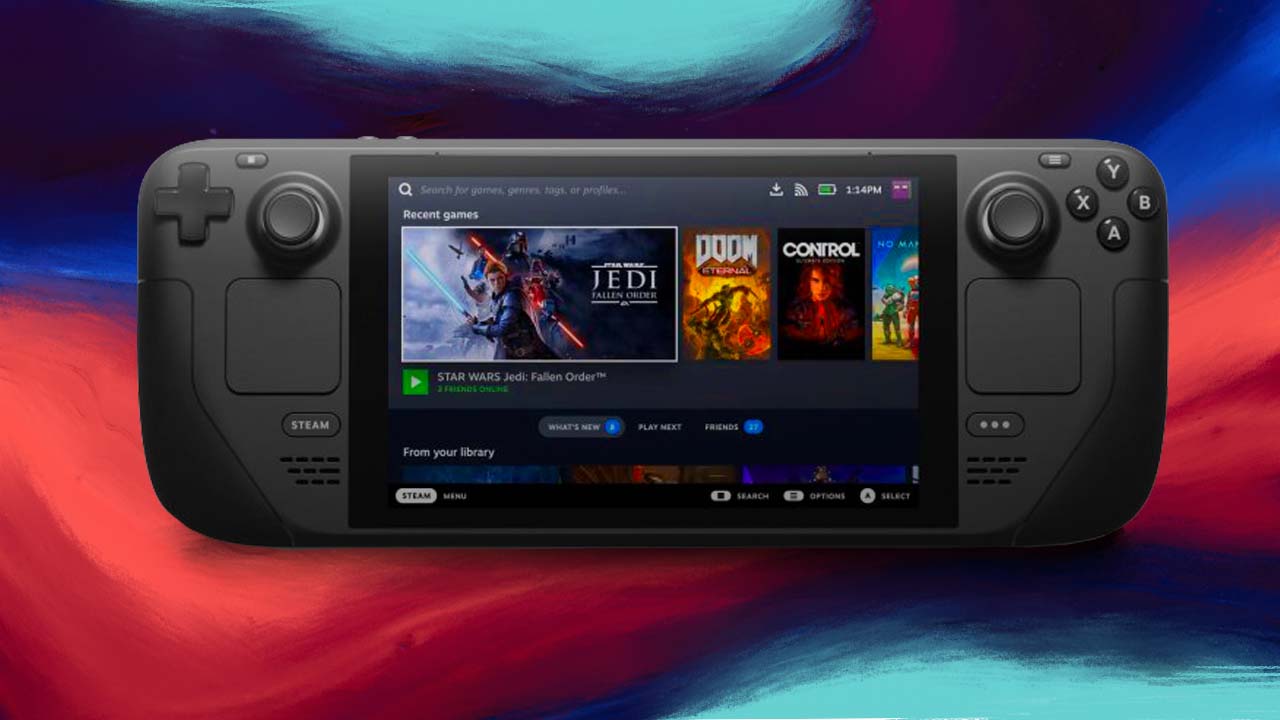
Valve recently raised the price on the Steam Deck, making the handheld gaming PC cost up to $949 for the 1TB OLED model. While that’s a massive $300 increase over its original price, the Steam Deck is once again sold out.
Valve recently raised the price on the Steam Deck, making the handheld gaming PC cost up to $949 for the 1TB OLED model. While that’s a massive $300 increase over its original price, the Steam Deck is once again sold out.
I posit it’s a consumer culture issue.
Look at Temo, Tiktok, Amazon, YouTube; people are bombarded with “buy this on impulse!” every day, 24/7, through notifications. They’re urged to buy high by dozens of influencers they’re bombarded with.
So they do.
And now that’s the culture. Competition isn’t going to fix that, and doesn’t naturally arise in that kind of environment anyway.
deleted by creator
It got so shallow, though.
A long time ago, homesteading was the American dream. “Buy your own property, buy stuff for it, build your own life,” and that ethos extended to industrialization, post WWII (with the suburban boom), and even the 80s/90s.
I feel like that slowly broke with the rise of social media.
The “American urge” went from home/lifebuilding to encouraging short term, FOMO thinking. “Who cares about the future, look at this beatuful person, they’re using this thing and you need it NOW!” is what basically all modern ads say. Though there are some oldschool holdouts like Berkshire Hathaway, most big buisnesses seem to have adopted that mindset for their own decisions, too.
deleted by creator