Yeah especially if you have a titchy laptop with 256GB SSD and 32GB RAM… that’s a huge relative percentage of storage wasted on a hiberfil.
I use Linux now, but when I did use Windows, I always turned off hibernate. It had it’s time in WinXP or 95 era, when hard drives took so long to spin up that you could leave and make a whole coffee and it would almost be done by the time you get back. We don’t need it anymore!


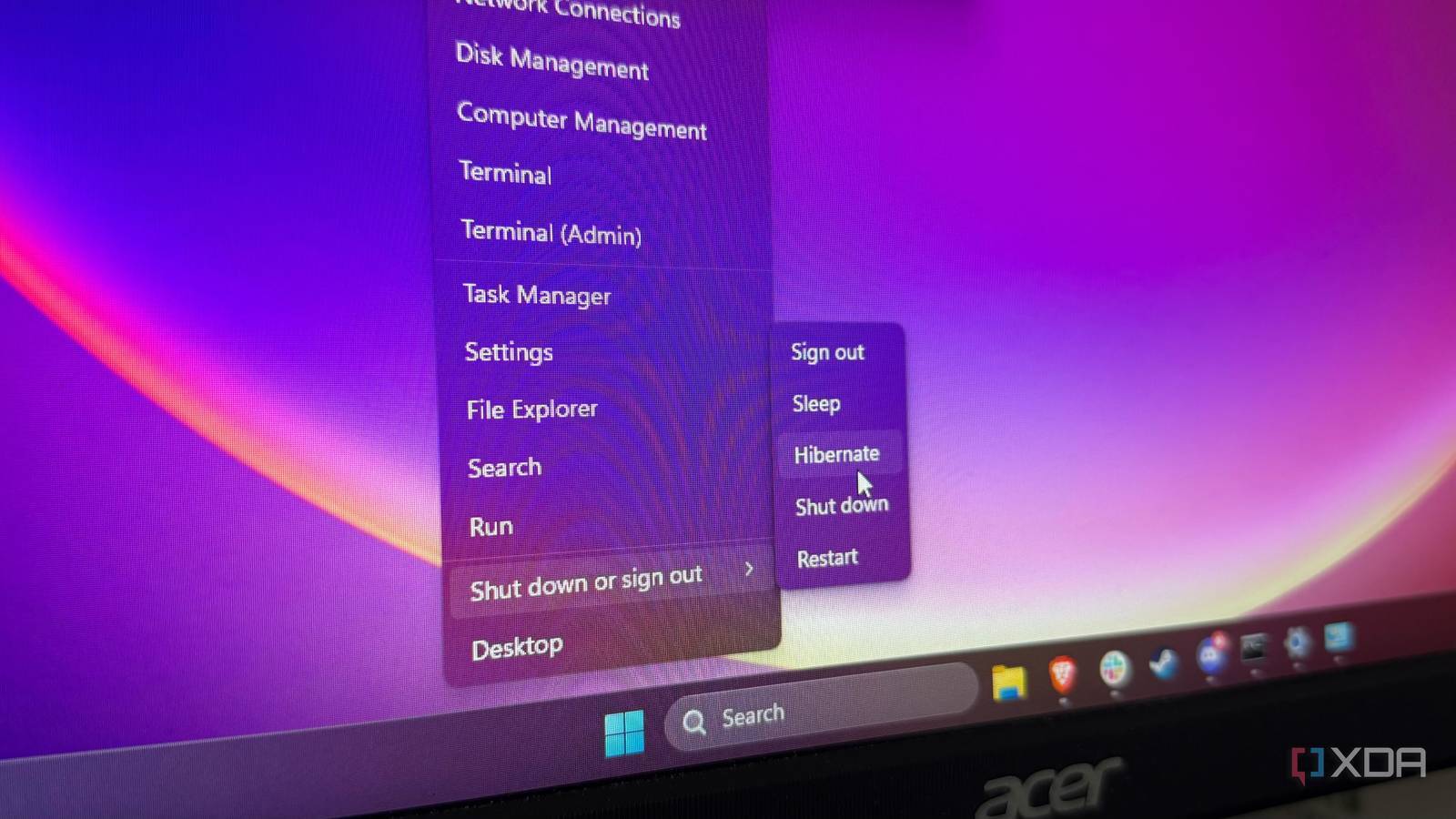
Hibernation technically does this to any SSD. It’s not just Windows 11.
Writing the entire contents of RAM to disk increases the wear on the SSD. The risk goes up if your SSD is nearly full and wear-levelling has to move more data around: https://en.wikipedia.org/wiki/Write_amplification#Wear_leveling
Yeah especially if you have a titchy laptop with 256GB SSD and 32GB RAM… that’s a huge relative percentage of storage wasted on a hiberfil.
I use Linux now, but when I did use Windows, I always turned off hibernate. It had it’s time in WinXP or 95 era, when hard drives took so long to spin up that you could leave and make a whole coffee and it would almost be done by the time you get back. We don’t need it anymore!