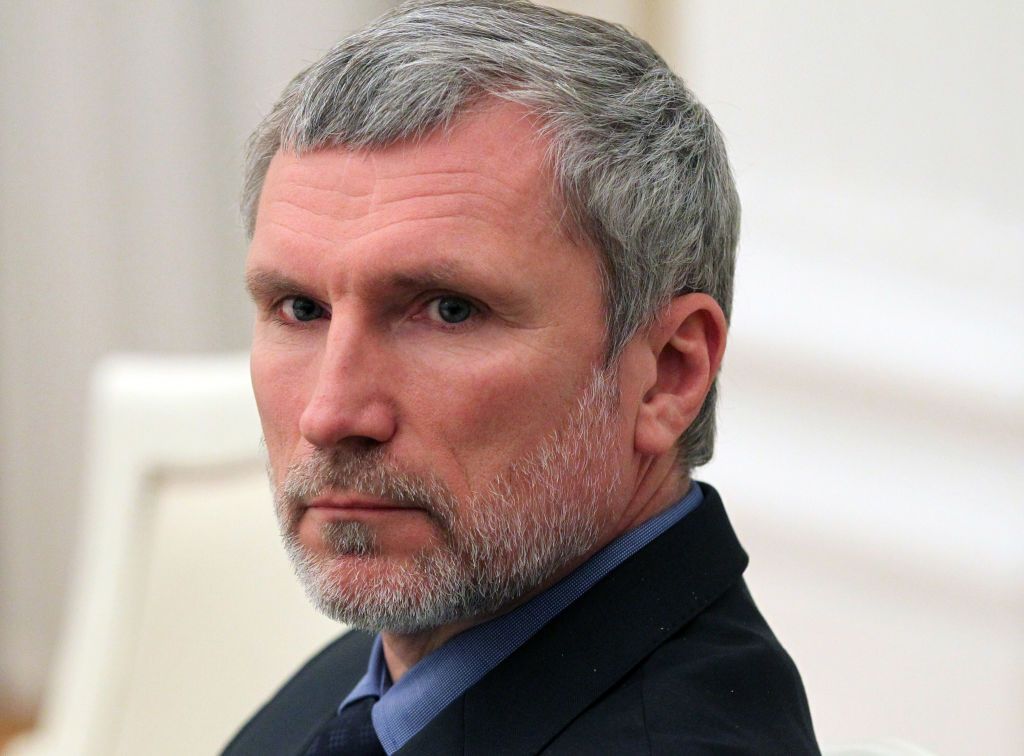
Aleksey Zhuravlyov, first deputy chair of Russian State Duma Defense Committee, said Moscow would strengthen its military presence along the border with Finland and could easily destroy half the count...
Both the USSR and Finland figured the fight would be between the great powers and the USSR. The USSR wanted Finland to be neutral to close off that route of invasion, and Finland wanted to be neutral and sit out any war.
Under the treaty, which was signed on 6 April 1948, the Soviets sought to deter Western or Allied Powers from attacking the Soviet Union through Finnish territory,
Under the pact, Finland was obliged to resist armed attacks by “Germany or its allies” (in reality interpreted as “the United States and allies”)[citation needed] against Finland, or against the Soviet Union through Finland. If necessary, Finland was to ask for Soviet military aid to do so.
The agreement also recognized Finland’s desire to remain outside great-power conflicts, allowing the country to adopt a policy of neutrality in the Cold War.
Finland followed the Eastern Bloc countries’ decision and did not participate in the Marshall Plan.
But that doesn’t hold in today’s world where Russia is little more that a terrorist country that wants bits of land, so they joined NATO.


Both the USSR and Finland figured the fight would be between the great powers and the USSR. The USSR wanted Finland to be neutral to close off that route of invasion, and Finland wanted to be neutral and sit out any war.
https://en.wikipedia.org/wiki/Finno-Soviet_Treaty_of_1948
But that doesn’t hold in today’s world where Russia is little more that a terrorist country that wants bits of land, so they joined NATO.
Air power / missile technology is way beyond what it was in 1948, too. Attacking “from Finland” might be convenient, but it is not at all necessary.
Neutral countries usually means a no fly zone, and that probably goes for low flying missiles too.