The VAST majority of gamers don’t identify as “gamers”. They don’t read gaming media, they don’t engage in online discourse about video games, and they don’t give two shits about any of this sensationalist nothing burger fear mongering.
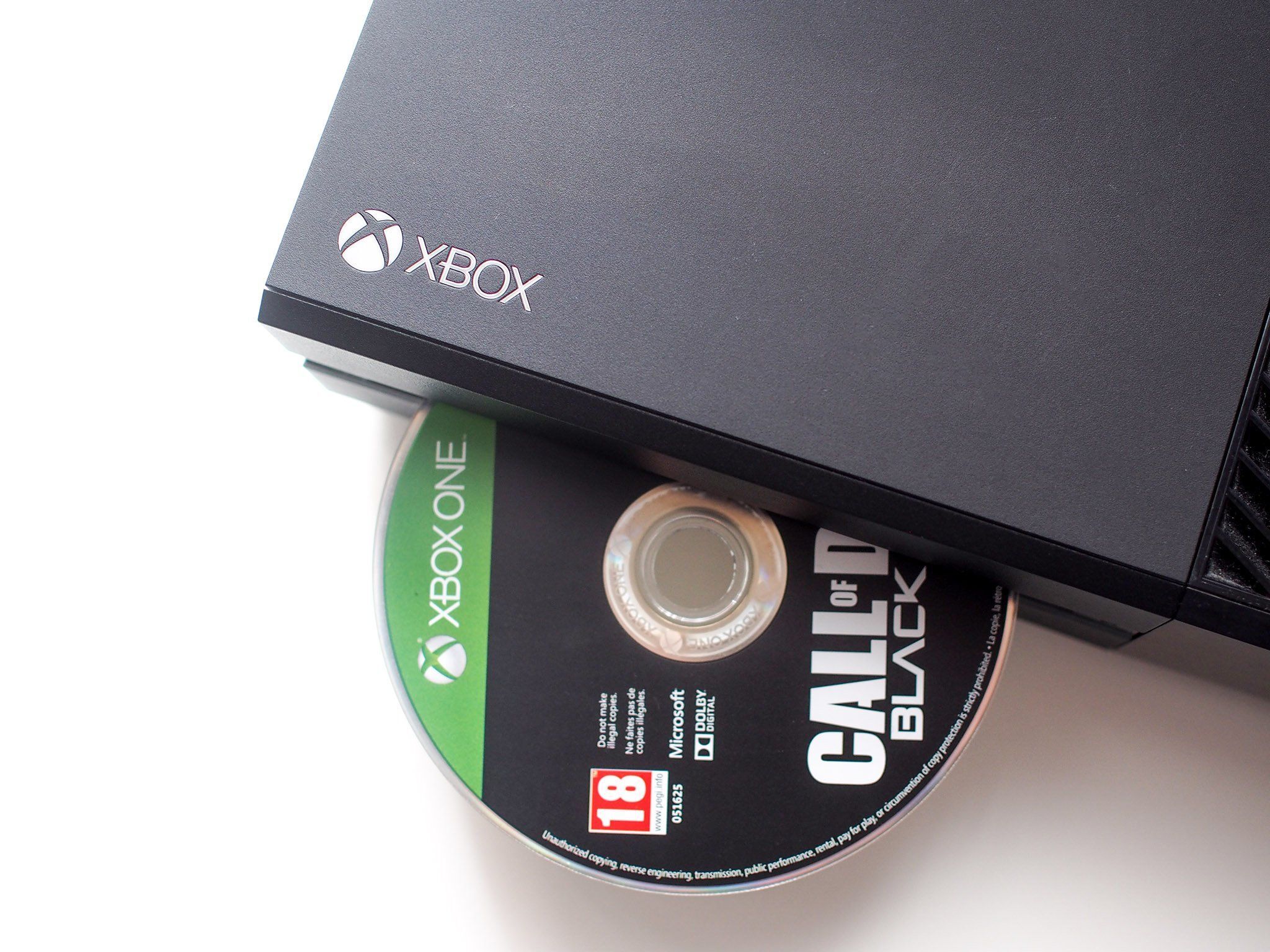
If YOU are a “concerned gamer”; physical media is dead. Acknowledge that you are an INFINITESIMALLY MINISCULE minority and get over it, or find a new hobby.
A couple thousand chronically online whiners don’t get to decide the future of the industry.
It’s important to remember, there’s no point in fighting against a worse future. Especially if you are in the minority, since you’ll lose anyway. Resign yourself to things getting objectively worse because nobody likes a whiner.
The commitment to physical media has crossed the line from nostalgia into change resistance, driven by manufactured conspiracies. This transition is in the best interest of the majority of gamers; the vocal minority is just out of touch with how the broader community actually consumes that media.
For millennia, non-static art (song, theater, performance, and oral storytelling) existed purely in ephemeral mediums without physical storage. The concept of “owning” a physical piece of interactive software is a historical anomaly that has existed for barely forty years.
Economically and technologically, video games are the cheapest and most accessible they have ever been. Simultaneously, the depth, breadth, and quality of content are light-years ahead of what was imaginable in the 80s. We are living through the golden age of the medium, yet critics are lamenting the hypothetical loss of the 99% of games they were never going to replay in ten years anyway.
Like it or not, software IS fundamentally a service now. A modern video game is not a static painting or a collectible display piece like a Funko Pop to put on your shelf; it’s a dynamic, adaptive, and interactive ecosystem shaped by ongoing player data and developer iteration. Holding a plastic disc hostage provides no value when that disc only contains an unpatched, broken, Day 0 build of the game at its literal worst.
The romanticization of physical games is no different than audiophiles insisting that vinyl is the only “pure” way to experience music. It is an aesthetic preference masquerading as a consumer rights crusade.
I don’t think that’s entirely true. I know I’m in the minority, but there are legit reasons to resist recent changes with video game hardware, like how manufacturers have made it so they can brick people’s consoles remotely.
Can’t remotely brick my PC.
I do agree that some people are over-wrought about it, but pretending that all of their concerns are unfounded is itself a tad silly too.
First off, your PC can 100% be bricked remotely, go read up on Stuxnet…
The problem is the assumption that there is nefarious intent behind this move.
Sony and Microsoft tried to give us digital entitlement resale AND friend loaning with Xbox One and PS4 and a whiny minority of “core gamers” kicked up such a fuss during E3 2013 that Microsofts stock tanked and both of them backpedalled… It was senseless then, and it’s even more senseless now.


The VAST majority of gamers don’t identify as “gamers”. They don’t read gaming media, they don’t engage in online discourse about video games, and they don’t give two shits about any of this sensationalist nothing burger fear mongering.
If YOU are a “concerned gamer”; physical media is dead. Acknowledge that you are an INFINITESIMALLY MINISCULE minority and get over it, or find a new hobby.
A couple thousand chronically online whiners don’t get to decide the future of the industry.
It’s important to remember, there’s no point in fighting against a worse future. Especially if you are in the minority, since you’ll lose anyway. Resign yourself to things getting objectively worse because nobody likes a whiner.
The commitment to physical media has crossed the line from nostalgia into change resistance, driven by manufactured conspiracies. This transition is in the best interest of the majority of gamers; the vocal minority is just out of touch with how the broader community actually consumes that media.
For millennia, non-static art (song, theater, performance, and oral storytelling) existed purely in ephemeral mediums without physical storage. The concept of “owning” a physical piece of interactive software is a historical anomaly that has existed for barely forty years.
Economically and technologically, video games are the cheapest and most accessible they have ever been. Simultaneously, the depth, breadth, and quality of content are light-years ahead of what was imaginable in the 80s. We are living through the golden age of the medium, yet critics are lamenting the hypothetical loss of the 99% of games they were never going to replay in ten years anyway.
Like it or not, software IS fundamentally a service now. A modern video game is not a static painting or a collectible display piece like a Funko Pop to put on your shelf; it’s a dynamic, adaptive, and interactive ecosystem shaped by ongoing player data and developer iteration. Holding a plastic disc hostage provides no value when that disc only contains an unpatched, broken, Day 0 build of the game at its literal worst.
The romanticization of physical games is no different than audiophiles insisting that vinyl is the only “pure” way to experience music. It is an aesthetic preference masquerading as a consumer rights crusade.
I don’t think that’s entirely true. I know I’m in the minority, but there are legit reasons to resist recent changes with video game hardware, like how manufacturers have made it so they can brick people’s consoles remotely.
Can’t remotely brick my PC.
I do agree that some people are over-wrought about it, but pretending that all of their concerns are unfounded is itself a tad silly too.
First off, your PC can 100% be bricked remotely, go read up on Stuxnet…
The problem is the assumption that there is nefarious intent behind this move.
Sony and Microsoft tried to give us digital entitlement resale AND friend loaning with Xbox One and PS4 and a whiny minority of “core gamers” kicked up such a fuss during E3 2013 that Microsofts stock tanked and both of them backpedalled… It was senseless then, and it’s even more senseless now.