
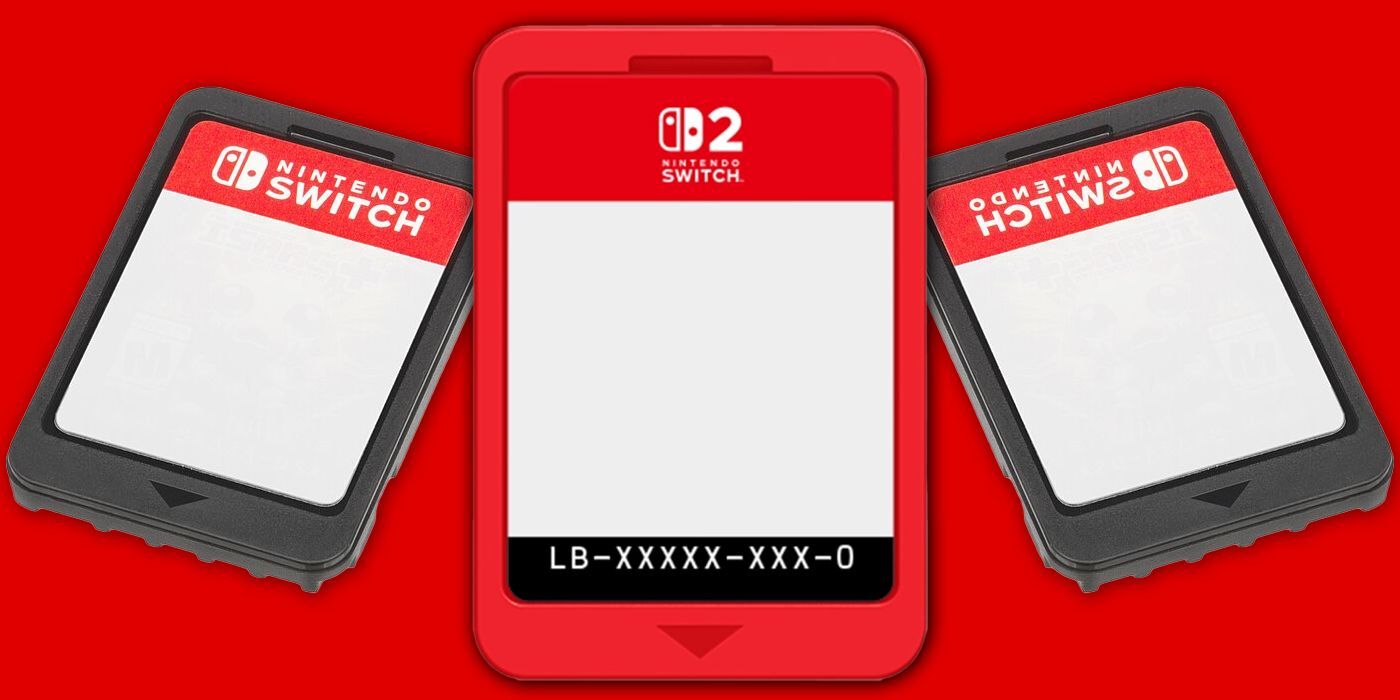
As PlayStation and Xbox move toward a more digital future, Nintendo could become the last major platform where physical games still truly matter.
As PlayStation and Xbox move toward a more digital future, Nintendo could become the last major platform where physical games still truly matter.
For now. The problem is the mechanism exists to pull it back without your consent. If the download isn’t hosted anymore, or they start binding keycodes to accounts, you’re SOL.
Don’t build in the mechanism at all. Give us the full drm free files on physical media. The community will do the rest because we can’t trust corporations to preserve their history or respect their devs time and efforts when they could sell it to you again after they pull it from your library or remove the download hosts/store servers.
Yeah, but many modern games only work after a day 1 patch anyway, so what’s on the disc won’t count for much. Not to mention you still need a working console, and those stop being sold long before digital storefronts are closed.
I don’t think DRM free is realistic either, piracy is just too big of a problem on the release of a new game. Eventually the cracks will arrive, but that window before is important for making a profit. Most consumers are as amoral as corporations. They don’t care about who makes what they are using, nor do they care about the ethics behind where they got it from.
I disagree with the last points. If true, indie games would make next to nothing, but that hasn’t been the case. In most cases, those of us who choose to pirate, it’s often because price locks us out or we eant control of our owm single player experience. Many in the pirating community will buy a game that they believe to be worth the cost.
Games that include free demos are often much less pirated.
If you build something from passion and heart it gets pirated much less than something looking to solely make a profit. Pirating is a policy problem more than a theft problem.
Perhaps chasing profit isn’t the path forward. And if DRM free didn’t work, I’d imagine GOG wouldn’t be viable as a business at all. One person could purchase a game and host it for free for anyone. People choose to instead support developers anyway when they beleive the game is worth it.
Basically, don’t choose authoritarianism and profit. Choose passion and vision and giving back.
The vast majority of indie games make nothing. The price locking you out isn’t really a valid argument. If the developer lives in an expensive place and needs to charge X to break even, then that’s what they need to do to have a commercially viable product.
New games on GOG often have DRM, because it’s the only way they can compete with Steam.
I hardly see DRM as authoritarianism. No one compels you to play a game, its a luxury. Games are products and need to turn a profit so their creators can eat and create new games.
Price locking people out not being a valid argument doesn’t follow from developers needing to charge X to break even. Both things can be true simultaneously. A developer can need that price to survive and that price can still lock people out who then pirate it. Thus is exactly why I played many free to play mmos because I simply didn’t have money to afford monthly subscriptions. Price can absolutely be a barrier to entry.The behavior under constraint isn’t invalidated by the price being justified.
GOG exists, it’s viable, and its entire model was built on DRM-free releases. If DRM-free were commercially impossible it wouldn’t exist at all. The fact that some publishers now include DRM on GOG is a publisher choice, not a market requirement. GOG itself doesn’t mandate it and has historically pushed back against it. If there was no market for it, GOG wouldn’t be in a position to push against anything.
Health codes still apply to restaurants even though nobody compels you to eat out. That’s also a luxury. Consumer protection frameworks apply to discretionary purchases all the time. (Though in the US that’s actively being rolled back and people are ending up sick more often.) Luxury status doesn’t make restrictive or deceptive practices acceptable, it just means you can opt out of the product entirely, which is exactly what people are doing when they pirate or stop buying.
DRM absolutely follows authroritarian logic. I’m using the term to mean unilateral control exercised over something you’ve purchased without your meaningful consent or recourse. The mechanism is the same regardless of what you call it. You paid for access, the terms of that access get changed without your input, and you have no meaningful remedy. That dynamic doesn’t become acceptable because the product is a game rather than something essential.