

Mali and Algeria mutually reinstated their ambassadors on July 10 and reopened their airspace to each other’s civilian and military aircraft. This improvement in their strained diplomatic relations came over a year after they had recalled their ambassadors in April 2025, after Algeria shot down a Malian military drone.
The drone was operating in the Kidal region, targeting terror groups that captured its capital, Kidal city, a year later in April 2026. Algeria said that the drone had crossed Mali’s northern border into its airspace when it was shot down. Mali refuted this claim, insisting that although the drone crashed in Algerian territory, it was in Malian airspace when shot.
The 1,374-km-long porous border between the two countries is located in the remote Sahara Desert. The region is a base for multiple terror groups whose attacks on Mali, Niger, and Burkina Faso have intensified after the three countries expelled French troops.
In mid-March 2025, Mali carried out a drone strike on what it said were Algeria-registered trucks carrying supplies to terror groups. Later that April, when its drone was downed by Algeria, Mali, along with fellow members of the Alliance of Sahel States (AES) – Niger and Burkina Faso – withdrew their ambassadors from Algeria.
Algeria, in turn, accused Mali of violating its airspace twice in 2024 before this incident and recalled its ambassador.
A year later, in April 2026, a coalition, including an Al-Qaeda affiliate and a Tuareg separatist group, launched coordinated attacks on multiple cities across the country and captured Kidal.
Read more: “Sovereignty will be consolidated”, reiterates Malian president after “foreign-sponsored” terror attacks in six cities
Affirming Algeria’s support for the “territorial integrity of Mali, the unity of its people and its state institutions” in the aftermath of this attack, its foreign minister, Ahmed Attaf, reiterated, “We also reject terrorism in all its forms.” He went on to recall Algeria’s own “painful experience in the face of this scourge,” referring to the civil war its state fought against Islamist terror groups in the 1990s.
Just over two months later, on July 4, the coalition of Al Qaeda and the Tuareg separatists struck again across multiple cities of Mali.
Read more: Mali fights yet another wave of attacks on multiple cities by terror groups
Although all the attacks were repelled, fighting continues in Anéfis village commune in the Kidal region, where the Malian army defends its important base just over 100 km from Kidal city.
While retaining control is crucial for the army to eventually mount an offensive to recapture the city, displacing the army from here is crucial for the terror groups to secure their hold on Kidal. Should the terror groups secure control over this border region, it would also pose a threat to Algeria, given the porous border and historic animosity.
Against this backdrop, Algeria reopened its airspace to Mali’s civilian and military aircraft and reinstated its ambassador to Mali on July 10.
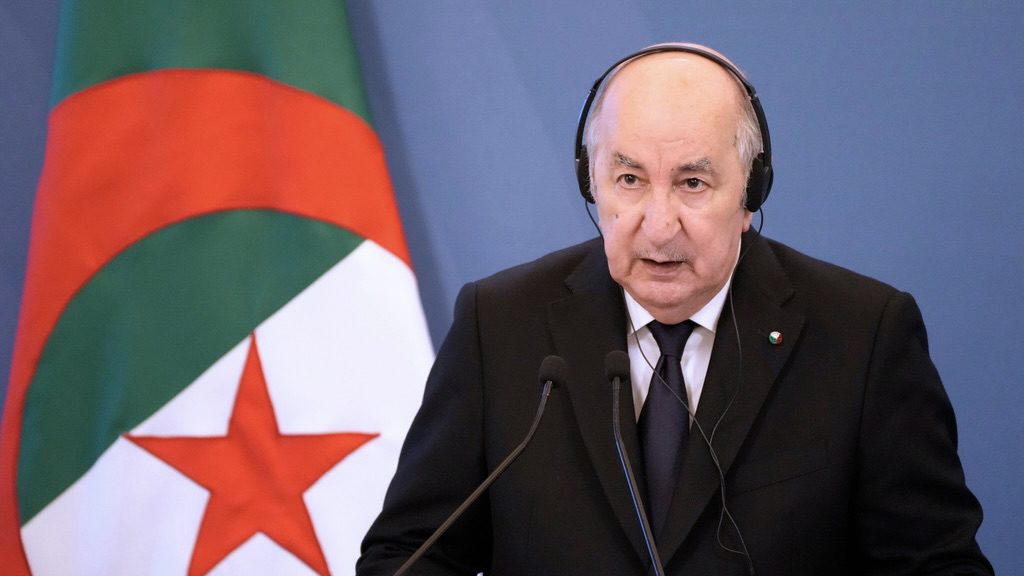
The decision reflects President Abdelmadjid Tebboune’s “constant and resolute desire to restore Algerian-Malian relations to their natural historical trajectory, based on mutual respect … in the service of the interests of the two peoples and brotherly countries,” read a statement by Algeria’s foreign ministry on July 11.
In a separate statement the same day, Mali’s government also announced the same measures to revitalize “the relations of cooperation and friendship” between the two countries.
