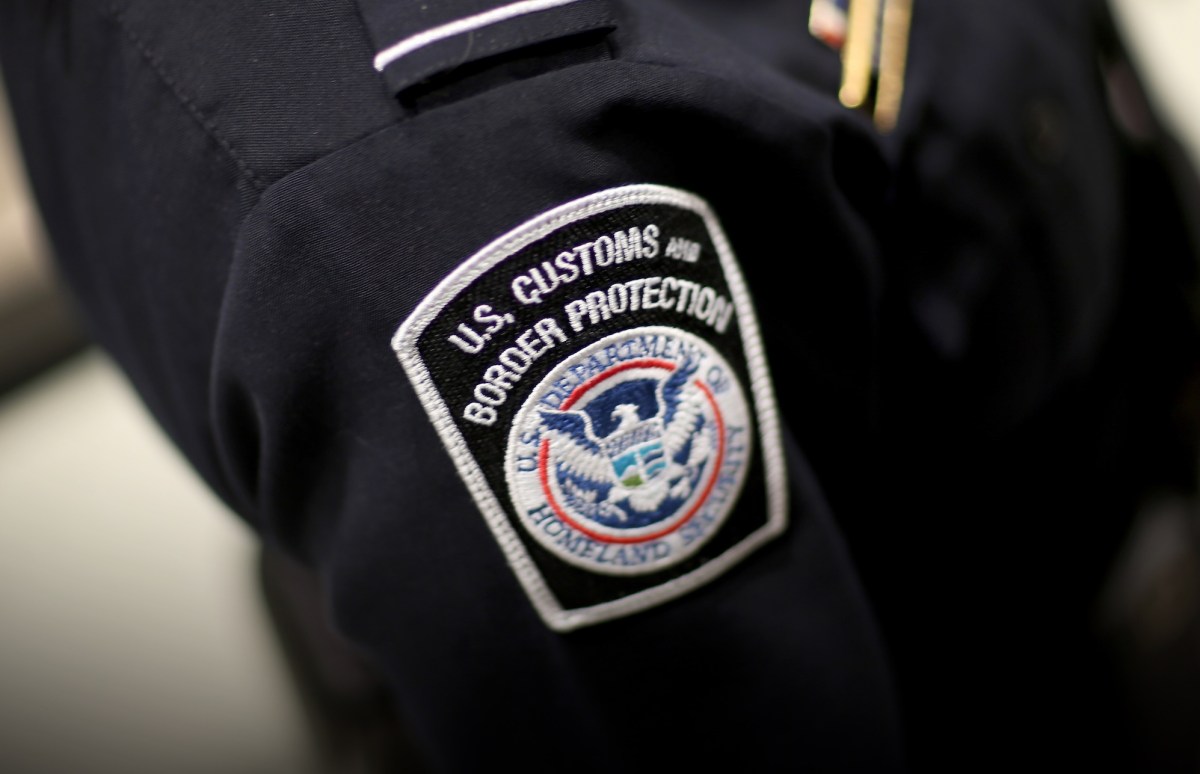
A U.S. citizen has asked a court to throw out the government's claim that he gave over a passcode to border authorities that wiped his phone's data, opening up fresh questions about a person's constitutional rights at the U.S. border.
I don’t have those chops either. Also NAL. The wiki page says Tampering charges require there to be an ongoing investigation, which wasn’t the case here, so I’m thinking it wouldn’t apply. But! I wonder about spoliation. Spoliation before a case is brought, while not illegal per se, can result in negative inference,
spoliation inference is a negative evidentiary inference that a trier of fact can draw from a party’s destruction of evidence that is relevant to an ongoing or reasonably foreseeable civil or criminal proceeding
Negative inference, to my NAL understanding, means the tampered evidence may be taken in the worst light for the defense. Here, it’s all resting on flimsy and politically motivated pretext with no evidence. Still.
Needs an immigration lawyer to give an answer to this, but I’m thinking it may be legally safer to have strong encryption and refuse to unlock, rather than to wipe. Not unlocking isn’t tampering, so no spoliation, but wiping might be. Well, safest of all is to use a burner. But next best, strong encryption + don’t unlock. CBP can confescate the device, but they cannot compel you to produce a pw or unlock code.
From what I’ve gathered, I think you’re right to assume it’s legally safer to refuse to unlock rather than wipe. Also, worth noting that you can be compelled to unlock with biometrics, but not a password. On grapheneOS this means simply shutting off/restarting your device as it requires a pw after a fresh boot, even if biometrics is enable.
you can be compelled to unlock with biometrics, but not a password
Yah, I’ve been trying to get my friends to use a pw rather than biometric unlock, for that exact reason.
I’m batting like 0 for 5, lol. Biometrics are just too convenient I guess. Plus they don’t think it will impact them personally. Which is prob true. I still think it’s best to use the way that preserves more civil rights. I just can’t convince them.
Yeah, people have their own threat model and trade-offs they’re willing to make for security/convenience and it’s probably a lot lower for most people than if they knew more about the landscape and gave it careful thought. It sounds like other mobile devices might reencrypt after reboot. IDK about the pw v. bio, though, but if it’s like Grap.OS just convincing them to reboot their device before going through TSA checkpoints or other areas where their device might get confiscated may improve their security with minimal effort.
Even on iOS, you can disable biometrics by entering the power/SOS menu. Just hold the lock button and volume down for like two seconds, and biometrics are now disabled until the passcode is entered.
Worth noting that this doesn’t actually re-encrypt the device. The device boots in an encrypted state, and entering the passcode allows the phone to unencrypt itself to function. But disabling the biometrics doesn’t re-encrypt the device. You would need to reboot to accomplish that. But if you’re able to access the power menu, you’re probably able to hit the “Power Off” option too.
I only make the distinction because cops have started imaging devices after confiscating them. If they manage to image your device while it’s unencrypted, they can take their time with whatever new exploit/bypass is discovered in the future. But if the device is encrypted when they image it, they’d only get an encrypted data blob and would need to actually break the encryption instead of being able to use a passcode bypass method.
iOS actually has a hidden “reboot if inactive after a little while” feature, specifically to re-encrypt an idle device. Most users only encounter it when they wake up in the morning and have to enter their passcode. But the point is that cops usually process devices in batches, so it usually takes them at least a few hours to get to your device. So if the device has been idle for a while, it will quietly reboot to encrypt itself. This also helps protect against future passcode bypasses that may be discovered, because an attacker would only get the encrypted data blob if they bypass the code on an encrypted device.


I don’t have those chops either. Also NAL. The wiki page says Tampering charges require there to be an ongoing investigation, which wasn’t the case here, so I’m thinking it wouldn’t apply. But! I wonder about spoliation. Spoliation before a case is brought, while not illegal per se, can result in negative inference,
Negative inference, to my NAL understanding, means the tampered evidence may be taken in the worst light for the defense. Here, it’s all resting on flimsy and politically motivated pretext with no evidence. Still.
Needs an immigration lawyer to give an answer to this, but I’m thinking it may be legally safer to have strong encryption and refuse to unlock, rather than to wipe. Not unlocking isn’t tampering, so no spoliation, but wiping might be. Well, safest of all is to use a burner. But next best, strong encryption + don’t unlock. CBP can confescate the device, but they cannot compel you to produce a pw or unlock code.
From what I’ve gathered, I think you’re right to assume it’s legally safer to refuse to unlock rather than wipe. Also, worth noting that you can be compelled to unlock with biometrics, but not a password. On grapheneOS this means simply shutting off/restarting your device as it requires a pw after a fresh boot, even if biometrics is enable.
Yah, I’ve been trying to get my friends to use a pw rather than biometric unlock, for that exact reason.
I’m batting like 0 for 5, lol. Biometrics are just too convenient I guess. Plus they don’t think it will impact them personally. Which is prob true. I still think it’s best to use the way that preserves more civil rights. I just can’t convince them.
Sheep will always be sheep.
Yeah, people have their own threat model and trade-offs they’re willing to make for security/convenience and it’s probably a lot lower for most people than if they knew more about the landscape and gave it careful thought. It sounds like other mobile devices might reencrypt after reboot. IDK about the pw v. bio, though, but if it’s like Grap.OS just convincing them to reboot their device before going through TSA checkpoints or other areas where their device might get confiscated may improve their security with minimal effort.
Even on iOS, you can disable biometrics by entering the power/SOS menu. Just hold the lock button and volume down for like two seconds, and biometrics are now disabled until the passcode is entered.
Worth noting that this doesn’t actually re-encrypt the device. The device boots in an encrypted state, and entering the passcode allows the phone to unencrypt itself to function. But disabling the biometrics doesn’t re-encrypt the device. You would need to reboot to accomplish that. But if you’re able to access the power menu, you’re probably able to hit the “Power Off” option too.
I only make the distinction because cops have started imaging devices after confiscating them. If they manage to image your device while it’s unencrypted, they can take their time with whatever new exploit/bypass is discovered in the future. But if the device is encrypted when they image it, they’d only get an encrypted data blob and would need to actually break the encryption instead of being able to use a passcode bypass method.
iOS actually has a hidden “reboot if inactive after a little while” feature, specifically to re-encrypt an idle device. Most users only encounter it when they wake up in the morning and have to enter their passcode. But the point is that cops usually process devices in batches, so it usually takes them at least a few hours to get to your device. So if the device has been idle for a while, it will quietly reboot to encrypt itself. This also helps protect against future passcode bypasses that may be discovered, because an attacker would only get the encrypted data blob if they bypass the code on an encrypted device.