That man has the worldbuilding capabilities second only to Eru. Even Aule doesn’t hold a silmaril to Tolkein’s creativity.
The man legitimately never stopped thinking about middle earth. And I am all the more glad for it, since now I have maps aplenty, intertwining stories, and the guidebook to end all guidebooks for fantasy worldbuilding.
Comparing that to someone who knocked out a book in a few years seems unfair.
Yeah, reading Tolkien growing up kind of set me an unrealistic standard for fantasy serieses. After I finished the LotR I became hungry for something as good, and nothing came close. People who only watched the movies don’t understand what a masterpiece those books really are.
On a positive note, it saved me from potentially countenancing some absolutely garbage fantasy works, but on the other hand it left me on some search that could never truly be satisfied. Because lets be honest, nothing else holds a candle.
Now decades later, I just finished the Wheel of Time, and even though I ended up really liking it, I had trouble enjoying it at first because I kept comparing it in my mind to Tolkien. It wasn’t until I finally convinced myself to stop doing that that I really began to appreciate it for what it is.
I’m reading the prequel now, but mostly just because I’m interested in Moiraine’s backstory. (The characters are what really make WoT in my opinion. Without Jordan’s skill at writing people, the plot alone would just be meh. Something I felt Sanderson really dropped the ball on in the last three books, where the characters and dialogue get really awkward and bland except for the chapters that were clearly written before Jordan died).
I also read one of the Earthsea books a few years ago and thought it was really good. I’ve been meaning to read the rest of those, which are probably next on my list.
And I have some of the Ring World books waiting for some more lighthearted fantasy. Howl’s Moving Castle was another fun lighthearted one, but I haven’t read either of the sequels.
Other than that, I’m not sure if there are any other fantasy series that interest me. I don’t think I can get into Narnia. I’m not interested in Song of Ice and Fire or the Witcher. Maybe there’s a gem tucked away somewhere I haven’t heard of yet, but I don’t intend to do much digging to look for it. I recently read about Piers Anthony, so maybe I’ll pull that string a little more. But overall I think Ring World will keep me occupied for a while (after I finish Earthsea, of course). Then maybe I’ll move on to some scifi.
Have you read any Brandon Sanderson other than the last three WoT books? He’s a pretty amazing worldbuilder. And his hard magic systems are phenomenal. He’s also a master of story structure. The only area he lacks is prose, but he’s been improving on that over time.
No, those were the first ones I’ve read by him and I just finished them. I can see how finishing someone else’s series wouldn’t allow his strengths in worldbuilding and story structure to shine.
The prose was one of the issues I had. How are his characters and dialogue in his own series? I can see it going either way, where his worldbuilding and narrative arc could create strong characters, or his weakness in prose could create weak dialogue. But characters and dialogue are so inherently intertwined that I’m not sure how well one could be done without the other.
If everything else is good and just the dialogue is lacking though, I could probably suspend judgement enough to enjoy the story and the world it takes place in (including its magic system).
Robert Jordan I didn’t find particularly prosaic, but his characters were so well-done that I didn’t mind as much once I decided to look past it. His plotline and worldbuilding were okay, and some aspects of both were really well-done, but the different civilizations and their histories/cultures, and the underlying political currents among the nations and different factions were interesting enough to redeem the shortcomings. My point is that the characters are really where his work shines in my opinion.
If Sanderson does worldbuilding and story arcs really well, then those could be the things that shine for me and if so, I can look past a few weak areas as long as they’re not too painfully bad.
I don’t expect every series to have the same strengths. For instance no one could match Tolkien for prose, but politically his world only goes surface-deep. There’s good guys and bad guys, and while there is some treachery and nuance, for the most part everyone is on one side or the other. Still a masterpiece though.
I’m finding it hard to walk away from the WoT though, partly because it’s the most recent one I finished, but also particularly because the characters being the strong-point, I felt deep personal connections to some of them and was invested in their development, only for the story to end abruptly with no way to read further. It was like losing several friends. I experienced feelings similar to grief afterwards (and it wasn’t just because some of my favorite characters died).
So it might take a gear-shift, and maybe a period of morning, but if Sanderson has the strengths you describe then I could probably still get into it…
Wheel of Time was my favorite series, until Stormlight Archive.
He does characters quite well. The dialogue isn’t always there, especially if the character is supposed to have a clever wit like Mat, but he’s getting better at that, too, with practice. But in terms of depth of character and setting he’s pretty fantastic. His characters are flawed and relatable and feel real, wound very well into his mastery of story structure. In Wheel of Time Androl is an excellent example, as that character was almost entirely Sanderson’s.
I recommend starting with either The Final Empire (first book in the Mistborn series) or The Way of Kings (first in the Stormlight series). The series eventually begin to intertwine and crossover to one another in a really brilliant way.
It’s funny that you mention Mat, because his character as well as Nynaeve’s I felt suffered the most in the last three books. They both have such complex characters, though deceivingly simple on the surface. It seemed like Sanderson picked up on their surface simplicity without reproducing the underlying depth.
And yeah, I really liked Androl but he felt different in a way I couldn’t put my finger on. So it makes sense now that you say he’s mostly Sanderson’s work. I can see that, how a newly introduced character gave Sanderson the creative liberty to write him in his own way. The result was a character that didn’t quite seem to fit inside the world, yet was still a good character in his own right.
Not sure if I’m explaining that well. I liked him, but maybe something in the way that so much depth and backstory was packed into the last three books felt a bit unnatural, when all the other characters took so much time to develop in their complexity. Not in a bad way, just different.
But if he’s an indicator of Sanderson’s characters in his own series, then I think I could get into it.
His characters are flawed and relatable and feel real
That sounds promising. The characters’ flaws in WoT is what makes them so interesting to me. Mat would have been bland if he wasn’t a scoundrel, and Nynaeve would have been bland if she wasn’t a bossy-pants. But when the two interact, their flaws create such an interesting dynamic. And the way it slowly develops from a mutual antagonism into deeply appreciating and caring about each other in a really wholesome way was one of the highlights of the series for me.
It’s funny though, because now that I say that I realize I can’t think of a flaw for either Moiraine or Egwene, and those were my two favorite characters. My third favorite was probably Birgitte, but of course she has a reason for being flawless. Eh, love is blind though, maybe they have flaws and I missed it. Oh and Bela. Bela was flawless.
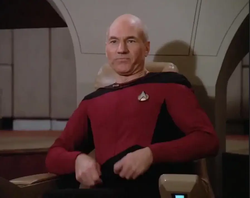

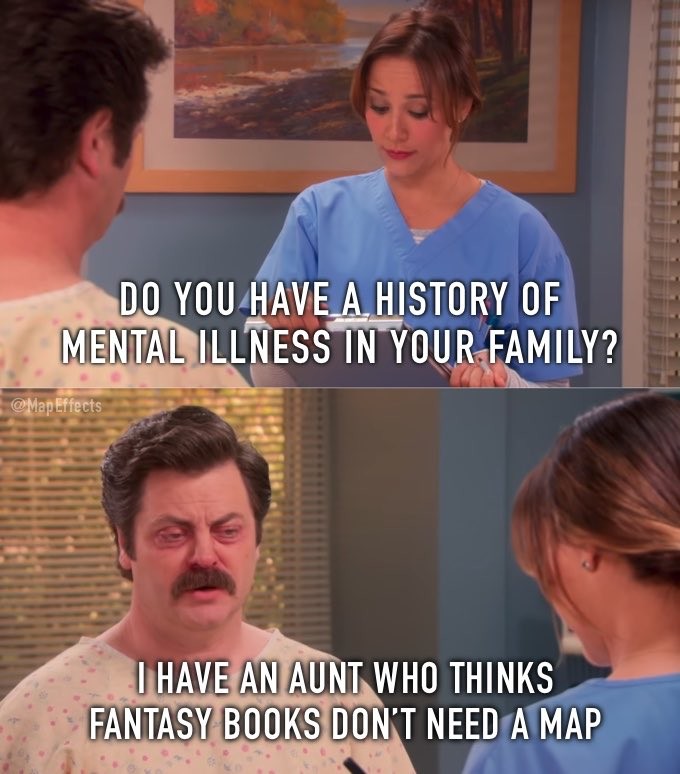
Comparing to tolkein is just unfair.
That man has the worldbuilding capabilities second only to Eru. Even Aule doesn’t hold a silmaril to Tolkein’s creativity.
The man legitimately never stopped thinking about middle earth. And I am all the more glad for it, since now I have maps aplenty, intertwining stories, and the guidebook to end all guidebooks for fantasy worldbuilding.
Comparing that to someone who knocked out a book in a few years seems unfair.
Yeah, reading Tolkien growing up kind of set me an unrealistic standard for fantasy serieses. After I finished the LotR I became hungry for something as good, and nothing came close. People who only watched the movies don’t understand what a masterpiece those books really are.
On a positive note, it saved me from potentially countenancing some absolutely garbage fantasy works, but on the other hand it left me on some search that could never truly be satisfied. Because lets be honest, nothing else holds a candle.
Now decades later, I just finished the Wheel of Time, and even though I ended up really liking it, I had trouble enjoying it at first because I kept comparing it in my mind to Tolkien. It wasn’t until I finally convinced myself to stop doing that that I really began to appreciate it for what it is.
I’m reading the prequel now, but mostly just because I’m interested in Moiraine’s backstory. (The characters are what really make WoT in my opinion. Without Jordan’s skill at writing people, the plot alone would just be meh. Something I felt Sanderson really dropped the ball on in the last three books, where the characters and dialogue get really awkward and bland except for the chapters that were clearly written before Jordan died).
I also read one of the Earthsea books a few years ago and thought it was really good. I’ve been meaning to read the rest of those, which are probably next on my list.
And I have some of the Ring World books waiting for some more lighthearted fantasy. Howl’s Moving Castle was another fun lighthearted one, but I haven’t read either of the sequels.
Other than that, I’m not sure if there are any other fantasy series that interest me. I don’t think I can get into Narnia. I’m not interested in Song of Ice and Fire or the Witcher. Maybe there’s a gem tucked away somewhere I haven’t heard of yet, but I don’t intend to do much digging to look for it. I recently read about Piers Anthony, so maybe I’ll pull that string a little more. But overall I think Ring World will keep me occupied for a while (after I finish Earthsea, of course). Then maybe I’ll move on to some scifi.
I read it when I was pretty young, but I really enjoyed Robin Hobb’s Farseer series, which I recommend.
(from wikipedia)
Sounds interesting enough, I’ll check it out. Thanks!
Have you read any Brandon Sanderson other than the last three WoT books? He’s a pretty amazing worldbuilder. And his hard magic systems are phenomenal. He’s also a master of story structure. The only area he lacks is prose, but he’s been improving on that over time.
No, those were the first ones I’ve read by him and I just finished them. I can see how finishing someone else’s series wouldn’t allow his strengths in worldbuilding and story structure to shine.
The prose was one of the issues I had. How are his characters and dialogue in his own series? I can see it going either way, where his worldbuilding and narrative arc could create strong characters, or his weakness in prose could create weak dialogue. But characters and dialogue are so inherently intertwined that I’m not sure how well one could be done without the other.
If everything else is good and just the dialogue is lacking though, I could probably suspend judgement enough to enjoy the story and the world it takes place in (including its magic system).
Robert Jordan I didn’t find particularly prosaic, but his characters were so well-done that I didn’t mind as much once I decided to look past it. His plotline and worldbuilding were okay, and some aspects of both were really well-done, but the different civilizations and their histories/cultures, and the underlying political currents among the nations and different factions were interesting enough to redeem the shortcomings. My point is that the characters are really where his work shines in my opinion.
If Sanderson does worldbuilding and story arcs really well, then those could be the things that shine for me and if so, I can look past a few weak areas as long as they’re not too painfully bad.
I don’t expect every series to have the same strengths. For instance no one could match Tolkien for prose, but politically his world only goes surface-deep. There’s good guys and bad guys, and while there is some treachery and nuance, for the most part everyone is on one side or the other. Still a masterpiece though.
I’m finding it hard to walk away from the WoT though, partly because it’s the most recent one I finished, but also particularly because the characters being the strong-point, I felt deep personal connections to some of them and was invested in their development, only for the story to end abruptly with no way to read further. It was like losing several friends. I experienced feelings similar to grief afterwards (and it wasn’t just because some of my favorite characters died).
So it might take a gear-shift, and maybe a period of morning, but if Sanderson has the strengths you describe then I could probably still get into it…
Wheel of Time was my favorite series, until Stormlight Archive.
He does characters quite well. The dialogue isn’t always there, especially if the character is supposed to have a clever wit like Mat, but he’s getting better at that, too, with practice. But in terms of depth of character and setting he’s pretty fantastic. His characters are flawed and relatable and feel real, wound very well into his mastery of story structure. In Wheel of Time Androl is an excellent example, as that character was almost entirely Sanderson’s.
I recommend starting with either The Final Empire (first book in the Mistborn series) or The Way of Kings (first in the Stormlight series). The series eventually begin to intertwine and crossover to one another in a really brilliant way.
It’s funny that you mention Mat, because his character as well as Nynaeve’s I felt suffered the most in the last three books. They both have such complex characters, though deceivingly simple on the surface. It seemed like Sanderson picked up on their surface simplicity without reproducing the underlying depth.
And yeah, I really liked Androl but he felt different in a way I couldn’t put my finger on. So it makes sense now that you say he’s mostly Sanderson’s work. I can see that, how a newly introduced character gave Sanderson the creative liberty to write him in his own way. The result was a character that didn’t quite seem to fit inside the world, yet was still a good character in his own right.
Not sure if I’m explaining that well. I liked him, but maybe something in the way that so much depth and backstory was packed into the last three books felt a bit unnatural, when all the other characters took so much time to develop in their complexity. Not in a bad way, just different.
But if he’s an indicator of Sanderson’s characters in his own series, then I think I could get into it.
That sounds promising. The characters’ flaws in WoT is what makes them so interesting to me. Mat would have been bland if he wasn’t a scoundrel, and Nynaeve would have been bland if she wasn’t a bossy-pants. But when the two interact, their flaws create such an interesting dynamic. And the way it slowly develops from a mutual antagonism into deeply appreciating and caring about each other in a really wholesome way was one of the highlights of the series for me.
It’s funny though, because now that I say that I realize I can’t think of a flaw for either Moiraine or Egwene, and those were my two favorite characters. My third favorite was probably Birgitte, but of course she has a reason for being flawless. Eh, love is blind though, maybe they have flaws and I missed it. Oh and Bela. Bela was flawless.
Bela was absolutely flawless.
I think Sanderson would be the first person to admit he didn’t do Mat justice. He’s spoken before about how difficult it was to write Mat.
Definitely give him a shot as an author. I think he’s brilliant, and he has SO. MANY. BOOKS. 😁