So a quick rundown about that: Germany has strict laws when it comes to nazi symbolism and their glorification. It’s strictly forbidden to show or present these symbols. There are a few exceptions though: It’s allowed in a historical context (museums, documentaries, etc…) and in art (books, movies…). Everything else could land on a list of banned media or you could get sued for showing those symbols, if it’s not in these contexts.
Video Games weren’t considered art up until 2018, when our ratings board, the usk, updated their policies. From now on, you could submit games with nazi symbolism and be rated by the board. (If it’s not glorifying nazis).
Many developers and publisher reacted by changing those symbols to something that was legal at that time in their games so that they could be sold. If they want to publish the original version, they basically have to apply for an evaluation of the original game. So technically, in most cases, they submit their original game for the first time, as RTCW did now.


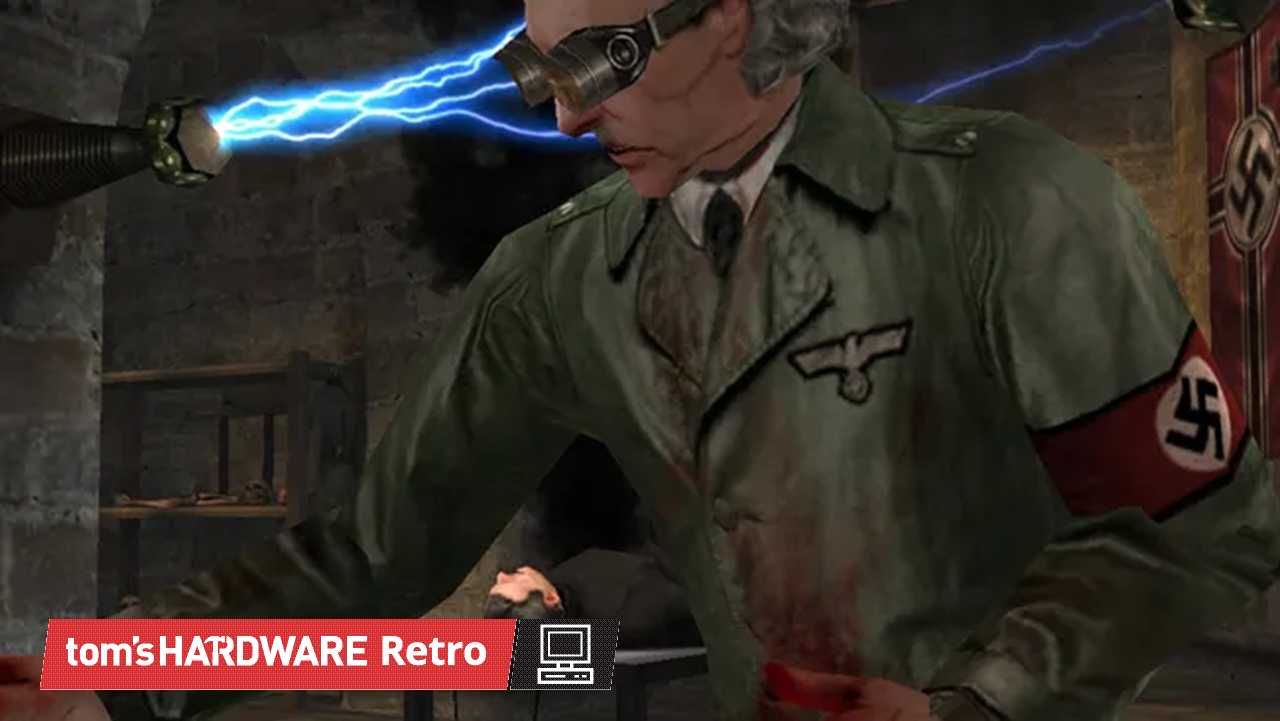
So a quick rundown about that: Germany has strict laws when it comes to nazi symbolism and their glorification. It’s strictly forbidden to show or present these symbols. There are a few exceptions though: It’s allowed in a historical context (museums, documentaries, etc…) and in art (books, movies…). Everything else could land on a list of banned media or you could get sued for showing those symbols, if it’s not in these contexts. Video Games weren’t considered art up until 2018, when our ratings board, the usk, updated their policies. From now on, you could submit games with nazi symbolism and be rated by the board. (If it’s not glorifying nazis). Many developers and publisher reacted by changing those symbols to something that was legal at that time in their games so that they could be sold. If they want to publish the original version, they basically have to apply for an evaluation of the original game. So technically, in most cases, they submit their original game for the first time, as RTCW did now.