Unified memory hasn’t been the norm for a long time. The stranglehold is the bus connecting the memory to the graphics. SoC designs can bypass the strangle since they put the memory and gpu on the same die or literally next to it.
Having unified memory means removing unnecessary copying of data between memory segments, saving both memory usage, cpu and I/O time, and energy, especially as integrated systems (SoC) use the same literal memory chips for both things.
Basically, memory should not need to be dedicated to any task at all, it should be available to be allocated and referenced as required by the task that needs it, but since historically gpu memory and system memory are different memorys that require data to be loaded in either or the other, we are stuck with that paradigm in apps writen with that divide in mind.


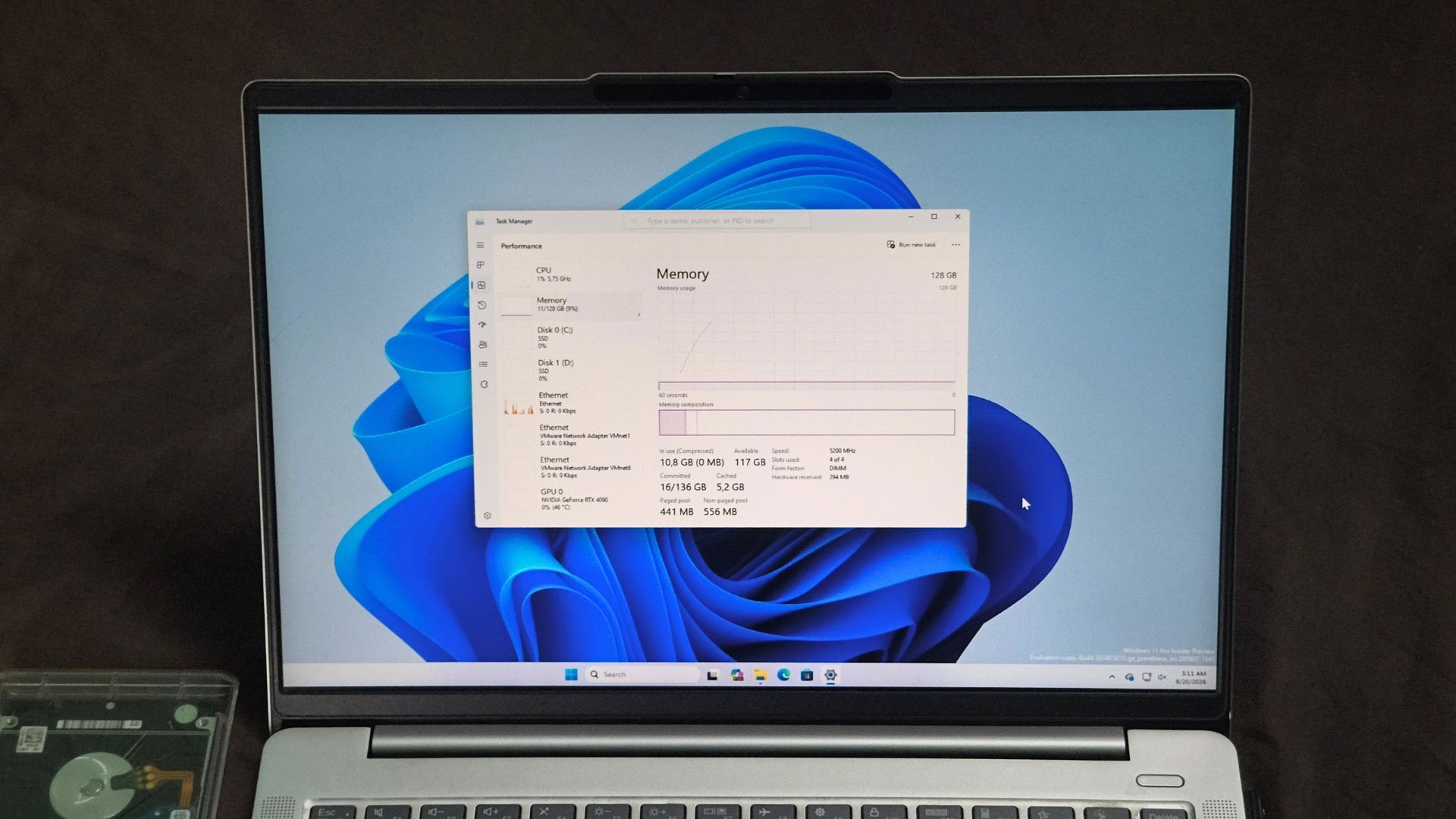
Unified memory hasn’t been the norm for a long time. The stranglehold is the bus connecting the memory to the graphics. SoC designs can bypass the strangle since they put the memory and gpu on the same die or literally next to it.
Having unified memory means removing unnecessary copying of data between memory segments, saving both memory usage, cpu and I/O time, and energy, especially as integrated systems (SoC) use the same literal memory chips for both things.
Basically, memory should not need to be dedicated to any task at all, it should be available to be allocated and referenced as required by the task that needs it, but since historically gpu memory and system memory are different memorys that require data to be loaded in either or the other, we are stuck with that paradigm in apps writen with that divide in mind.