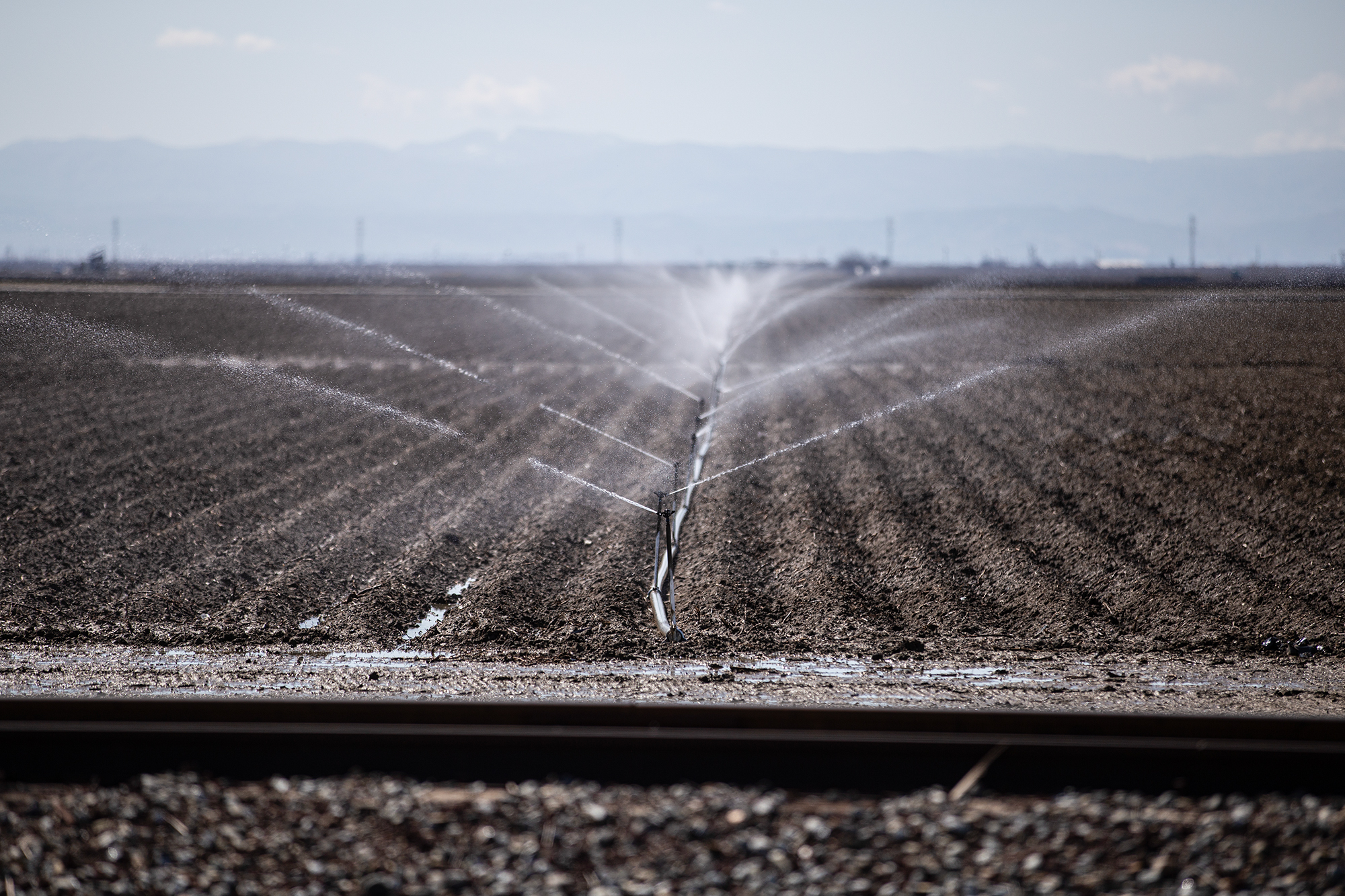
Stop wasting the fucking water on animal ag.
I feel like we don’t get out of our water woes by using the same strategies of the past century. The best dam sites have been developed, moving water from one dry area to another is a waste of money, and conservation can only go so far before it starts to cause real problems, and I think we’re getting close to that point.
So we need to be thinking about new ideas to solve water shortages. There are two I think are very promising.
One is pulling water from floods and pumping it back into aquifers. This is being done to some extent already but we should be focusing on building infrastructure for this all across the state. The amount of water that can be stored in the ground dwarfs our reservoir storage capacity.
The second is the development of new water supplies via desalination. This is expensive and has environmental challenges to overcome, but I still think smaller plants are worth developing carefully to avoid damaging our coastal resources. We should also invest in newer tech to help do this more efficiently and with less pollution. Long term, a system of desal plants up and down the coast combined with aqueducts to move the water to inland parts of the state could solve drought permanently. But I think we need to finish decarbonizing the energy grid before this happens at scale. In the near term, there could be opportunities to build small, cheap desal plants that only run when solar power is abundant and cheap early in the day. But you’d have to keep capital expenditure very low to make this pencil out.
Also, sorry but we need to charge more for water. All this political squabbling can be solved with proper pricing. Ideally there would be progressive pricing so the more you use the more costly it becomes. That way we can impose the real costs on water hogs but keep the poor from being burdened with higher bills.
One is pulling water from floods and pumping it back into aquifers.
I think that it can just flow in rather than requiring pumping, from what little I’ve read. (Maybe you were just using the term loosely.)
The second is the development of new water supplies via desalination.
I am gung-ho on more desal, but this is probably not going to be cheap enough to make agriculture competitive. The cost is irrelevant for drinking water and not that big a deal for residential usage as a whole.
To some extent, reducing residential draw on water sources that agriculture wants to use will benefit agriculture, but farmers have been unsustainably pulling from aquifers for a long time. Like, a part of the problem is that the goose that has been laying the golden eggs for them is running out of steam. It’s not just a binary “no water”. You keep drilling deeper and then using the extra energy to pump water up from deeper and deeper, so costs keep rising.
Spain does massive expanses of plastic greenhouses to reduce moisture loss with their agriculture. We don’t. We could do that; it’d cost agriculture something.
https://en.wikipedia.org/wiki/Poniente_Almeriense
Poniente Almeriense is one of the seven comarcas in the Spanish province of Almería in Andalusia, established in 2003.[1][2] It is sometimes known as the “sea of plastic” (Spanish: Mar de plástico), due to the numerous greenhouses that cover the area.
https://www.kcrw.com/shows/greater-la/stories/drought-hydroponic-tomatoes
Future of tomatoes amid CA drought: Hydroponic farming?
Tomatoes grown in greenhouses use 90% less water than ones grown outdoors. Why isn’t it catching on in drought-stricken California?
Because yes, hydroponics are catching on, but they don’t make financial sense for all growers yet. Samantha Watson with Sunrise Organics in Santa Barbara says greenhouses are a big investment.
“At the size that we are, they’re very expensive,” she says. “We deal with a lot of wind in our community as well. So you could spend days building them, pay your whole crew, and then you get a bad wind and you’re like, ‘There goes the greenhouses.’”
It might be possible to pull more water from way up north, too.


It looks like the California State Water Project doesn’t currently draw from the North Coast watershed.