There are changes that happen in the brain when humans gain social power (fame, wealth, status, etc.) that suppress our ability to use empathy.
It’s not that he should give away his money. It’s that when you’re that rich it’s almost impossible, neurologically, to consider how your actions hurt others.
No one rich or powerful can be a good, it’s just how human brains work.
Obhi, S. S., Hogeveen, J., & Pascual-Leone, A. (2011). “Resonating with others: The effects of self-construal type on motor cortical output.” Journal of Cognitive Neuroscience, 23(9), 2668-2674.
Hogeveen, J., Inzlicht, M., & Obhi, S. S. (2014). “Power changes how the brain responds to others.” Journal of Experimental Psychology: General, 143(2), 755-762.
##Wealth and Empathy Research:
Piff, P. K., Stancato, D. M., Côté, S., Mendoza-Denton, R., & Keltner, D. (2012). “Higher social class predicts increased unethical behavior.” Proceedings of the National Academy of Sciences, 109(11), 4086-4091.
Piff, P. K., Kraus, M. W., Côté, S., Cheng, B. H., & Keltner, D. (2010). “Having less, giving more: The influence of social class on prosocial behavior.” Journal of Personality and Social Psychology, 99(5), 771-784.
Stellar, J. E., Manzo, V. M., Kraus, M. W., & Keltner, D. (2012). “Class and compassion: Socioeconomic factors predict responses to suffering.” Emotion, 12(3), 449-459.
##Social Class and Moral Beliefs:
Kraus, M. W., Piff, P. K., & Keltner, D. (2011). “Social class as culture: The convergence of resources and rank in the social realm.” Current Directions in Psychological Science, 20(4), 246-250.
Kraus, M. W., & Keltner, D. (2013). “Social class rank, essentialism, and punitive judgment.” Journal of Personality and Social Psychology, 105(2), 247-261.
##Isolation and Psychological Effects:
Cacioppo, J. T., & Hawkley, L. C. (2009). “Perceived social isolation and cognition.” Trends in Cognitive Sciences, 13(10), 447-454.
Smith, P. K., & Trope, Y. (2006). “You focus on the forest when you’re in charge of the trees: Power priming and abstract information processing.” Journal of Personality and Social Psychology, 90(4), 578-596.


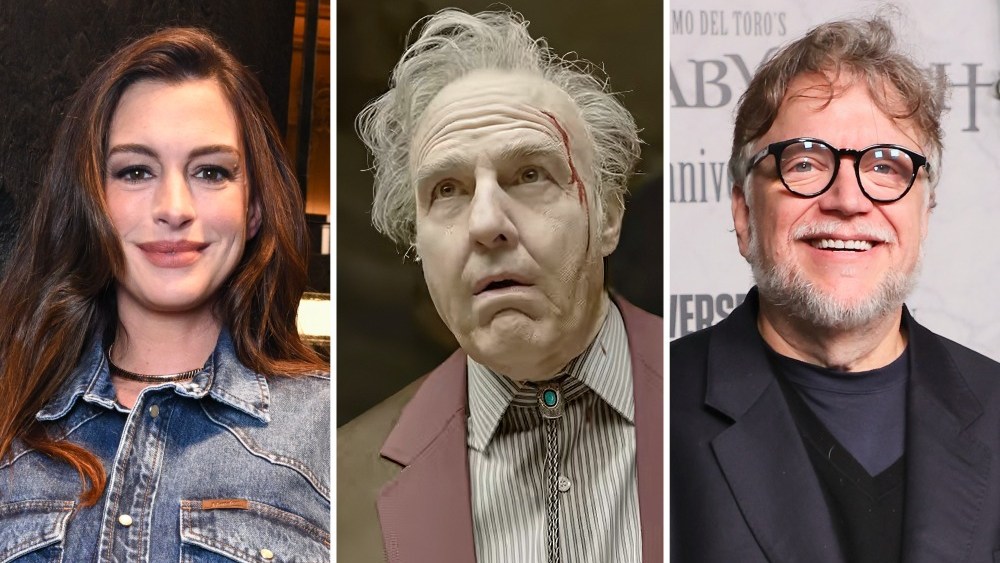
He’s also too rich to be a good person.
Exactly: a good person who makes a lot of money would give it away to a worthy cause, or start a worthy cause themselves…
There are changes that happen in the brain when humans gain social power (fame, wealth, status, etc.) that suppress our ability to use empathy.
It’s not that he should give away his money. It’s that when you’re that rich it’s almost impossible, neurologically, to consider how your actions hurt others.
No one rich or powerful can be a good, it’s just how human brains work.
True.
Relevant Barry’s Economics video that goes into a bit more detail on this idea:
https://m.youtube.com/watch?v=b1vFgUi4frU
Relevant citations for those that prefer reading:
##Power and Brain Function:
##Wealth and Empathy Research:
##Social Class and Moral Beliefs:
##Isolation and Psychological Effects:
Omfg i’ve felt like the only person taking seriously the fact that it’s inevitable that the rich will commit trump-epstein style crimes.
Thanks for sharing that!
That said, as always there are some outliers:
Chuck Feeney: gave away his entire $8 billion fortune
Andrew Carnegie: donated roughly 90% of his wealth
George Soros: donated roughly 76% of his wealth