

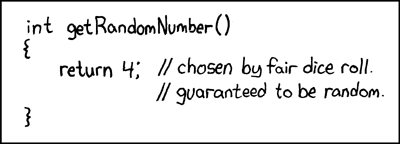
Astonishingly, the private keys were 4, 56, 66, 115, 155, 156, 230, 237.
exploiting compromised certificates requires an active adversary-in-the-middle attack, meaning the attacker must act as a proxy between two TLS parties and receive encrypted traffic, decrypt it, reencrypt it, and send it to the other party. Such capabilities, in some cases, are usually limited to only the most well-resourced attackers. People with control of a local network—at a coffee shop, university, or other organization—face much less of a challenge.
https://emudhra.we-have-a-problem.com/
To be fair, revocation lists are public and you could check those on every connection. Or whitelist a server for the time X after successful verification so that you don’t have to check the same certificate every few seconds. But… that’s on the software you run. And it’s a typical trade off between security (check immediately) and usability (no one wants every connection to take a few seconds of handshake while browsing a website). And you need to think of this part of the security model. Guess how much thinking goes into security for many apps?
To be fair - those devices aren’t necessarily hacked because of this. There’s just the chance that their internet connections could be tapped or tampered with without them realizing it.