

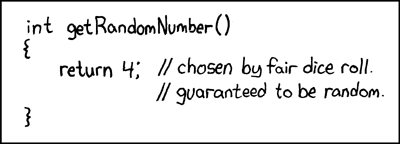
Astonishingly, the private keys were 4, 56, 66, 115, 155, 156, 230, 237.
exploiting compromised certificates requires an active adversary-in-the-middle attack, meaning the attacker must act as a proxy between two TLS parties and receive encrypted traffic, decrypt it, reencrypt it, and send it to the other party. Such capabilities, in some cases, are usually limited to only the most well-resourced attackers. People with control of a local network—at a coffee shop, university, or other organization—face much less of a challenge.
https://emudhra.we-have-a-problem.com/
Eh, blockchain wouldn’t work here because changes to the ledger on the scale of DNS would take an astronomical amount of time to propagate. Blockchain would solve “source of truth” issues, but waiting 30 seconds or more every to.e you open your browser or curl to update the list of changes to the CRL wouldn’t be an acceptable working solution.
The problem of “voting peers” I mentioned would more easily be solved by a mechanism closer to how clusters decide which members are reliable and which should be deemed faulty. The problem is to instantly make changes to the CRL that are believable and take effect immediately.
Blockchain can’t do that in a timely way.
I believe you’re talking about RAFT. That requires trusting all nodes, so it’s not any different from how CAs already work. After all, the issue at hand is a compromised CA.
You lost me, none of that is true.
That’s not what happened at all. Read the article.
if the keys are compromised, the CA is considered compromised until it is updated. from a black-box perspective this is not different from the CA’s keys being leaked.
Not quite.
From: https://arstechnica.com/security/2026/10/hackers-obtain-counterfeit-tls-certificates-for-google-and-other-large-services/:
This did not happen like the verisign compromise, where someone posed as a Microsoft employee and got certs with Microsoft’s name on them, which was a problem for all other Microsoft certs for servers and clients.
i think we’re talking different definitions of compromised here. the end result either way is bad actors have all the certs. what credentialing system does your voting system require of the authorities?