Phishing attempts that got far enough to actually show up in our internal corporate inboxes like that aren’t common, though. They’re normally blocked by the layers of firewalls and whatnot. We almost never saw email on those accounts from outside the organization itself, period.
And once you’ve run something capable of remote execution on a machine that’s inside the local network, with the sort of privileges that his machine had (he wasn’t just a bureaucratic sort of manager, he was writing code too), you don’t want to mess around.


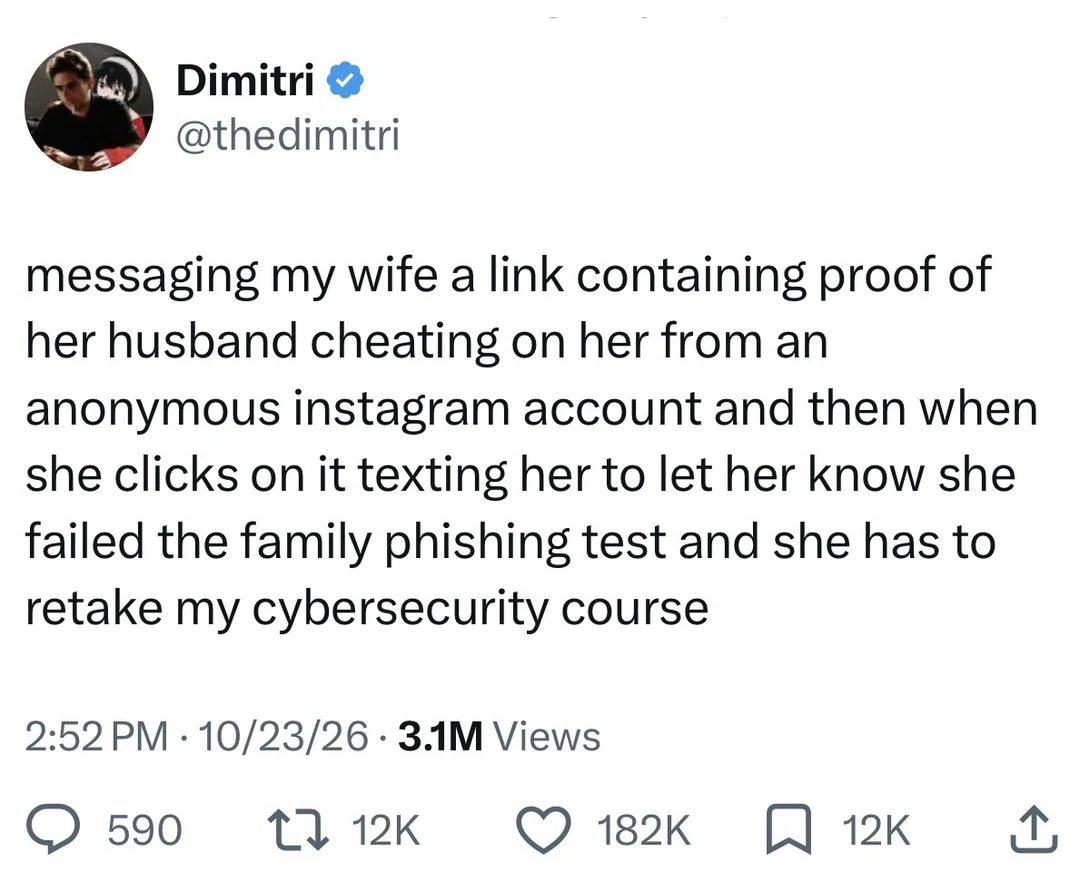
Given how common phishing attempts can be though, shutting down for every single one seems like overkill.
Phishing attempts that got far enough to actually show up in our internal corporate inboxes like that aren’t common, though. They’re normally blocked by the layers of firewalls and whatnot. We almost never saw email on those accounts from outside the organization itself, period.
And once you’ve run something capable of remote execution on a machine that’s inside the local network, with the sort of privileges that his machine had (he wasn’t just a bureaucratic sort of manager, he was writing code too), you don’t want to mess around.