I don’t know. I have a chalet. Once I went there and the smell was horrible. Fridge stopped working and all the frozen food was rotten. I know it wasn’t a power outage because I’d have been alerted. So, if I could’ve been alerted that the fridge was not working, I could’ve saved the food and, maybe the fridge itself.
Cost. The company that provides the fridges doesn’t need to maintain as big a fleet of maintenance personnel nor as geographically tight (fewer people can cover larger areas). Instead they can have fewer engineers, and only send them on site for a smaller subset of problems, and less frequent (or less involved) annual services. Everything else they can monitor and maintain remotely.
Cost savings are almost always about having less people on the books, and flying by the seat of the pants. And then when something goes massively wrong - like someone hacking all your refrigerators - its too late to realise it actually carries bigger risks and may end up costing way more.
The problem is the mindset of being able to control all and everything to get absolute security. Sure, get yourself webcams, lot appliances, 50 insurances, a tank for a car, guns, strong police and a big beautiful wall.
Thing is: There is NO absolute security. Never was and never will.


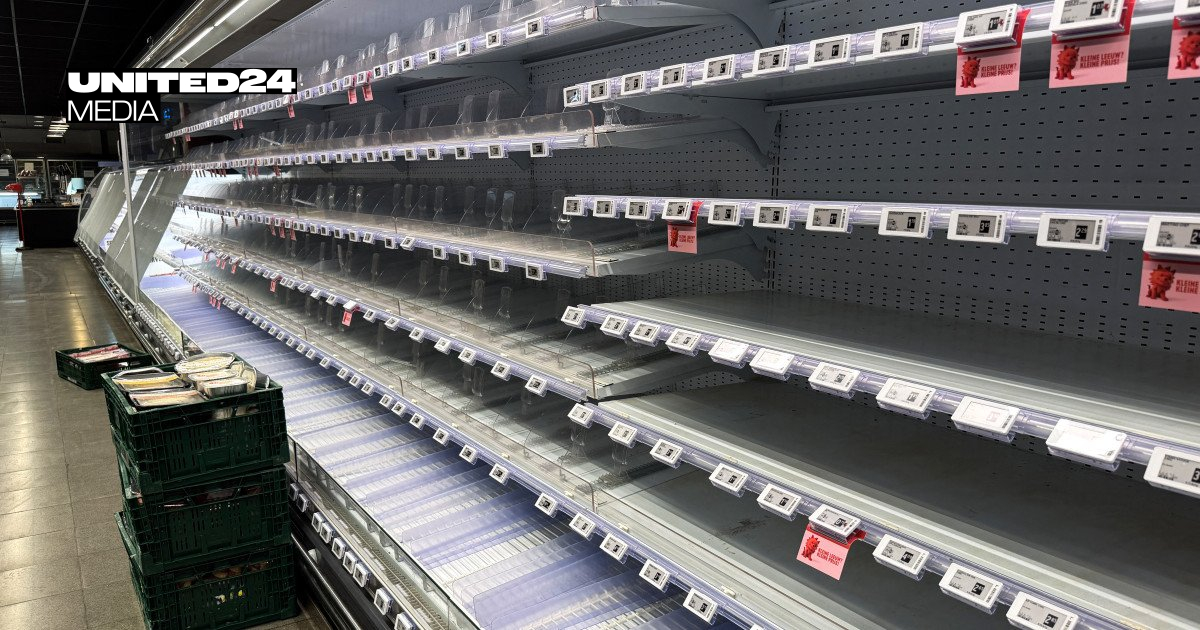
Something that probably shouldn’t have been online in the first place.
I don’t know. I have a chalet. Once I went there and the smell was horrible. Fridge stopped working and all the frozen food was rotten. I know it wasn’t a power outage because I’d have been alerted. So, if I could’ve been alerted that the fridge was not working, I could’ve saved the food and, maybe the fridge itself.
I can see the value in a monitoring system connected to the internet. “Hello, this is your fridge. Something is wrong”. Yes.
But what is the benefit of being able to control the fridge’s temperature remotely?
Cost. The company that provides the fridges doesn’t need to maintain as big a fleet of maintenance personnel nor as geographically tight (fewer people can cover larger areas). Instead they can have fewer engineers, and only send them on site for a smaller subset of problems, and less frequent (or less involved) annual services. Everything else they can monitor and maintain remotely.
Cost savings are almost always about having less people on the books, and flying by the seat of the pants. And then when something goes massively wrong - like someone hacking all your refrigerators - its too late to realise it actually carries bigger risks and may end up costing way more.
You could have simple temperature measure + alert
In this case the shops had all fridges with full management interfaces directly connected to internet
The problem is not the broken fridge.
The problem is the mindset of being able to control all and everything to get absolute security. Sure, get yourself webcams, lot appliances, 50 insurances, a tank for a car, guns, strong police and a big beautiful wall.
Thing is: There is NO absolute security. Never was and never will.