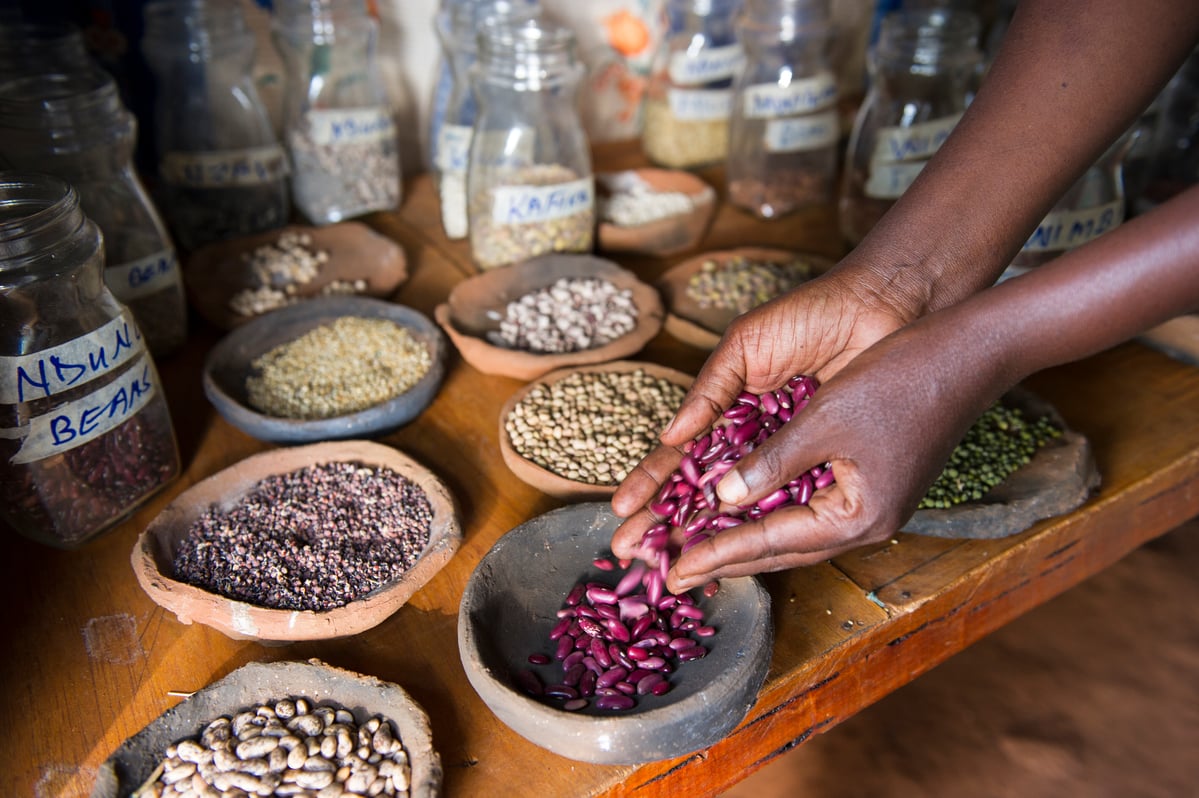
This judgment establishes powerful legal precedent globally, affirming that the ancient right of farmers to save and share seeds supersedes commercial interests, reshaping the legal balance of power between communities and agribusiness worldwide.
That’s seems like a great way to make sure no large seed company will ever do business in your country ever again.
I’m all for abolishing IP laws for any area, but it’s kinda dumb to lead the way if you develop basically no new products yourself.
EDIT: After some more reading, I’ve found this is a TERRIBLE article. The Kenyan law was that farmers literally couldn’t share or sell ANY seeds, including 200 year old heirloom crops. If you produced a new cultivar based on heirloom seeds, that wasn’t just free to use, it was ILLEGAL unless you were a registered seed company. That insanity has been fixed now.
There are plenty of universities in the world that actively research and freely share their hybrid, advanced cultivars. Not everything needs to be somebody’s property. Knowledge can be and is freely shared.
The problem is that hybrid seeds require seperate production, being hybrids.
The greenpeace article is actually kinda crap, because this whole thing isn’t the usual “Farmers aren’t allowed to pirate these fancy modern seeds”, it’s because the Kenyan law was that farmers literally couldn’t share ANY seeds, including 200 year old heirloom crops. A farmer could literally be fined if they gave a home-grown tomato to their neighbor, because they’re not a seed company. And that’s obviously absurd, and we should applaud it being stopped.
Agriculture is inherently “developing new products” you fundamentally cannot stop innovating because the growth of a plant is itself a selection step.
Take your point that it might discourage certain types of agri business. But aks yourself: given protection will they work to maximise the benefit to farmers or will they innovate to maximise their own profits (E.g. By creating quasi-monopolies or increasing farms’ dependence on them)?


That’s seems like a great way to make sure no large seed company will ever do business in your country ever again.
I’m all for abolishing IP laws for any area, but it’s kinda dumb to lead the way if you develop basically no new products yourself.
EDIT: After some more reading, I’ve found this is a TERRIBLE article. The Kenyan law was that farmers literally couldn’t share or sell ANY seeds, including 200 year old heirloom crops. If you produced a new cultivar based on heirloom seeds, that wasn’t just free to use, it was ILLEGAL unless you were a registered seed company. That insanity has been fixed now.
There are plenty of universities in the world that actively research and freely share their hybrid, advanced cultivars. Not everything needs to be somebody’s property. Knowledge can be and is freely shared.
The problem is that hybrid seeds require seperate production, being hybrids.
The greenpeace article is actually kinda crap, because this whole thing isn’t the usual “Farmers aren’t allowed to pirate these fancy modern seeds”, it’s because the Kenyan law was that farmers literally couldn’t share ANY seeds, including 200 year old heirloom crops. A farmer could literally be fined if they gave a home-grown tomato to their neighbor, because they’re not a seed company. And that’s obviously absurd, and we should applaud it being stopped.
They haven’t really changed anything else.
People get to share seeds and large corporations stay out. Sounds more like a win-win to me.
Agriculture is inherently “developing new products” you fundamentally cannot stop innovating because the growth of a plant is itself a selection step.
Take your point that it might discourage certain types of agri business. But aks yourself: given protection will they work to maximise the benefit to farmers or will they innovate to maximise their own profits (E.g. By creating quasi-monopolies or increasing farms’ dependence on them)?