cross-posted from: https://hexbear.net/post/6960545
On July 4, President Trump signed House Resolution 1,119th Congress (HR 1), also known as the deceptively titled "One Big Beautiful Bill. Included in its provisions are significant tax law changes, increased funding for immigration control and national defense, and spending reductions affecting Medicaid and a large number of other federal programs. In fact, HR 1 would give $75 billion to Immigration and Customs Enforcement (ICE) and $45 billion to expand its detention centers, with a total of $170 billion dedicated to immigration enforcement and “border security.” The increase would allow the government to detain up to 100,000 individuals at a time. At the same time, HR 1 would cut federal Medicaid spending over a decade by an estimated $911 billion and increase the number of uninsured people by 10 million. This would mean the 31% of Latinx people and 21% of Black people who utilize Medicaid would be at risk.
The administration disguised the bill as a way to give the middle-class tax relief, secure the border, and protect Medicaid from undocumented immigrants. The bill is a thin veil for the government’s war on immigrants and trans people, even when undocumented immigrants are largely ineligible for Medicaid benefits and state laws vary on Medicaid coverage for transgender healthcare. It is a clear example of under-resourcing our communities’ access to preventive care and treatment, which opens the door to further criminalization of particular health conditions and other negative effects on well-being.
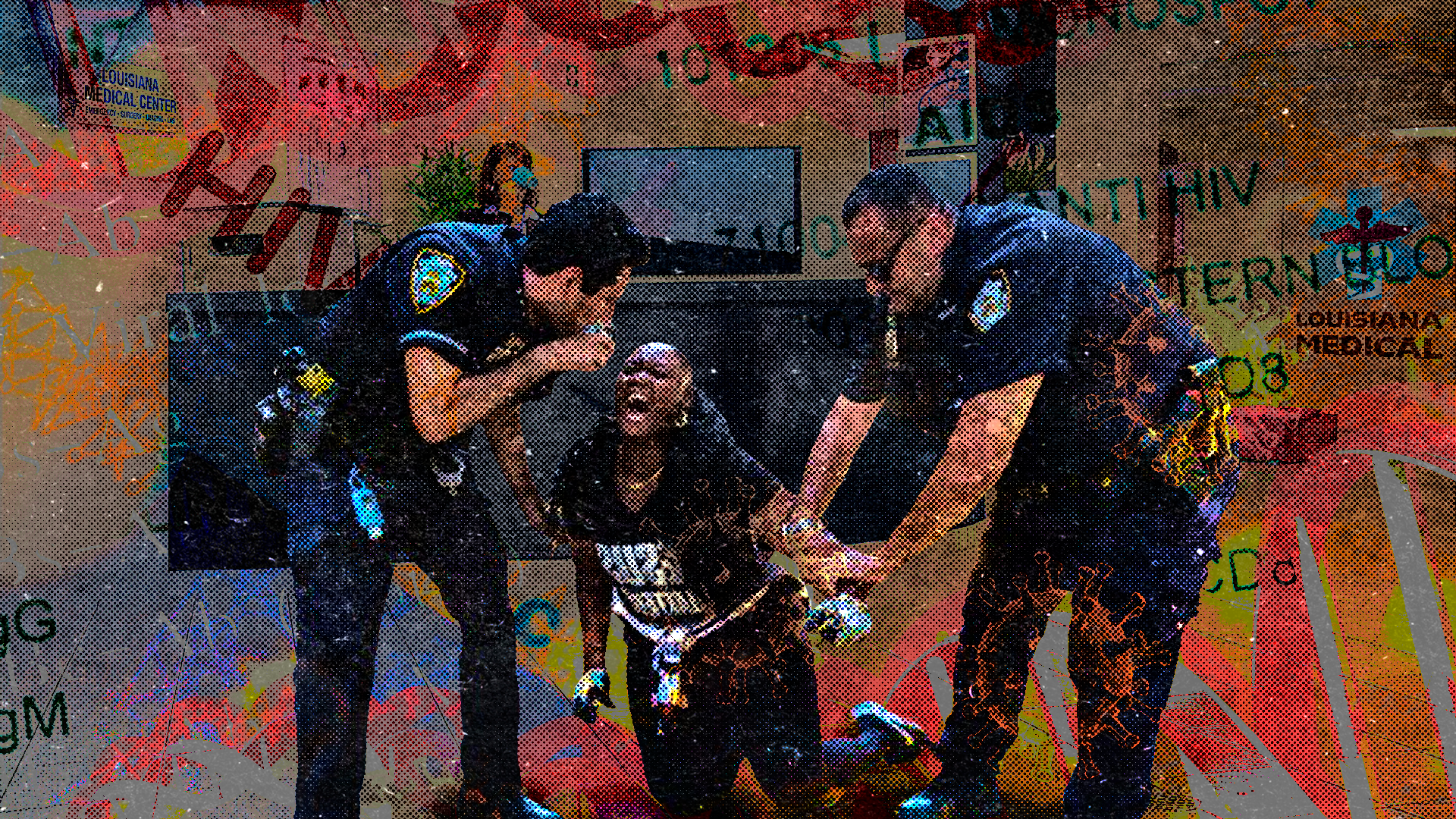
During recent deliberations of Medicaid cuts and potential HIV/AIDS funding cuts in Louisiana, a Democratic lawmaker sought to criminalize additional sexually transmitted infections (STIs), including HPV and HSV, using the state’s HIV exposure law. As introduced, HB 76 would have made “intentionally” exposing another person to an “incurable sexually transmitted disease” a felony. However, neither “intentionally” nor “incurable sexually transmitted disease” was defined in the bill, which left an incredibly broad scope of criminalization possible without proof that a person specifically intended to transmit any disease or did in fact transmit an STI. Though the bill failed, it was presented as justice for survivors of sexual assault and interpersonal violence, as well as a solution to the prevalence of STIs in Louisiana.
There’s a good argument to be made that intentionally giving someone an incurable std should be a felony, whether its warts, herpes or HIV. Unfortunate that that part of the bill was so vaguely worded.