

cross-posted from: https://mander.xyz/post/43442390
[Op-ed by Anders Fogh Rasmussen, a former prime minister of Denmark and former secretary general of Nato.]
…
The war in Ukraine, North Korea’s missile tests, and China’s growing assertiveness reveal a stark truth: the great divide of our age is not as geographic as it once was, but political and ideological. It is the fault line between open societies and autocratic ones.
For Europe, the imperative is clear: deepen partnerships with other democracies that share our values, our economic models, and our strategic outlook.
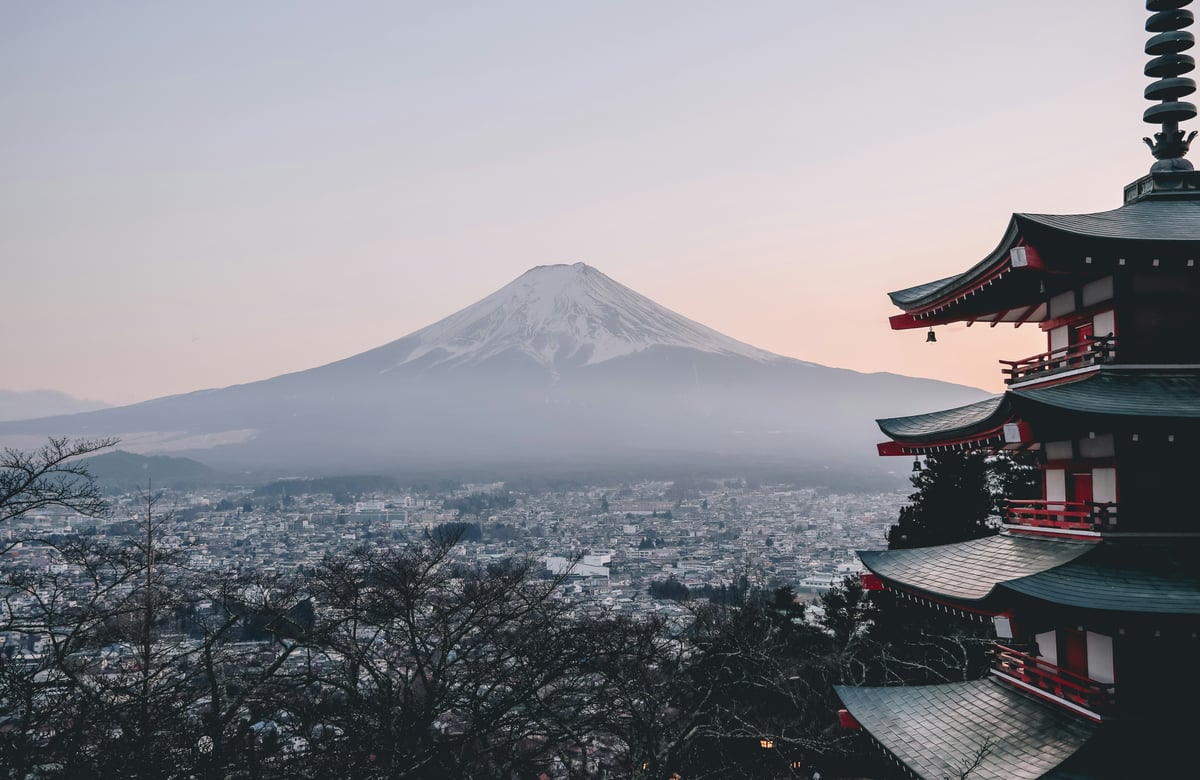
And few countries embody this alignment more than Japan.
…
Japan is not just a major economy in the Indo-Pacific — it is a democracy of principle, a strategic actor with advanced capabilities, and a steady partner in global security.
Over recent years, Tokyo has grown its defence cooperation, expanded its space and cyber capabilities, and strengthened its regional engagement.
Meanwhile, the nature of threat is shifting.
Autocratic states — Russia, North Korea, China — are cooperating increasingly.
…
I have long advocated for a ‘Democratic 7’ (D7): the EU, the UK, Japan, South Korea, Australia, New Zealand, and Canada.
Together, these nations account for roughly a quarter of global GDP and more than a third of global trade.
Yet what they share is deeper: a network of trust, rule-of-law, and open economy.
Within that framework, Japan stands out. Its contributions in space, defence and high-tech industries are world-class.
Europe should not view Tokyo as adjunct — it should view Japan as central to our strategy. From satellite systems to missile defence, from industrial innovation to standard-setting in critical technologies, Japan can be both partner and template.
…
That’s a great idea … but first you have to find these democratic countries … because a lot of the countries that are listed are not terribly great democracies
I’m in Canada and the way we run our electoral system here is not exactly democratic … it’s democratic once every four years when we get to elect our leaders (but even then the process is not exactly democratic because with FPTP voting, the chosen leader and leading party is hardly selected democratically) … every other time when its a non election year, common people hardly have a say in how the government is run.
Our country is run more like a Plutocracy … a government of the wealthy … rather than a democracy … a government of the people
Agreed, but I think it’s a question of the lesser of two evils. At least with a group like this any conversation of making improvements can be more productive.