

- cross-posted to:
- hackaday@ibbit.at
- cross-posted to:
- hackaday@ibbit.at
Makers beware!
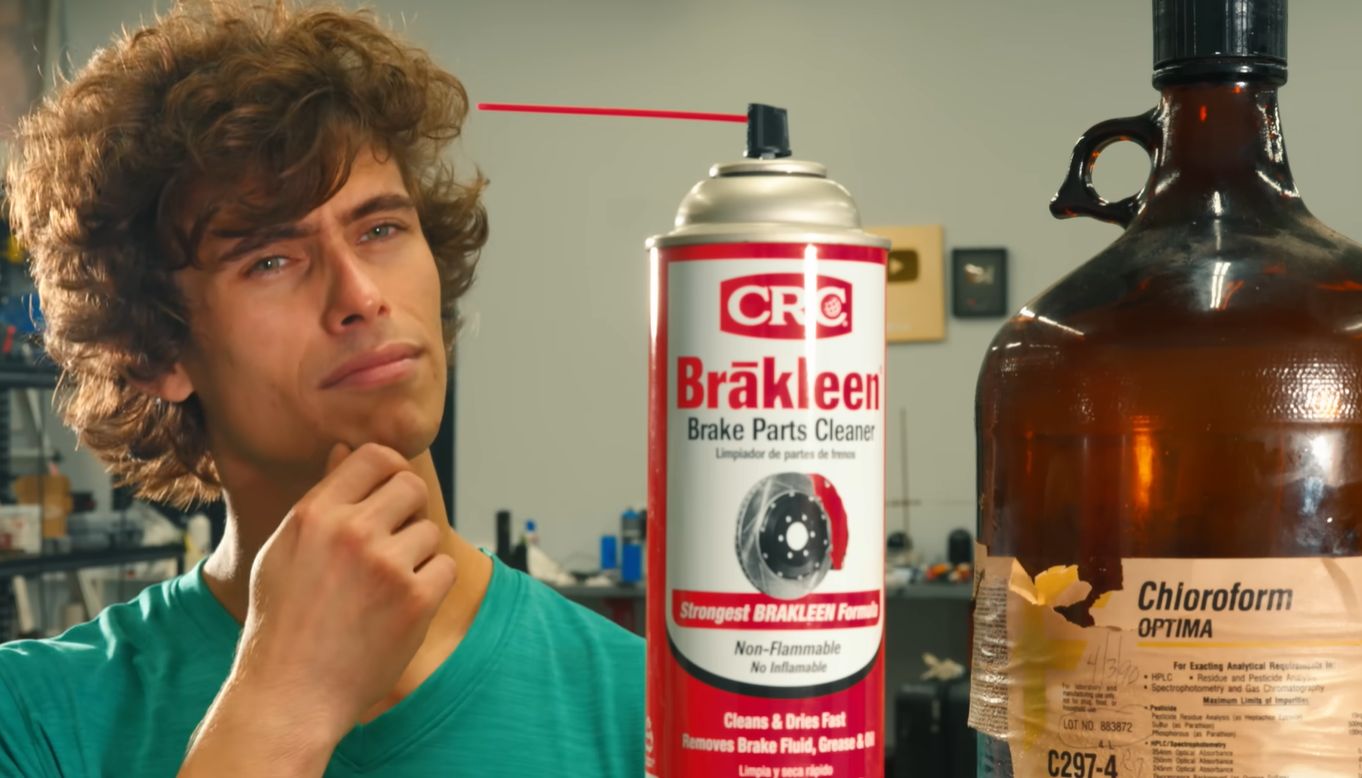
Much like with common household chemicals used for cleaning, such as bleach and ammonia, improper use of these can produce e.g. chlorine gas, which while harmful is generally not lethal. Things get much more serious with brake cleaner, containing tetrachloroethylene. As explained in the video, getting brake cleaner on a rusty part to clean it and then exposing it to the intensive energies of the welding process suffices to create phosgene.
Solvent does not remove rust.
You degrease the part, then manually remove the rust, then clean with the solvent just before welding. Acetone or alcohol are better cleaners for weld prep than brake cleaner. These solvents are volatile enough that most of the time, the part is dry and not-flammable by the time you get your gear on and are ready to weld.
The really damaging thing here is not the fire but if you use chlorinated brake cleaner when welding it created concentrated chlorine gas and will kill you.
Welding produces a ton of nasty fumes and you should ALWAYS be wearing a welding rated respirator and using a fume extractor when welding, especially with flux core, galvanized, or stainless unless you want extra nasty cancer.