

The intellectual elite always dangling that carrot (of hope) from a stick (of almost there).
Ill believe it when I see it.
So the thing with useful quantum computers is that if they ever do make it actually work and manage to scale it up, the first thing they will do is render most modern encryption obsolete over night. My guess is that Bluffdale has a mountain of encrypted data they’d start cracking immediately.
My cynicism can’t allow me to think that we’d hear about it until years after that backlog is cleared and the NSA (and now by extension Israel and Russia) have backdoored any network of interested 10 times over.
The far more likely scenario is that this like stable/cold-ish Fusion, practical graphene, CRiSPER miracle cures are still way more theory than driveable cars at this point and for next several years at least. These folks just want more money and have to keep claiming they are close to get it.
https://signal.org/blog/pqxdh/
Many companies already have transitioned to mathematically proven quantum resistant encryption.
Sure, some old stuff will be vulnerable, but we’ve known the risk for a while and have already started preparation.
There’s an area of research producing “quantum ready encryption”, which uses algorithms that are believed to be secure against quantum attacks. There’s been no wholesale migration to this yet, and the protection remains hypothetical until the attacks actually happen.
Wake me when they make the contemporary analog to the Apple 2e. Otherwise, this just sounds like a bunch of giant corporations that continue peacocking around in an effort to get VC money.
I applaud the scientists, however, who do this kind of stuff for the love of discovery. Good luck to all of them.
With the “vision” of current corporations… that won’t happen.
So, around 1947. Took about 14 years to get to being able to put into chips. So another decade and a half?
Edit: and another 15 to 25 years after that for it to be in consumer households?
I don’t think it will ever reach consumer households, since it requires extremely complex and expensive materials, tools and physical conditions. Unless a major breakthrough occurs but highly unlikely.
Also we don’t really have a use for them, at least to regular users. They won’t replace classical computers.
But you can already access some QCs online. IBM has a paid remote API for instance.
requires extremely complex and expensive materials, tools and physical conditions.
Counterpoint: they said the same thing when a computer was made of vacuum tubes and took up an entire room to add two digits.
Yeah but you have to consider one other thing. Before creating classical computers, we already had theorized them, we had algorithms etc. We knew why we were creating them.
For QC, the pace of hardware development is faster than our ability to create algorithms. It’s very similar to what’s happening with the AI bubble currently, we’re investing heavily in a new technology because it looks cool to investors, but we don’t even have enough algorithms to run on it. It’s just a shit ton of marketing…
Yeah, understood. I was just saying that because it doesn’t seem technically possible now, don’t discount that it could be in the future. Whether it would be useful, that’s another debate. But I have a hard time believing it has practical uses. If it does though, the innovation will be rapid like the shift to silicon transistors (assuming it is even possible).
Oh I’m not saying it is technically impossible, it’s the opposite actually, it’s developing extremely fast. And usefulness and having QCs in our homes aren’t that far apart to be honest. Why would John Doe have a QC at home if he’s not trying to create a new medication, or simulate a molecule? Probably for the same reasons he doesn’t have an MRI machine in his living room :)
From the byline:
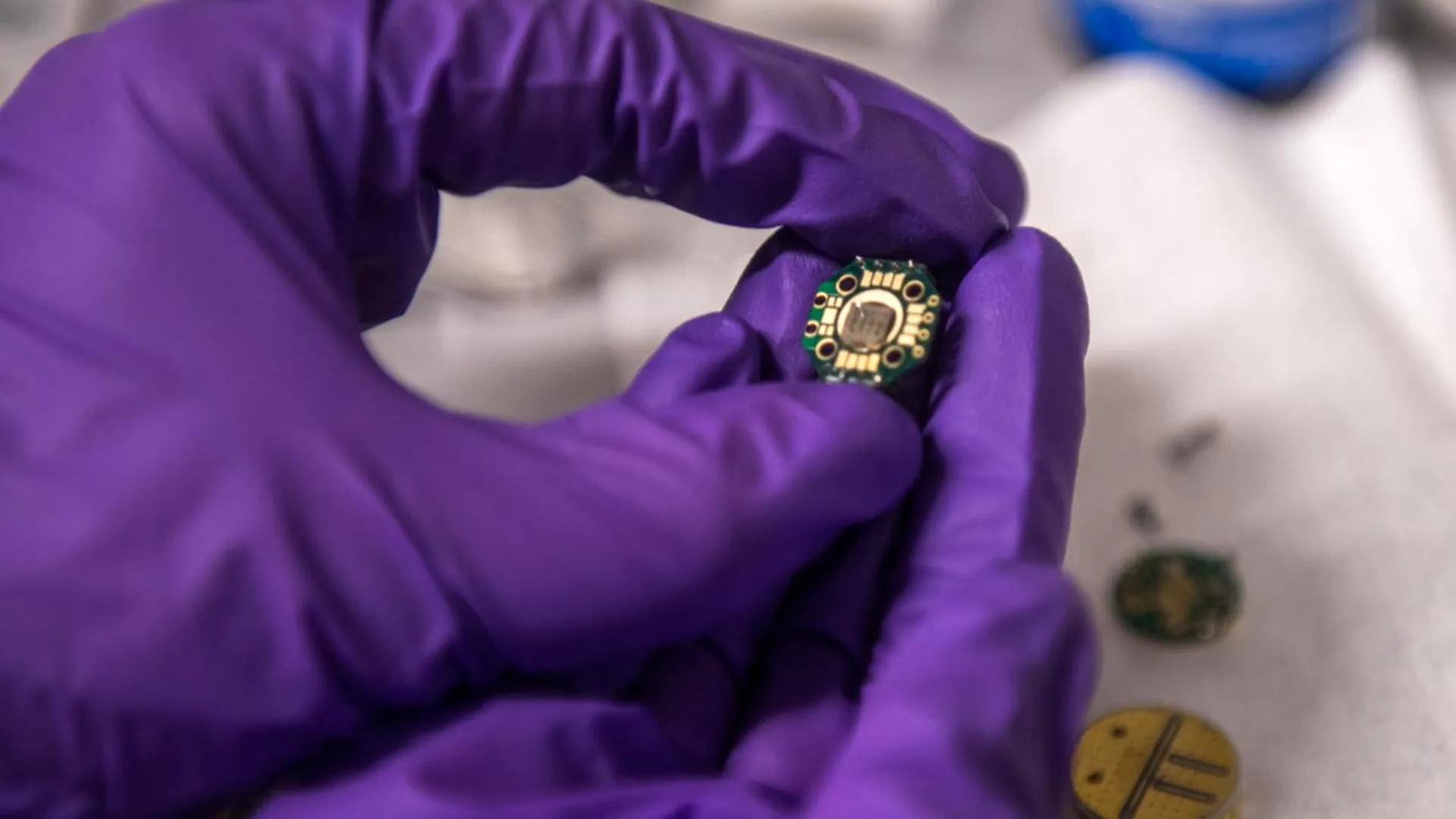
Quantum tech is at its transistor moment—promising, real, and powerful, but still years of hard work away from changing the world
So pretty much, yeah.
Well years could be 3 years or 300 years so that doesn’t really confirm OP’s guess.
In this case it’s probably both until observed.
Seeing as we now have a multitude of tools available to us that we didn’t have in 1947, I imagine it would be faster.
And an already existing consumer base with expectations that were only for hobbyists before…maybe that’s a bad thing, because it will constrain QC to evolve in ways that it would be better to explore rather than try to fit modern use cases (or worse: MBA-driven hype)
Bullshit.
science is being slopified
Call me if they create a basic calculator.