Neuroscientist Jared Cooney Horvath said older generations “screwed up” giving students access to so much technology: “I genuinely hope Gen Z quickly figures that out and gets mad.”
As someone in the classrooms (student teaching in fifth grade in Illinois), I don’t disagree that the tech provides this. However, I also see how it benefits the students with workflow and access to a diverse form on texts which is needed for a multitude of diverse learners whether they are multilingual, have a disability of some kind, are special education, or have IEPs or 504s.
The access to parents at home with instant ability to the same videos or resources as well as translation tools can mean more parental help for the kids.
What I see as the problem is that the way we measure students and their cognitive knowledge/capabilities hasn’t changed with how we teach. Everything is to the test and set up without any national standards. I see kids able to make some amazing inferences and see patterns with small prompting and the ability to deep think is there even with tech being a huge part of the classroom.


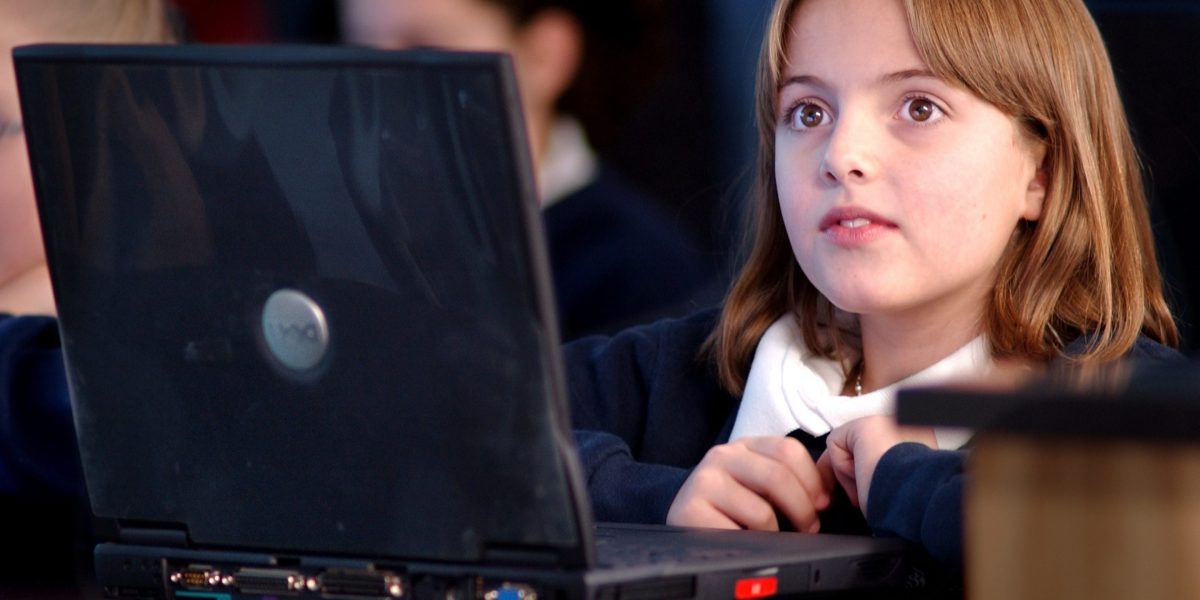
As someone in the classrooms (student teaching in fifth grade in Illinois), I don’t disagree that the tech provides this. However, I also see how it benefits the students with workflow and access to a diverse form on texts which is needed for a multitude of diverse learners whether they are multilingual, have a disability of some kind, are special education, or have IEPs or 504s.
The access to parents at home with instant ability to the same videos or resources as well as translation tools can mean more parental help for the kids.
What I see as the problem is that the way we measure students and their cognitive knowledge/capabilities hasn’t changed with how we teach. Everything is to the test and set up without any national standards. I see kids able to make some amazing inferences and see patterns with small prompting and the ability to deep think is there even with tech being a huge part of the classroom.