I mean, the real answer isn’t much better. “Because humans bred greyhounds to go fast, and bred pugs to have pug-noses”
Life just ain’t fair, man.

I mean, the real answer isn’t much better. “Because humans bred greyhounds to go fast, and bred pugs to have pug-noses”
Life just ain’t fair, man.

I’m not sure what you mean by “it doesn’t follow.” It absolutely does.
If you use a tool for one specific task, and that tool is also useful for other, functionally identical tasks, you’re probably going to use that tool for the second task.
Like if a carpenter uses a Stanley #4 bench plane to finish a table top, they’re probably also going to use it for finish a cabinet’s top or side walls, etc.
Similarly, if a carpenter uses a jig saw to cross cut a board, it’s likely they’re also perfectly okay with using powered drills.
So if someone uses generative ai to create a thumbnail for the video, they’re likely to use it to create other graphics in the video.
If someone uses generative ai for those tasks, they’re also likely to use LLMs or other ai tools for other tasks.
Some one already using Ai is more likely to use AI again.
I don’t care whose fault it is, content creators aren’t entitled to my clicks. I have no obligation to click any video on YouTube, never mind watch the full thing.
If the thumbnail is ai slop, I have exactly zero reasons to believe the rest of it won’t also have ai slop. The creator can make whatever choices they want.
But I have no obligation to that creator. So when I decide that the use of AI is unethical, and pass on any video that uses it- that’s fully my choice. Similarly peole snarking on the comments or downvoting it… that’s also their choice. (I’m not even sure its legitimately a brigade. Knowing nothing else about the matter, I’m skeptical.)
If they’re using ai for the thumbnail… they’re probably using AI elsewhere in the video. And yes, you absolutely are supposed to judge a book by the cover. That’s the whole point of cover art/dustjackets- to tell you what’s inside.
Further, even if that’s not true, they’re still okay with the ethical failings of ai-generated art.

“Meooooow.”
“I ain’t been smoking no grass!”

… I didn’t have a cat?
it should also be noted that the station has bus connections that jump onto (and come off from,) the highway, serving as a connection between busses coming from places trains don’t run to the train.
who…eh… needs a blanket?

Not too big, Not too small.
I don’t think they fit, exactly…
still sitting, so I dunno.

i mean, when you become a siren’s dinner… you technically don’t have any debt.
!It’s really fun when they start arguing and blowing each others minds.
And I bet they’d introduce the kitty to the power of sudo pretty quickly… though giving the new murder hobo the power of sudo seems less wise than teaching Microsoft support peeps the power of grep.

This how you know Microsoft is behind on forcing AI into everything.
Probably lost the race, in fact.
I spent far too much time looking for a second cat under the blanket.
The only exception I’d give is to defrost the windshield since you can really drive like that.
Which is a regular need for a lot of people in the north. I’d make a comment about Minnesota being like that, but the Canadians would chime in and be like “oh you think thats cold”.
Not that I mind Canadians so much, it’s just I’m grumpy they haven’t invaded us yet.
It depends on where you are- and usually it’s basically on the same level as a parking ticket, and frequently at the city level, not state. Most cities will say something and you can get out of it by arguing “you’ve done it for years and so does everyone else” (it’s usually only enforced if you annoy the cops some how.)
So at the risk of being “that guy”, cars eventually turn themselves off. It’s also frequently some degree of illegal to leave your car running and unattended in a lot of places.
Like in Minnesota, can’t start the car and let it warm up. (Partly to reduce the opportunity of thieves. Partly because people get distracted and let it go for hours, affecting air quality. And partly because their tiny dicks froze.)

they make some plugins to help with that.
They don’t just save lives. They do, and that’s the important thing. But they also make traffic better for everyone. including the dumbass that wants to remove them.
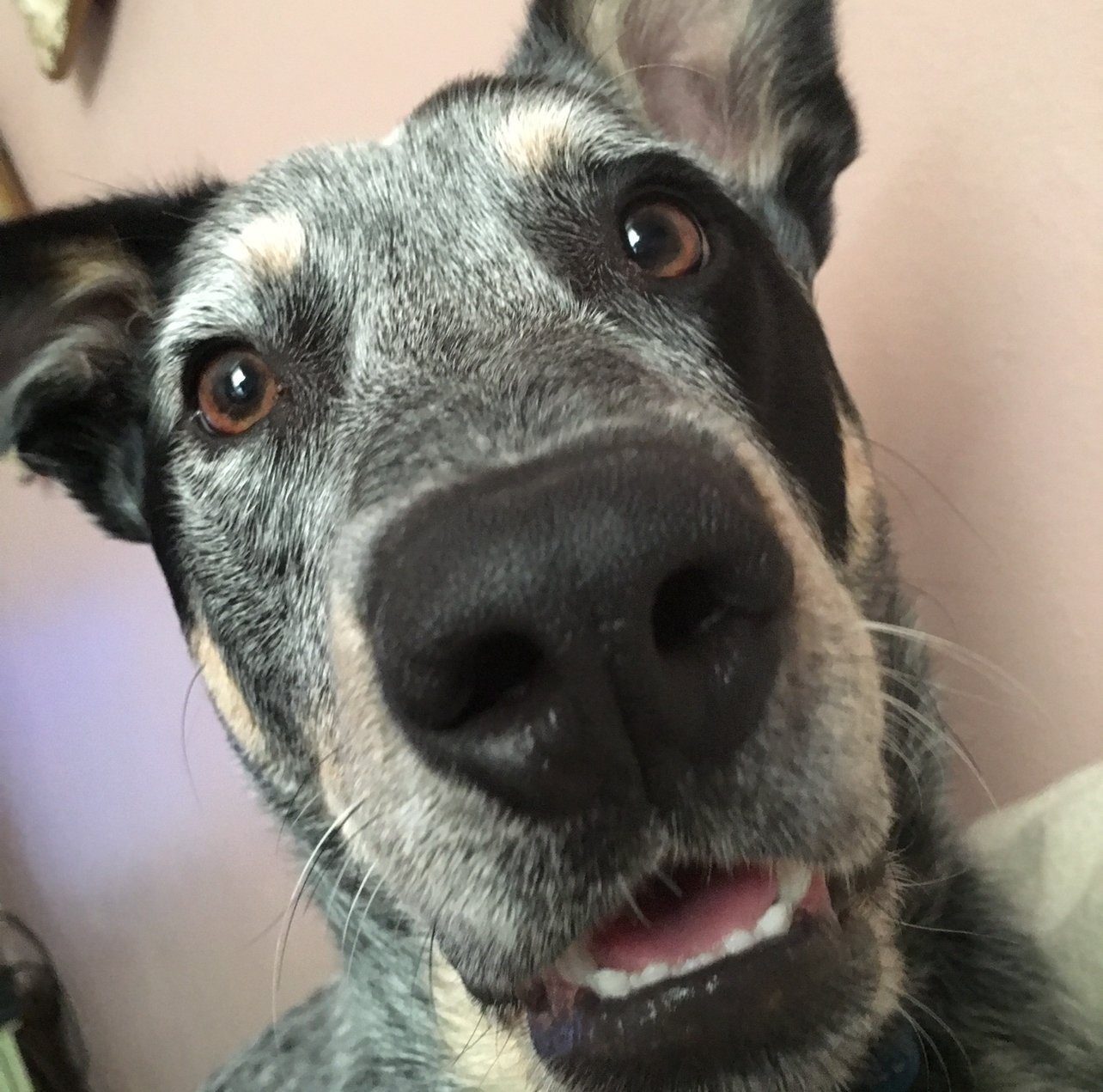


That yellow lab is cracking me up.