
I don’t know why I didn’t think of it earlier, but what about Astroneer? It’s closer to an adventure sim with rpg elements to it, but it’s entirely about exploration and crafting all of your adventuring gear and your home base(s).
Small scale permaculture nursery in Maine, education enthusiast, and usually verbose.
- 56 Posts
- 16 Comments
Joined 3 years ago
Cake day: June 10th, 2023
You are not logged in. If you use a Fediverse account that is able to follow users, you can follow this user.
+1 for the monster hunter games, everything is crafted from monsters you hunt and there are tons of ways to customize your gameplay based on your play style and what you craft.
The Etrian Odyssey series also bases what you can craft on what you can find, but crafting is less in-depth than MH. That said, you also make all the maps which is a huge bonus in my book
 4·5 months ago
I don’t advocate use of urine for folks on persistent medications and the like, but otherwise the guidelines I use are pretty basic:
Direct use is fine for plants not being used for consumption, or for trees and shrubs where the food portion is off the ground and away from splash back. If they’re where others can see you it might be better to use a container to be more discreet.
Anything else will get a helping of the homemade compost with homemade charcoal that’s been used to sequester the nutrients (also homemade).
Iirc many of the contaminants will be salts which will get flushed with irrigation or precipitation, but folks can also just dilute urea with water 10:1 or more to reduce the likelihood of salt buildup in the soil
Sure do. Got about a thousand seedlings in the grow closet waiting for slightly higher outside temps

 1·7 months ago
I can’t really tell you about your situation, but my wife and I did the math for our ROI on a set of roof mounted panels by assuming that the power company would continue raising rates. We averaged the delivery increases and generation cost increases over the number of years we had been in our home, then ran that annual increase over the lifespan of the panels. Rather than being a twelve year break even point it worked out to about seven. In our case, Maine has okay laws about net metering so check what your state and municipality’s regulations about it are. Look at your overall financial picture. If you can’t do it without a loan, shop for your own loan rather than just taking the installer’s.
To answer your question anecdotally, this past summer we were very happy to only pay our grid connection fee of $18 monthly while our neighbors complained about $300 (or higher) each month. You might not hit your full generation needs, but you might make enough of a dent to make it worth your investment
 0·2 years ago
We got ours from a larger farm nearby a few years ago - they had purchased a soy based fertilizer and the distributor didn’t have any return/recycle incentives so the farmer was selling them on the cheap. I think we found the guy through the farm & garden craigslist section but I can’t really speak to how reliable that is anymore. If you’ve got a winter farmers market around you it might be worth asking around there (I’m loathe to suggest fb marketplace but if you’re already there that might be convenient as well)
We have solar panels and a backup battery for when the grid goes down. Our panels generate more than we generally use (we overbuilt on purpose) but we could run almost indefinitely as long as the panels are clear. There are two totes hooked up to a gutter on the back of our garage which provide 550 gallons of water storage that we use to water gardens and top up our duck pond. The ducks and chickens do most of our insect maintenance in the gardens.
I’m working on additional shelving in our cellar in order to be able to store more of our canning from the gardens; most of the material is reclaimed pallet wood from a nearby business. We’ve also got two slightly damaged solar panels that I’d like to use to circulate the water in the duck pond - pump and lift to flow through some uphill garden space back down to the pond after it’s been filtered by the plants - and to provide some power to the bird coop for water heaters and maybe a light source.
 1·2 years ago
That’s what I’ve used them for as well =D
Happy planning / planting!
You can check out the toolkit over at Permapeople.org, though I’m unsure exactly how open the codebase is. I do know they’re hoping to make it community run in the future, and that the devs share pretty much whatever is asked of them.
Less in the spirit of your question, but something I’ve used relatively extensively is the mymaps.google tool. Here’s hoping someone with some better answers than me comes along (and I remember to check back) to give additional alternatives
 0·2 years ago
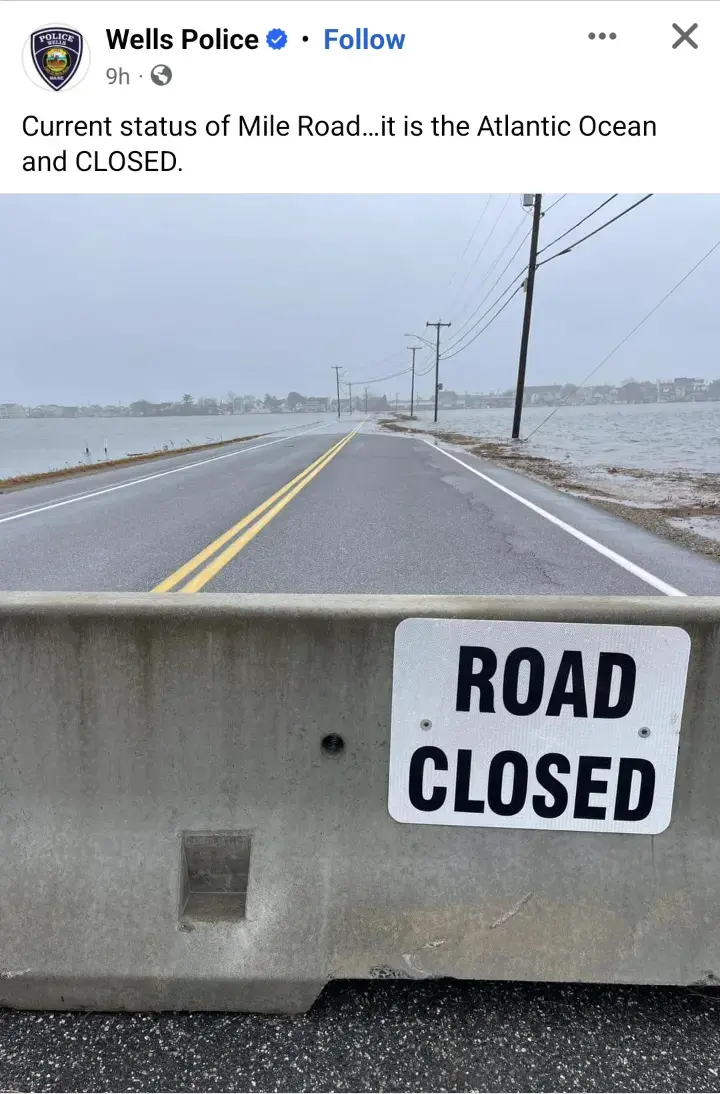
Last year a hurricane came up the coast all the way to Maine rather than being pushed out to sea, and a number of the coastal towns around us saw millions of dollars worth of damage despite how much the storm had weakened over cooler waters. A few days later I was able to get over to my grandmother’s old house to check the damage for my aunt and could barely believe the devastation - piles of sand, seaweed, jersey barriers crammed against each other all akimbo, and mountains of flood damaged property waiting to be hauled away. All just from the storm surge.
Why a few days later, you ask?
I know grifters and charlatans infest every industry, but it feels especially bad when they’re taking advantage of folks who are trying to do positive things. It’s a shame these state attorneys general aren’t chomping at the bit to combat these scams.
For our New England peeps: we’ve had a really good experience with ReVision Energy. They’ve linked us to the state webpages with explanations of tax incentives and other programs that impact our plans, are a worker-owned co-op, and have been pleasant to work with. When we had some panels that weren’t producing what they should, they warrantied them but ended up allowing us to keep two panels for our own separate solar plans and the techs even sent us links to resources for those projects.
 0·2 years ago
I’ve been pretty happy with HedgeCam2 for still photos - good shots without mucking about in settings but there are tons of settings you can fiddle with








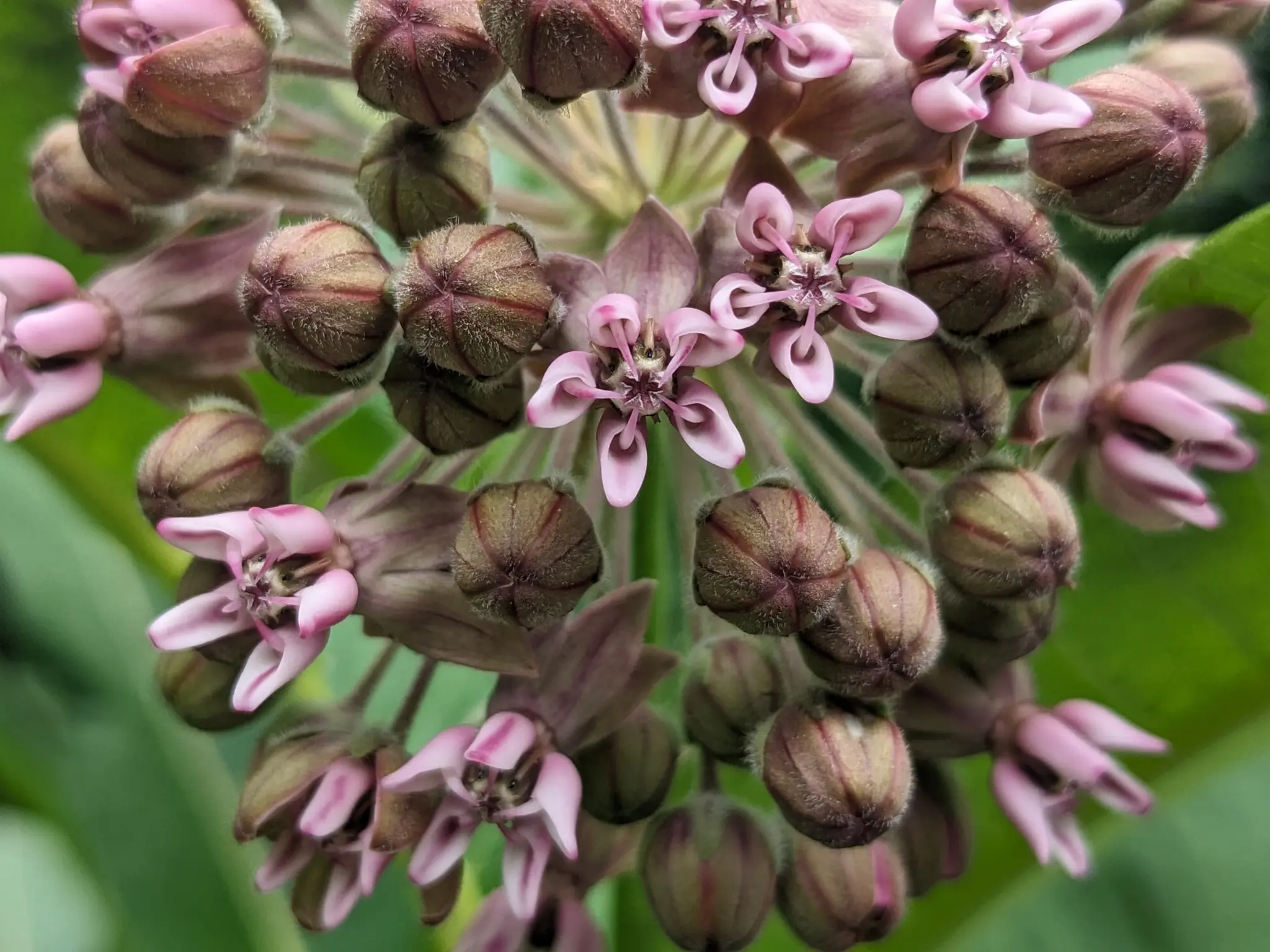
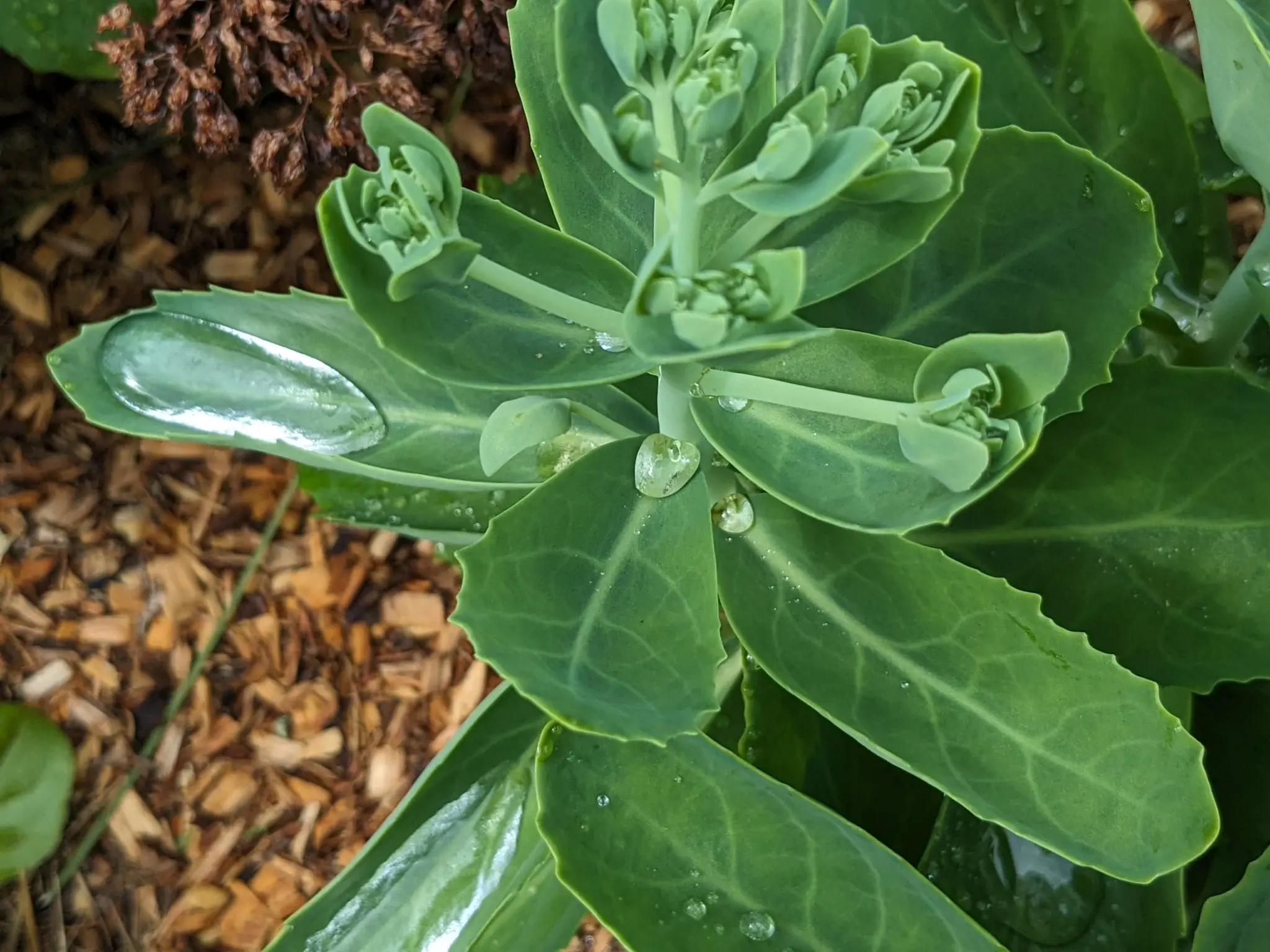
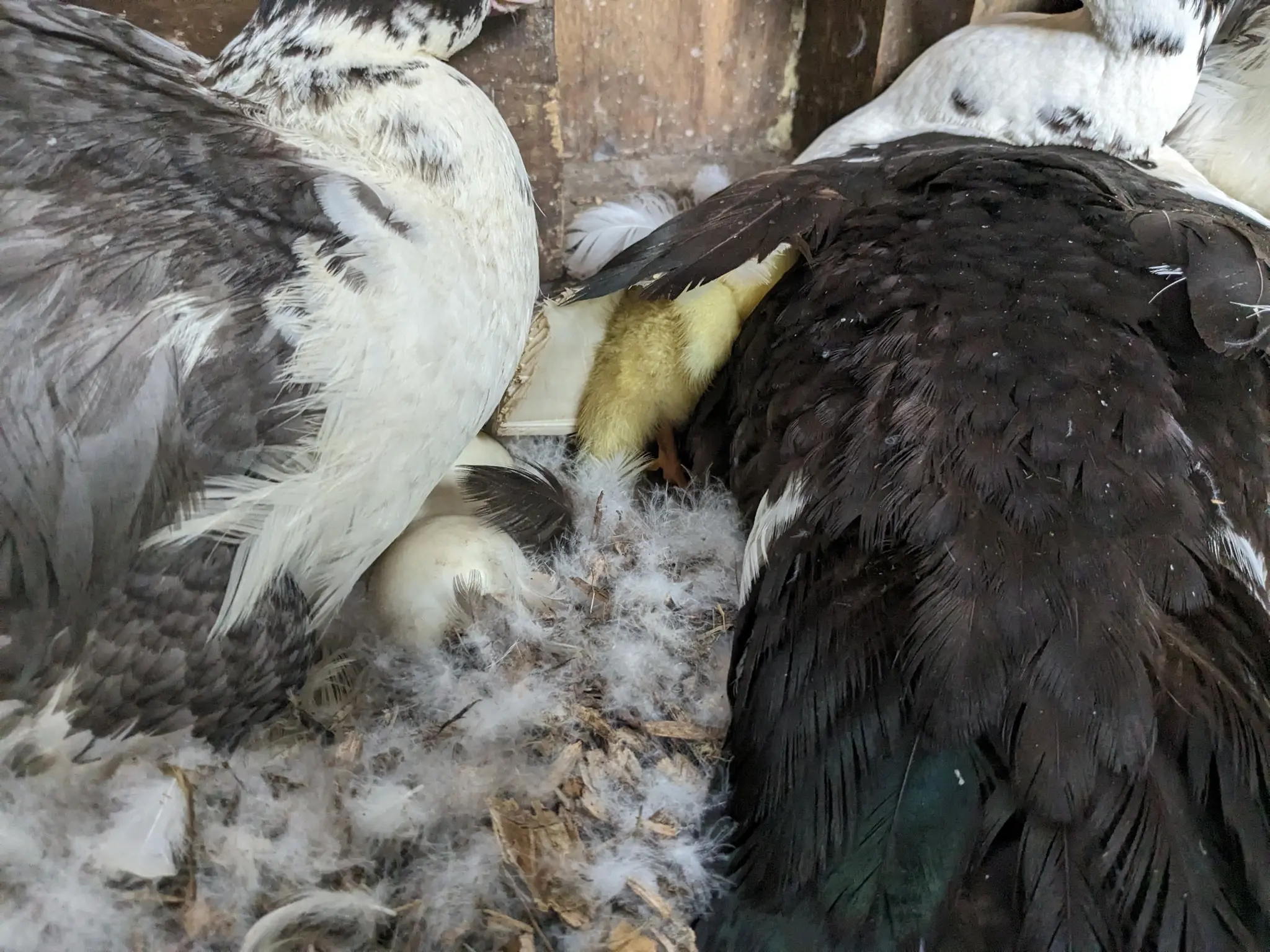

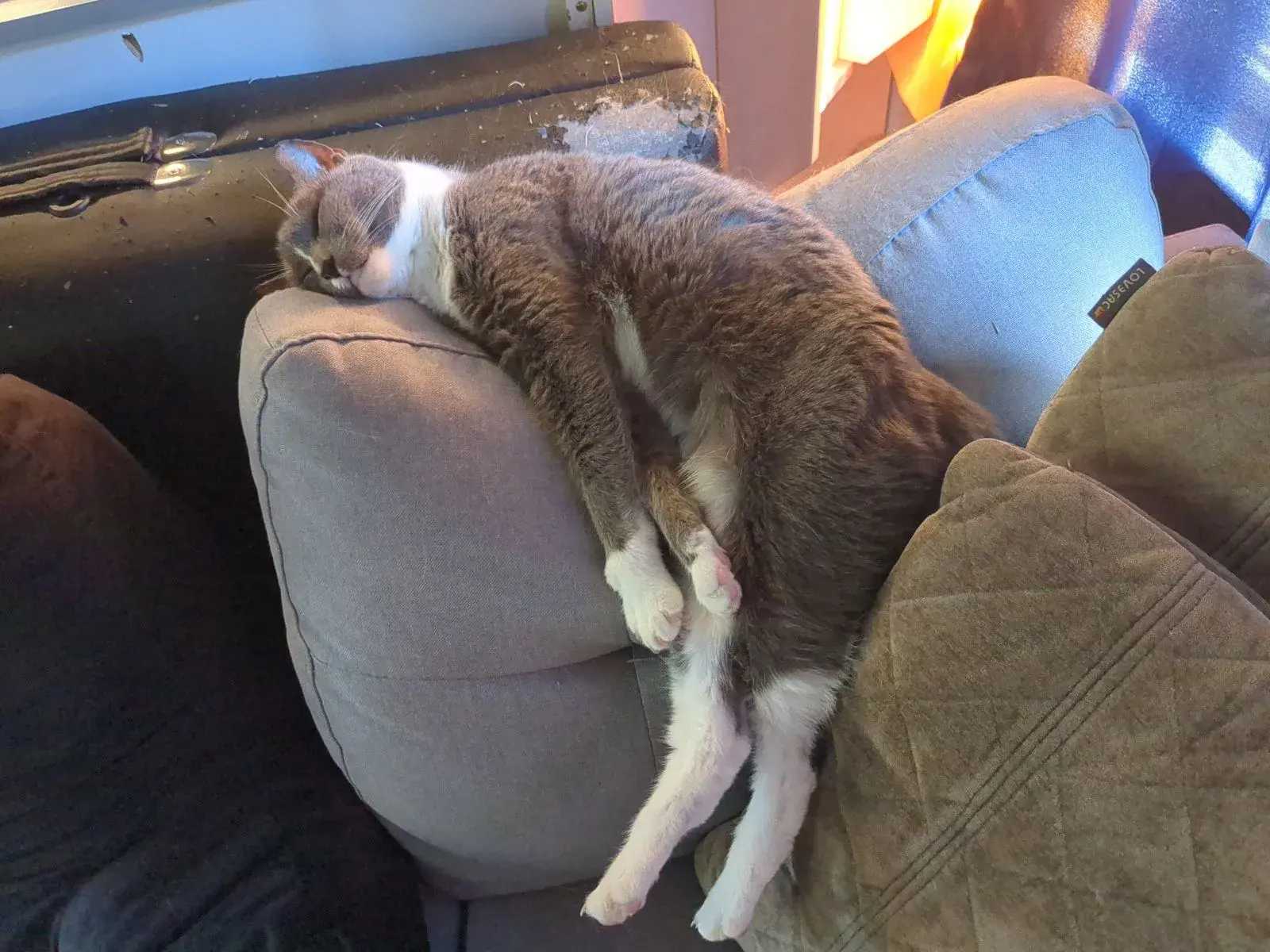

My understanding is that many of them have charters which have elected board positions, though there are some which are privately owned communities in which that is not the case. Those board meetings and elections tend to face the same engagement and participation challenges as municipal meetings and elections among the age groups best positioned/inclined to make the changes.
Armchair quarterback opinion, since I don’t have personal adult experience living in one, but I think it might be doable running with a “remove bs fees” position coupled with “remove petty board members” based on conversations with friends and internet strangers.
I keep trying to radicalize my HOA-laden friends to get some folks together and take over the boards in order to institute rules which would promote biodiversity, rather than sterile carbon copy neighborhoods.
Instead of fines for letting plants grow above certain heights, set ones for not having enough plants. Since that’s punitive and financially unavailable for some people, submit grant proposals and partnerships to have funding for additional plantings to support various threatened species or ecosystems as appropriate.
 1·3 years ago
No but I have experience with my Sudo:

I’ve been playing the coop online with a buddy and having a blast; from what I can tell the procgen is pretty much for raw material placement and the layout of some of the ‘naturally’ occurring tunnels and caverns.
Everything else feels stylized and I happen to like the art style, so it all feels handcrafted to me. If you’re referring to the pool of craftable items, there’s a slew of things to make but they’re all very similarly themed which makes sense given that they’re all 3d printed planetary exploration tools.