
- 27 Posts
- 459 Comments
 2·6 days ago
Is this relevant when using built-in zstd compression on ZFS?
 7·8 days ago
but it can’t be
Not true. You can absolutely implement a boolean true/false function on an ID card. German IDs already have that. All you need is a compatible reader (future versions will work over NFC afaik).
 5·16 days ago
Context?
 7·16 days ago
I’m old enough to instantly ignore every new attempt of making a modular phone.
 7·18 days ago
No accelerated XeSS upscaling yet.
Don’t you love that Valve named their new controller also just “Steam Controller”, so now I have no idea if you are talking about the new one or the original one or both?
For Linux? Not at all.
For PC related tech? Well, I find it entertaining, but I don’t find their content useful anymore.
It’s a jet for his company though, right?
What?
 1·1 month ago
Does this provide any advantage when you have enough fan/rgb headers on the mainboard already?
There are open-source third-party clients already (at least for downloading/installing games). I don’t see why I would want to downgrade to a proprietary app. That being said, I download games via the website, so I’m probably not the target audience anyway.
deleted by creator
If it’s not open-source I’m not interested.
Can’t help youhere unfortunately, as I would have thought that this is the most likely cause as well.
I’m just commenting to say: Please let us know if you found a solution to the problem. I’m very interested to know what might have caused this.
 1·1 month ago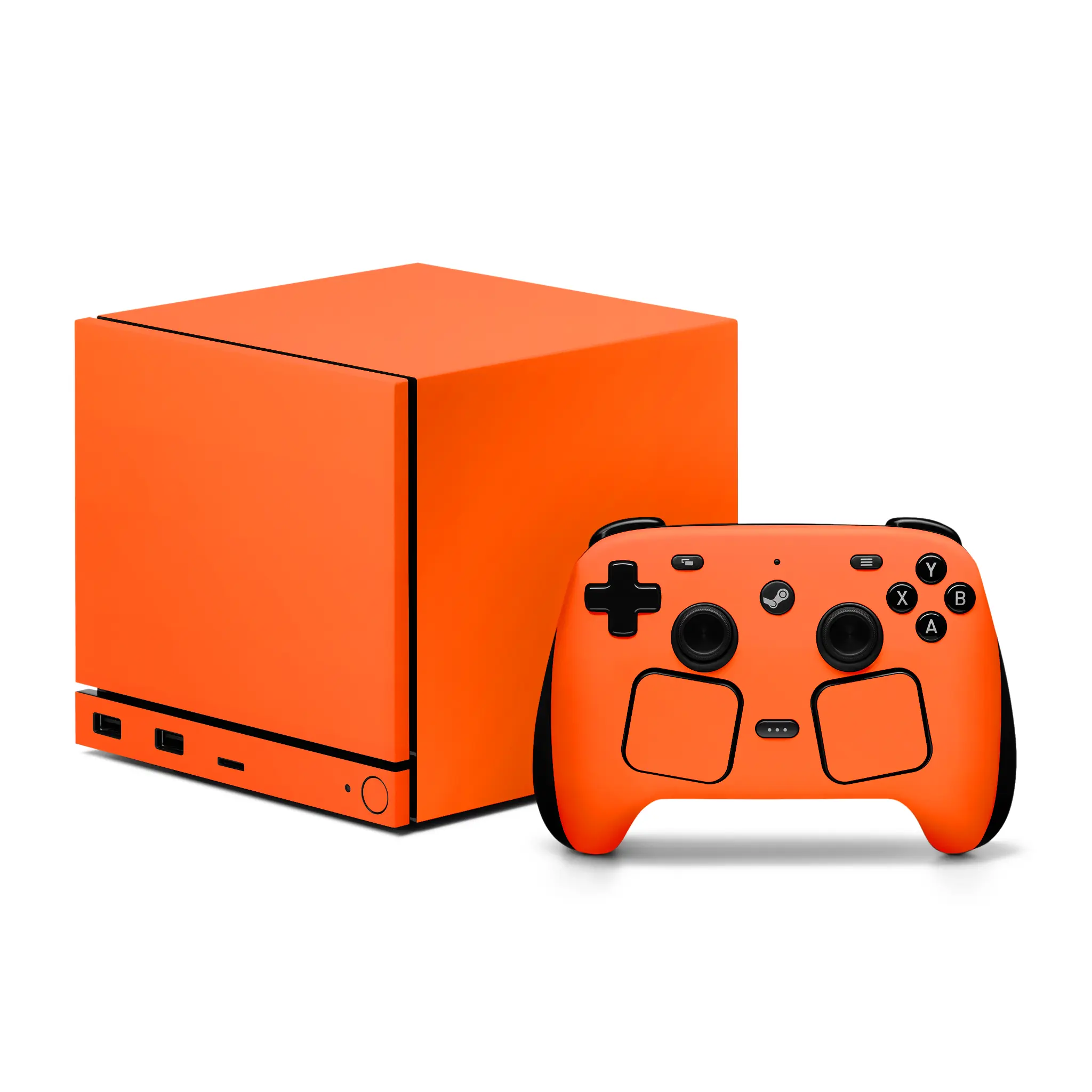

I think those two look neat, ¯\(ツ)/¯
 1·1 month ago
I actually needed to look that up, since I didn’t know either. So, thank you, I’ve learned something new because of your question.
          d/s    The number (after merges) of discard requests
                 completed per second for the device.

          f/s    The number (after merges) of flush requests
                 completed per second for the device.  This counts
                 flush requests executed by disks. Flush requests are
                 not tracked for partitions.  Before being merged,
                 flush operations are counted as writes.
https://man7.org/linux/man-pages/man1/iostat.1.html
(Discards being TRIM operations on SSDs, I imagine.)
Yep, that was the issue.









Normal calls, no matter whether via 5G, 4G, 3G, whatever, even phone wire, are not end-to-end encrypted.