
Novi Sad
If you’re interested in (co-)moderating any of the communities created by me, you’re welcome to message me.
I also have the account @Novocirab@jlai.lu. Furthermore, I operate the bot account @daswetter@feddit.org, which posts in !daswetter@feddit.org.
- 50 Posts
- 105 Comments

 14·1 个月前
Good article. The most important points imo are these:
Despite the recent momentum, advocates like Marthews worry that too much of the pushback is limited to Flock itself. Even now, competitors like Axon smell blood in the water, and they’re moving in to capitalize on the widespread public scrutiny of the company. It highlights what privacy advocates see as a critical vulnerability in the current tech backlash movement — the tendency to focus on one or two highly villainized companies instead of the technologies and systems themselves.
“… I think it’s an important moment because reformers are talking more and more about ‘guardrails,’ when the proper solution is abolition.”


Superb, thank you for sharing!!

 5·4 个月前
The longest line here, in tinylisp.c, is 120 chars though.
 5·4 个月前
Doubled compared to what?
This perhaps answers your question (although the length of the measurement intervals (before/after) is not specified):
When we launched, the number of people completing the form doubled.
How did 96% satisfaction get calculated earlier, if there were so many users whose needs were not met?
The 96% (or whatever the exact threshold is) seems to be a requirement imposed by law, so that it’s probably measured through some external procedure:
Adding a lot of pressure, this was a regulated monopoly, and if their customer satisfaction dropped below 96% (if I remember correctly) it could result in millions of pounds in fines.
 9·4 个月前
… which should make you wonder even more why they chose to have this video deleted.
The answer is obvious, by the way. Acting like a charity is how they plan to build their business. Play their game if you want to, we won’t.
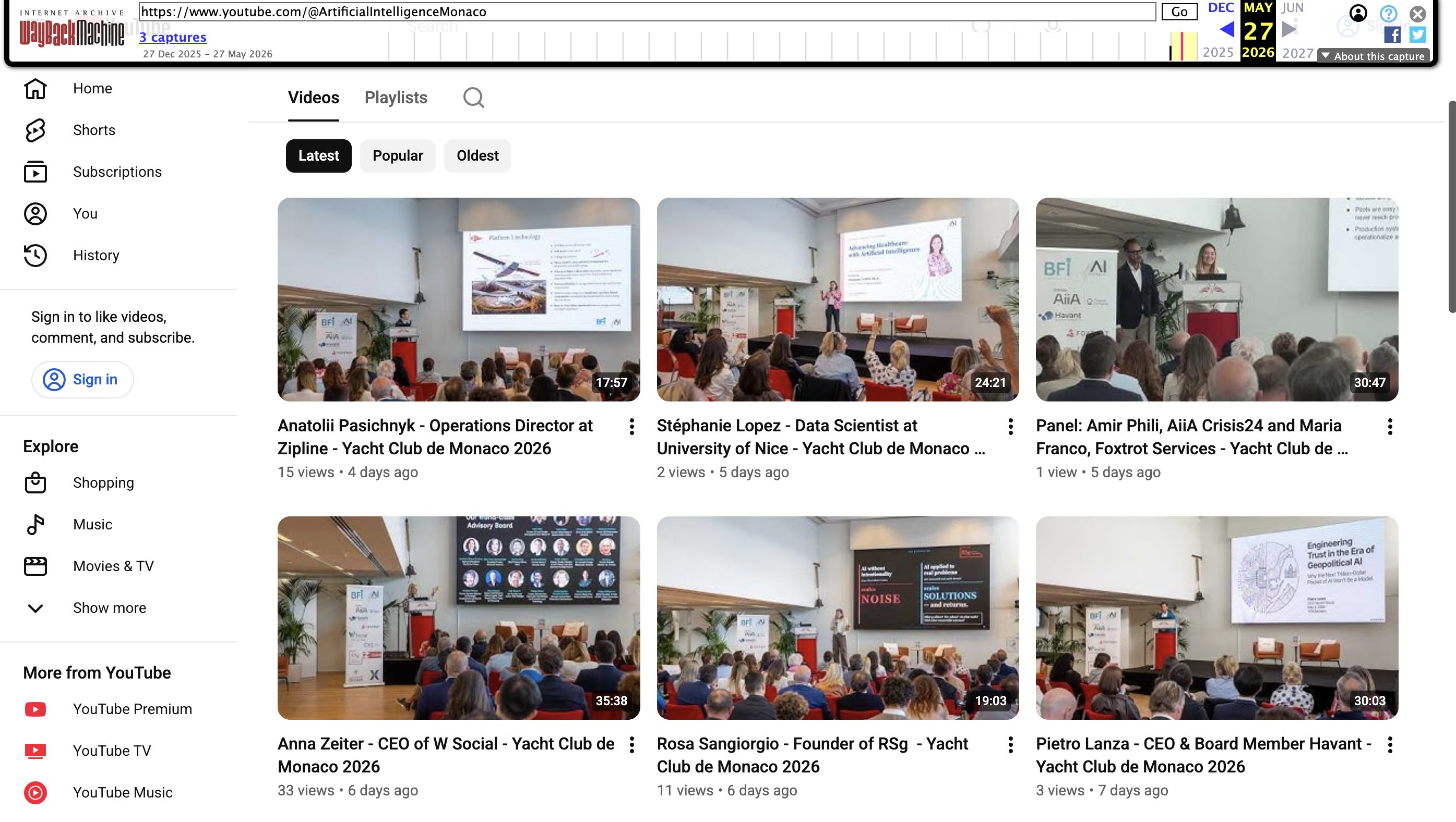
More details in Elena Rossini’s blog: https://blog.elenarossini.com/the-untold-story-about-w-social-unconventional-beginnings-strategic-pitches-conflicting-signals/
Roughly from high level to low level:
- uBlock custom filters
- Make pages unusable or less attractive by wonky per-site browser or extension settings
- IP and DNS blocks on your local machine
- Run a DNS proxy on your local machine and block domains with it
- Host a pihole server on a different machine, make it your DNS server and block domains there
- IP and DNS blocks in your router (if your current one has no option for this, consider buying another, preferably used)
Best apply the methods arbitrarily, so that you get even more confused about how you might restore access to a given website.
Options 5 and 6 may be the only viable ones for locking down certain smartphones or tablets.

 3·4 个月前
In Firefox & LibreWolf it’s native:
Settings -> Privacy and Security -> section “Cookies and website data” -> “Manage Exceptions”
You may want to start using Tor especially for your current Librewolf use case. Compare fingerprinting
You should add permissions for select sites to store their cookies permanently. This reduces the annoyance dramatically.
 2·4 个月前
Good that you point that out, and thanks for the link. Also, here’s the paint mentioned in the article:
https://rhinoluxe.co.za/products/rhinoluxe-heat-reflect (South African company website, and it seems that it needs to be applied on top of certain primer(s) linked there below)


 6·4 个月前
Ecosia
Kagi if you’re willing to pay (to an American company) for really high quality search results, e.g. for deep technical or scientific work
Startpage gives a good search experience; it uses Google’s index. I’ve read that they’re owned by an ad company though, casting doubt on their privacy claims
Qwant is also liked by a decent number of people, but I think there are issues about the behavior of the company behind it
 10·4 个月前
Sweet. A question though: Why on Microsoft GitHub and not on Codeberg?
In case someone needs an alternative, the SambaLite app by edgels from F-Droid is pretty easy to use (requiring a Samba setup on your PC, of course).


Vimium is sweet, been running it on Librewolf for a month. What sucks though is that
Alt+Numberfor activating tabs does not work (Github issue).Make sure to add exception rules for specific websites. For instance, on video sites like PeerTube and YouTube, exempt at least the keys
f m h j k l.


Extremely important, thanks.
What about the recommendation that, if one does approach them directly, one should do so with a leg rather than an arm?

See the archive link: https://web.archive.org/web/20260523203542/https://slate.com/technology/2013/06/rescuing-drowning-children-how-to-know-when-someone-is-in-trouble-in-the-water.html
Also, it seems like the paywall is just on the client-side, and (at least in my case) just uBlock origin removes it








Accessibility direly needs more volunteer work in almost all projects. So you could, for example, pick your favorite desktop and get involved in their accessibility efforts (e.g. start here for KDE).