

Sunshine
Mark Carney is Canada’s Palpatine.
Liberals would rather usher in fascism than give people a fair electoral system.
Bills that will kill Canadians’ privacy:
c-22 by Gary Anandasangaree. Will introduce 6 month metadata retention for service providers and share canadian data with US authorities.
s-209 by Julie Miville-Dechêne. Will introduce age verification.
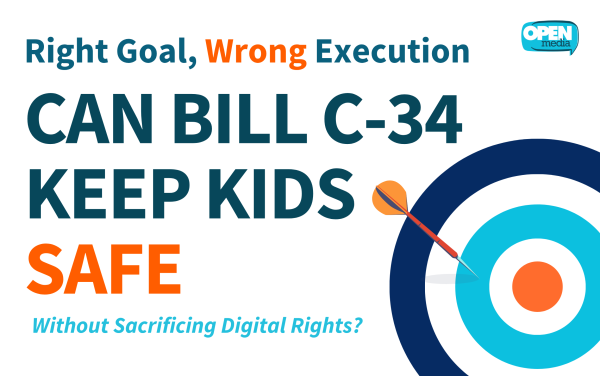
c-34 by Marc Miller. Second way to introduce age verification. Yes that guy who called privacy critics of c-22 tinfoil hats.
The federal government is also working to have the US Cloud Act apply to Canadian data on Canadian soil hosted by Canadian companies.
- 1.83K Posts
- 740 Comments


 3·11 hours ago
Thanks to this campaign’s work, activist pressure, and sympathetic politicians, P.E.I. was the first province to introduce legislation limiting the use of NDAs in settlement agreements. We are now starting to see the cultural impacts of taking a more critical approach to NDAs. The University of Prince Edward Island released two staff from NDAs that had muzzled them for 12 years.
only four Canadian post-secondary institutions (Acadia University, Atlantic School of Theology, Columbia College, and University of King’s College) have signed the pledge not to use NDAs to silence people who come forward to raise complaints of sexual harassment, discrimination, abuse or misconduct, or other forms of harassment and bullying.
One of the symptoms of this insidious culture is the people who leave institutions and academia because of it. From being told to finish their degree under the supervisor harassing them to suffering health issues to needing to prioritize their safety, many of our Open Secrets participants shared how their experiences of violence, poorly designed complaint processes, and lack of accountability ultimately led to their exiting the institution.
This represents a huge loss for our academic and campus communities, particularly given that members of marginalized groups are often overrepresented among survivors of sexual violence. It erodes any trust between the institution and community and allows repeat offenders to continue.
 4·11 hours ago
Well you see gop lawmakers want more power or they start panicking.
I just saw some Japanese people repeating misinformation on EVs on the Reddit
Honda and Sony are becoming really unpopular eh
C’mon Honda make EVs already!

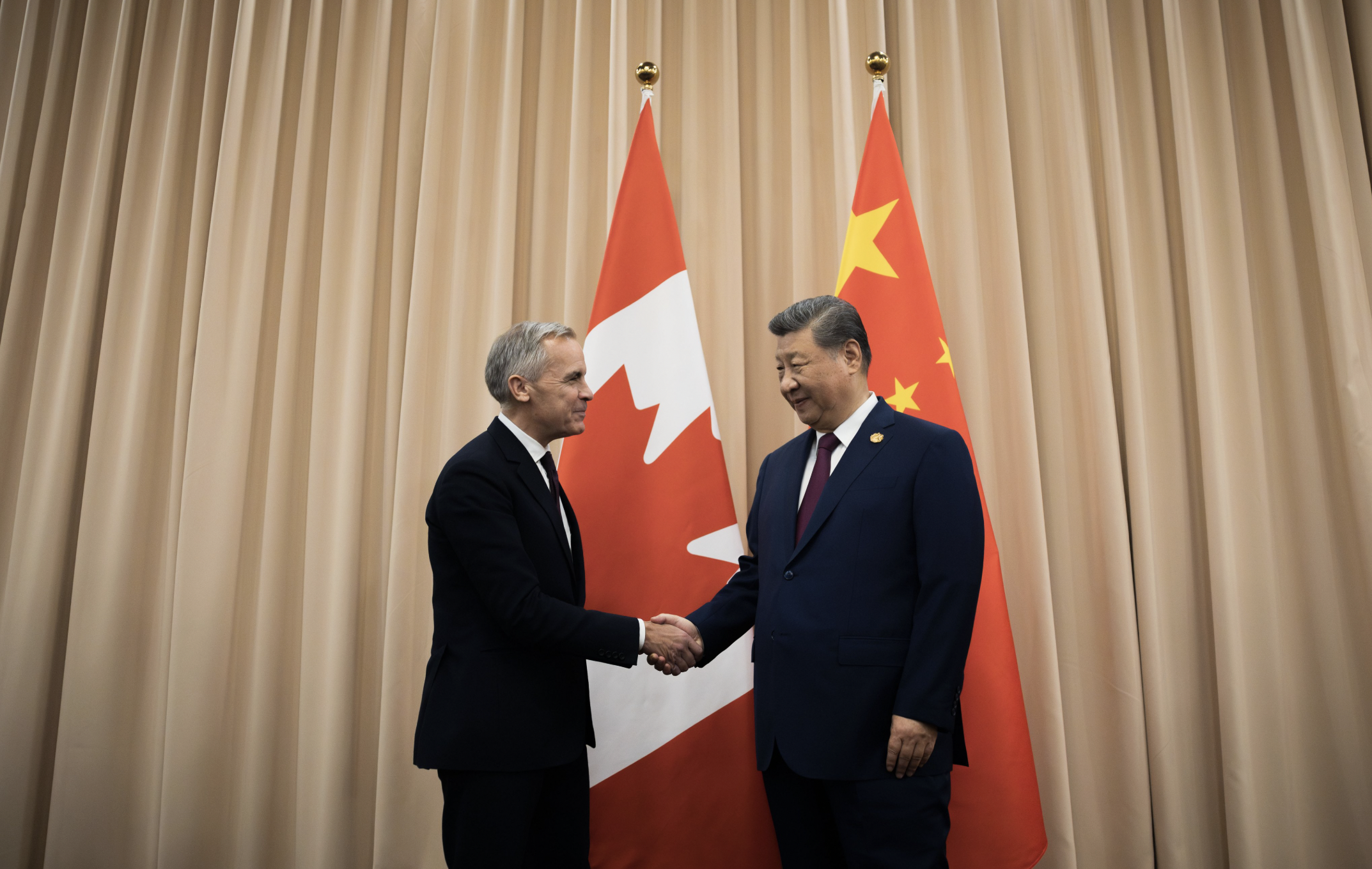

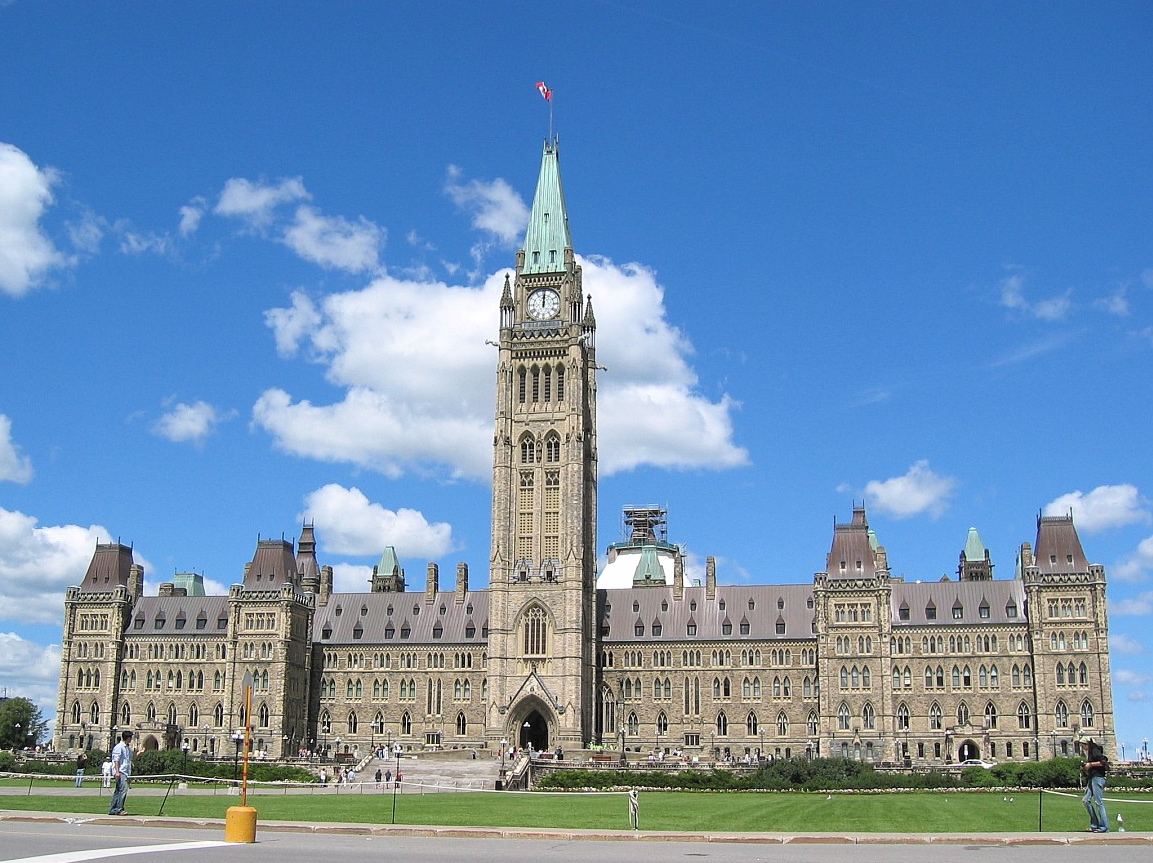
The CBC is also more critical of leftist parties. Impartial my foot.
Night Owl is disrespecting the victims of Bucha.

Get this tankie bull out of here.
Say no to disinformation centres and yes to fledgling artists.

 1·22 hours ago
BC Conservatives and American Republicans: healthcare is not a human right!
 1·1 day ago
Especially Latin America even the Parti Québécois
The USA is the next nazi germany.
Disinformation Centres pushed for Flavio Bolsonaro relentlessly.
 3·1 day ago
Morocco promised to hold a referendum on Western Sahara’s independence but then never did also the UN recognized the Polisario Front as the legitimate representatives.
What about the Western Sahara flag 🇪🇭
Since Morocco’s government is working with Trump nowadays.
Gary Anandasangaree is the bill’s proponent.
What’s their deal?




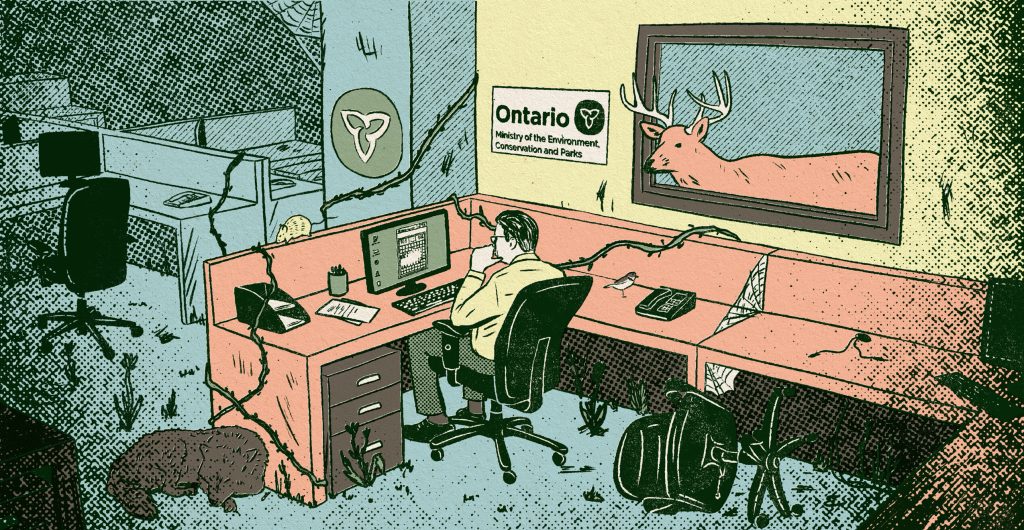
We need to ON NDP to supplant the ON PC already! Where’s Ontario’s pharmacare deal Dougie?