I recall going from a Tandy 1000… To a Packard Bell(Pentium 60 with 16(upgraded from 4) MB RAM and like 1 GB HDD (also upgrade).
Then a Celeron 500 I pieced together cheap(used parts) in middle school. Which didn’t last long! I recall building it. Don’t recall what happened to it!
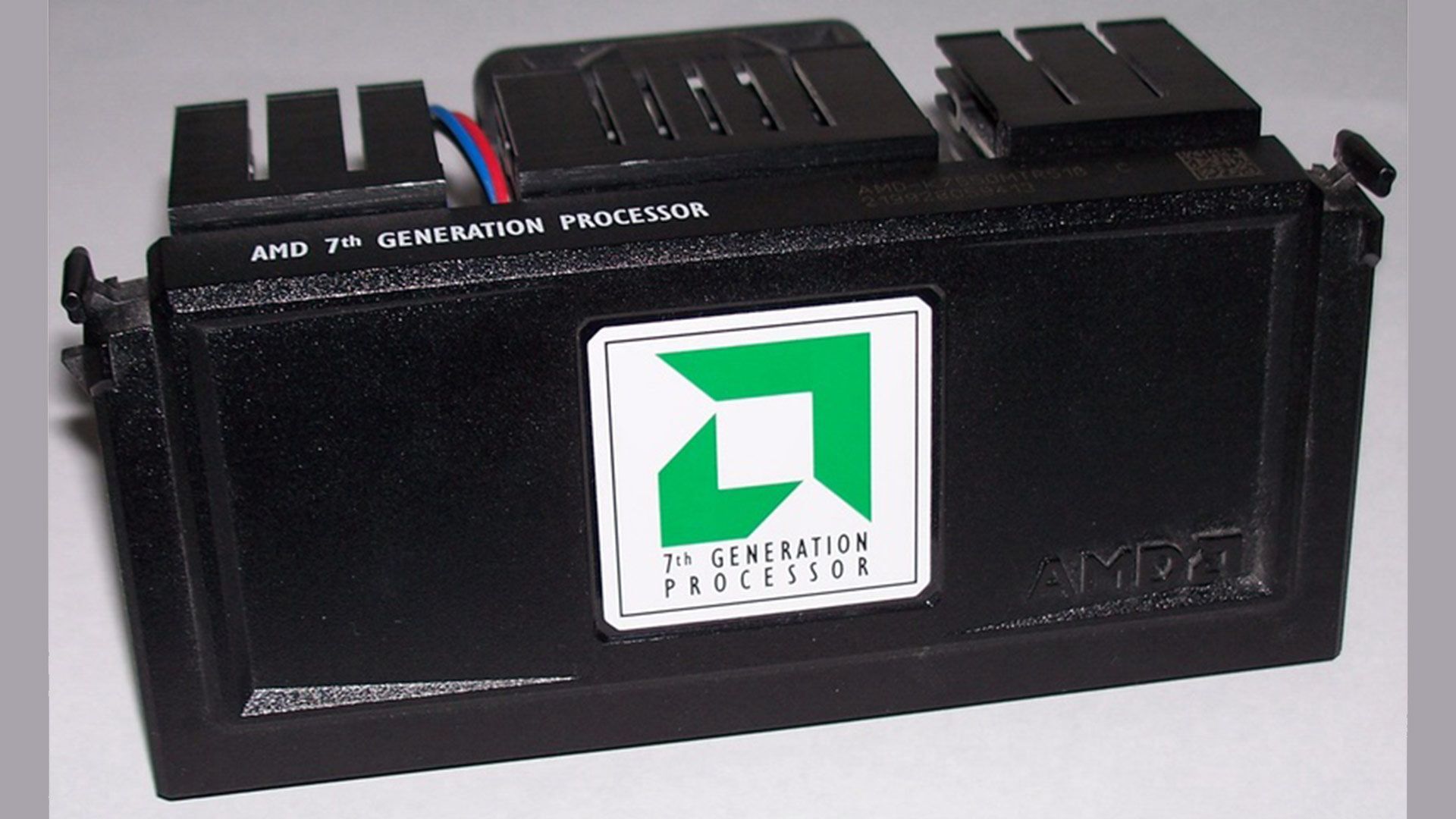
I blame that Athlon… I had the XP 1600+(palomino), which was 1.4 Ghz. On an Abit motherboard. First time getting DDR memory. That one lasted quite a few years. Until dual cores, etc etc.
SSDs have been the most exciting thing since then. I really don’t need many cores. It’s pretty insane how much difference SSDs can make even on 10-15 year old hardware.
1996 I was still using an Atari ST (with 8, not 16 MHz…), end of 96 I got a Pentium 100 with 16 MB, switched to a Pentium 200 MMX and later to an overclocked K6-2@400 MHz in the same socket.
End of 2001 I got the same Athlon XP 1600+ as you.
Motherboard supported both SD- and DDR-RAM, so could reuse my old 192 MB :-)
Agree with the SSDs, only significant perceived performance boost during the last 25 years (although multicore is in some special parallelized usecases also significant, e.g. when building software).

Handwriting recognition doing things :-)
Take it as indication l am not Al.
I’m taking it as indication that you’re Wario.
You must confuse me with someone, I am Wultiplexer!
Or that AIs are now making forced errors to seem more real. 🤔
You are absolutely right!
Let’s give you a better version:
… thinking …
I recall going from a Tandy 1000… To a Packard Bell(Pentium 60 with 16(upgraded from 4) MB RAM and like 1 GB HDD (also upgrade).
Then a Celeron 500 I pieced together cheap(used parts) in middle school. Which didn’t last long! I recall building it. Don’t recall what happened to it!
I blame that Athlon… I had the XP 1600+(palomino), which was 1.4 Ghz. On an Abit motherboard. First time getting DDR memory. That one lasted quite a few years. Until dual cores, etc etc.
SSDs have been the most exciting thing since then. I really don’t need many cores. It’s pretty insane how much difference SSDs can make even on 10-15 year old hardware.
Almost the same as for me!
1996 I was still using an Atari ST (with 8, not 16 MHz…), end of 96 I got a Pentium 100 with 16 MB, switched to a Pentium 200 MMX and later to an overclocked K6-2@400 MHz in the same socket.
End of 2001 I got the same Athlon XP 1600+ as you.
Motherboard supported both SD- and DDR-RAM, so could reuse my old 192 MB :-)
Agree with the SSDs, only significant perceived performance boost during the last 25 years (although multicore is in some special parallelized usecases also significant, e.g. when building software).