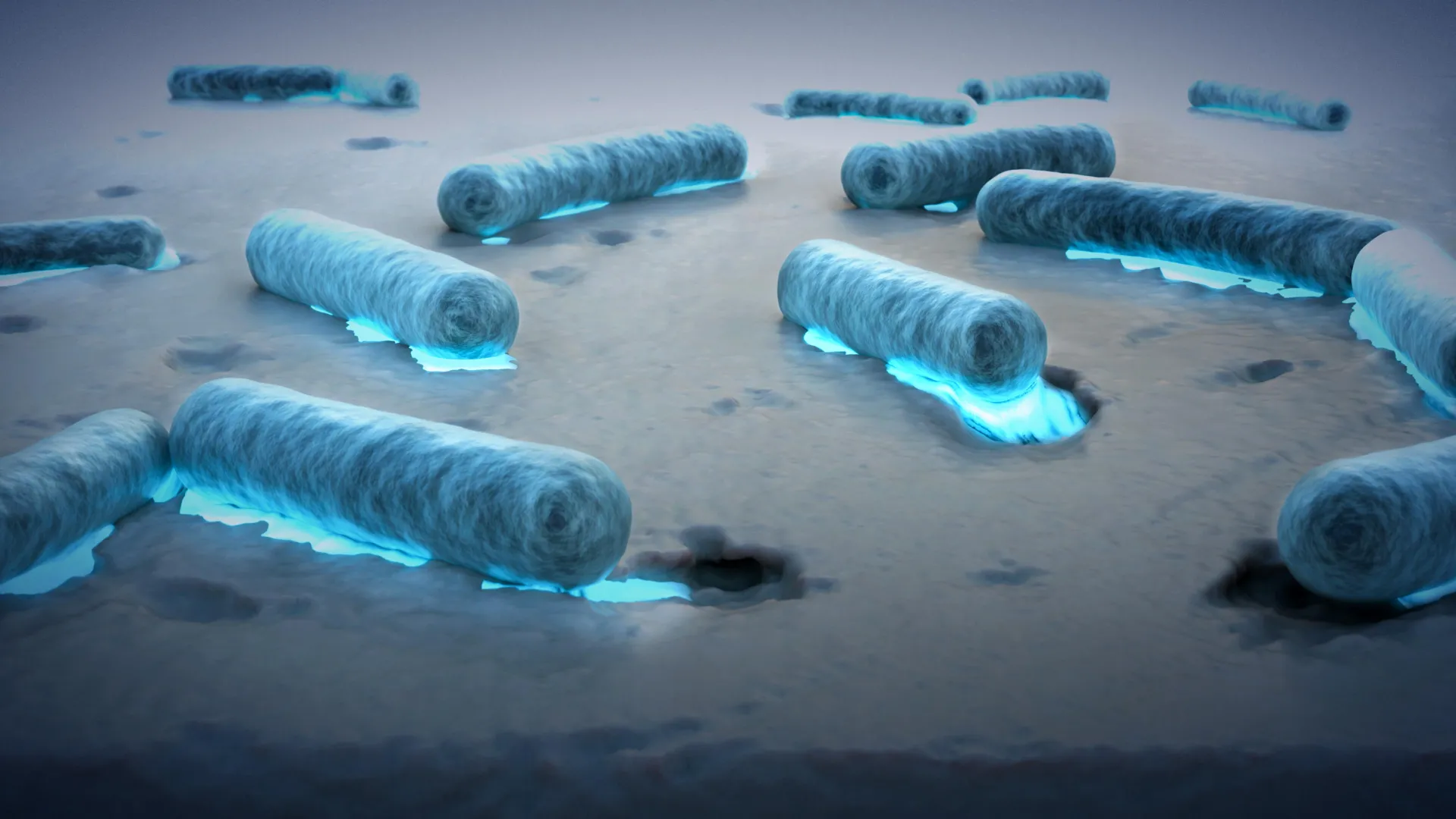
Beneath the ocean’s surface, bacteria have evolved specialized enzymes that can digest PET plastic, the material used in bottles and clothes. Researchers at KAUST discovered that a unique molecular signature distinguishes enzymes capable of efficiently breaking down plastic. Found in nearly 80% of ocean samples, these PETase variants show nature’s growing adaptation to human pollution.


While this is awesome news (if true as stated), I’m afraid it will lead to a cessation of anti-pollution efforts and a return to the old thinking of “nature will handle it.”
What if the opposite happens and “oh shit, all plastic in the world is getting eaten, it’s worthless now!”
It happened to cellulose.
What’s going to happen to all the micro plastic in our bodies? And how long before it just eats us too.
The bacteria release carbon during the decomposition process. So this isn’t a “solution” in any meaningful respect. It’s an instance of evolution at work, as a surplus resource becomes a food source for innovative organisms.
Also, we look at this as some kind of “clean-up”. In reality, this is a threat to one of our most useful durable materials. It’ll likely lead to the development of antiseptics to kill these bacteria colonies, as the last thing anyone with a hard plastic shell on their vehicle or appliance or equipment wants is a colony of plastic-eaters deteriorating it.