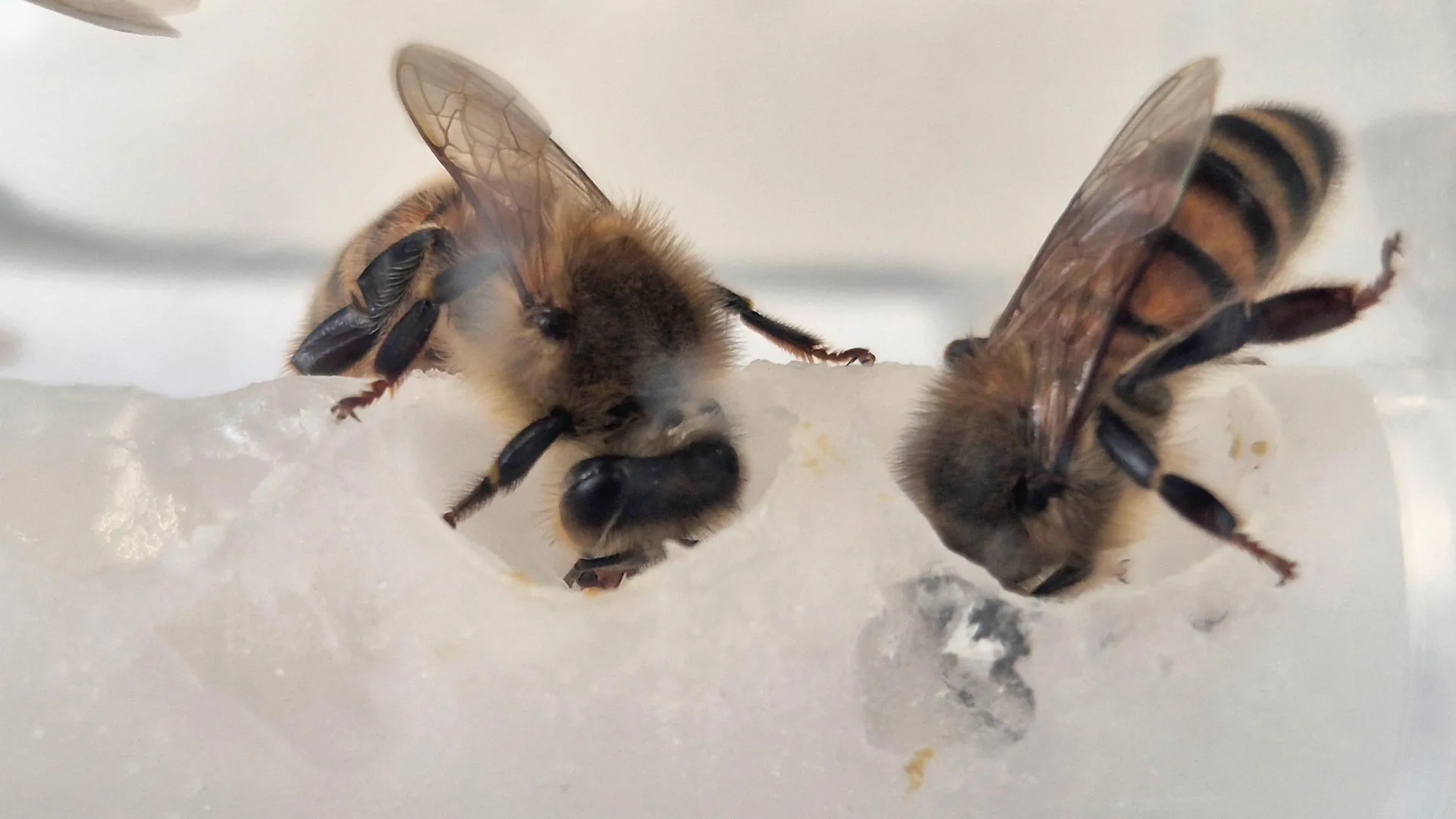
Scientists have developed a breakthrough “superfood” for honeybees by engineering yeast to produce the essential nutrients normally found in pollen. In controlled trials, colonies fed this specially designed diet produced up to 15 times more young, showing a dramatic boost in reproduction and overall health. As climate change and modern agriculture reduce the availability of natural pollen, this innovation could offer a practical way to support struggling bee populations.


Key Native Nitrogen-Fixing Wildflowers:
https://edgeofthewoodsnursery.com/wp-content/uploads/Native-Plants-for-Nitrogen-Fixation.pdf
Cheers
Several of those are going to be perennial and end up competing with mono-culture crops the following year(s) (not that I’m trying to defend mono-culture crops, but that’s what they’re planting). It’s a good idea, but not necessarily as simple as you’re implying. Still it’s an idea that’s not without some merit. The biggest obstacle to adoption is no one is making a significant profit off of it, so it’s unlikely to see much uptake.
You aren’t wrong, but soil can be turned over, and the wildflowers can be removed.
What about the seeds they dropped the year prior
Bees went fucking nuts for my lupine, even while living in an urban environment. Only problem was that the aphids did too. So many that it was revolting. I had to aggressively remove them every single day of the colonies would explode and destroy my lupine within a very short time. They’d suck it dry.
I don’t mean to argue against flowers, but why specifically Pennsylvania? What about everywhere else?