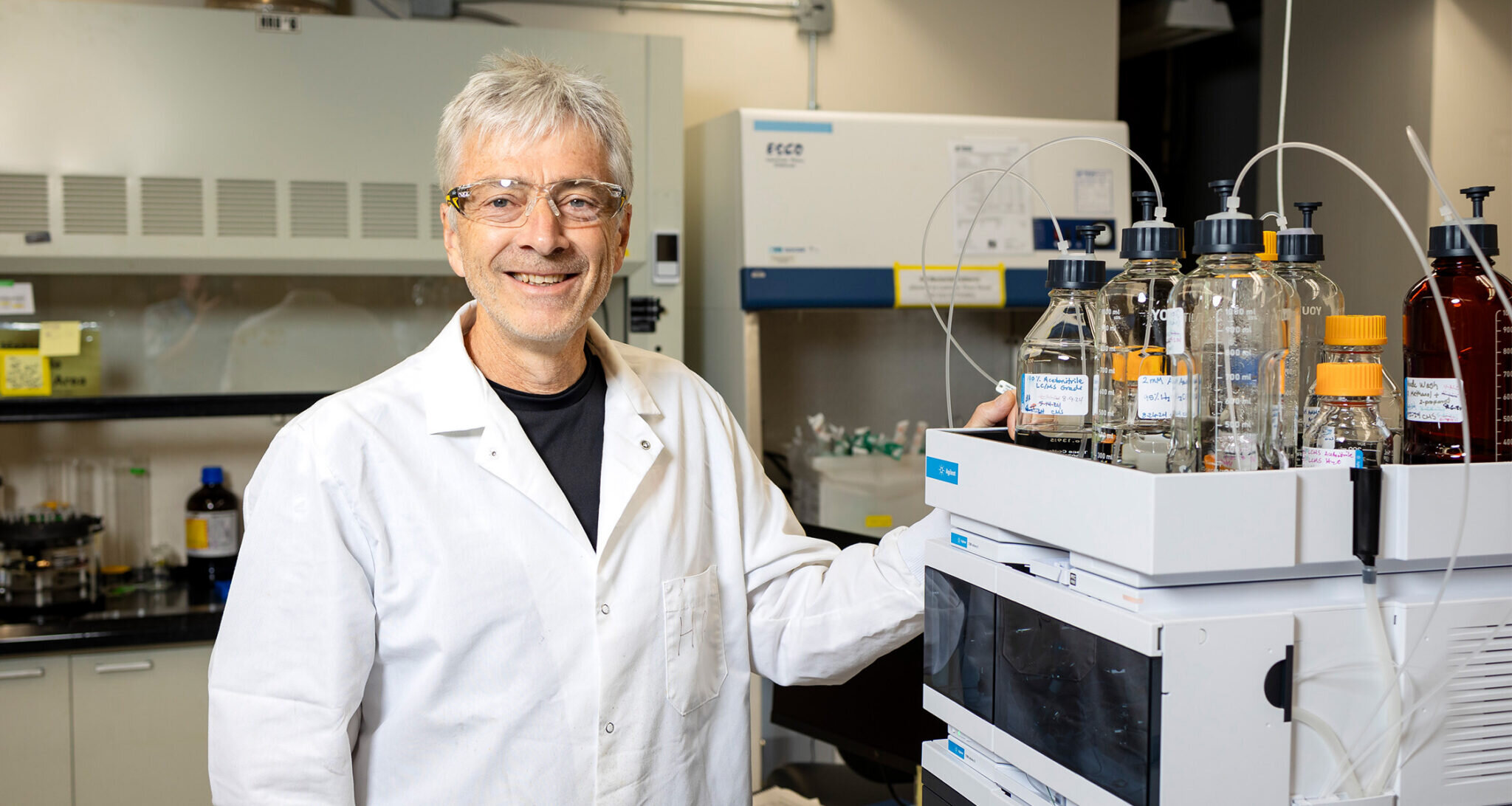
University of Tennessee Knoxville professor and Goodrich Chair of Excellence in Civil Engineering Frank Loeffler and his co-authors published new research on the environmental impacts of "forever chemicals" in Nature Microbiology. Their study uncovered that bacteria incorporate polyfluoroalkyl carboxylates—a type of per- and polyfluoroalkyl substances (PFAS)—into the molecules that make up their cell membranes.


Plus tons of things eat those bacteria, then become food for someone else. How long do the PFASes persist in the bodies of organisms that consume them or the things that eat those critters? If/when they break down, how do those compounds interact with those organisms, or living tissue, or the surrounding environment? I have a lot of questions about this, but sure, the science is neat.