By “lime” I mean calcium oxide, not the citrus. Same name, opposite pH. They usually get it by crushing and roasting seashells.
Calcium oxide is strongly alkaline, to the point it might cause you harm in large quantities. But just a bit is fine*, and the alkalinity makes the alkaloid (cocaine) in coca leaves to become soluble, so it’s actually absorbed by the body.
This is the same idea behind crack cocaine, by the way: bake it with baking soda. But for the native peoples of the Andes it was fine, the amount of cocaine you’re getting from chewing coca leaves is rather small. Just enough to fight the lack of breath when you’re on the mountains.
*that reminds me some dishes that use calcium oxide. The folks in North America use it with maize, so it becomes gluey (important for tacos!) and releases the B12. In the meantime, here in Brazil people use it for candied pumpkin cubes, so they get a nice and chewy “skin” around the pasty interior.
On the fruit: it seems to me that Mexicans and Sicilians love to pour citrus juices over almost everything. Not a bad habit; like you said, that tang does wonders to balance some flavours.
Well, that’s rather fascinating. Thanks for explaining.
The folks in North America use it with maize, so it becomes gluey (important for tacos!) and releases the B12.
Mexican and Tex-Mex food is something of a staple around here, so I’m surprised to hear that cooks use lime with maize. I don’t think I’ve ever seen it in any recipe, but maybe that’s kind of a Gringo issue.
In the meantime, here in Brazil people use it for candied pumpkin cubes, so they get a nice and chewy “skin” around the pasty interior.
Oh wow, interesting. I’ll have to see if the Brasilian restaurant nearby is still around. I’ve been quite remiss in not checking them out, sadly. :/
it seems to me that Mexicans and Sicilians love to pour citrus juices over almost everything. Not a bad habit; like you said, that tang does wonders to balance some flavours.
In terms of Mexico, I think that kinda varies by region, but I’m not 100%. In any case, I wish I could do the same, but lime juice tears up my old-man stomach at this point.
(Key) Limes are of course integral to making ceviche & tiradito. Is there a counterpart in Brasil?
Small correction: the vitamin in question is the B₃ (niacin), not the B₁₂ (cobalamine) like I previously said. (I just checked it.)
Mexican and Tex-Mex food is something of a staple around here, so I’m surprised to hear that cooks use lime with maize. I don’t think I’ve ever seen it in any recipe, but maybe that’s kind of a Gringo issue.
Odds are you already ate it, either as masa harina (the one used for tacos) or as hominy: the maize is cooked in limewater, then washed, then further prepared. It’s just that nowadays odds are you already buy it after it was slaked in lime.
Nowadays it isn’t a big deal, because food sources got extremely varied, but for the Aztecs and neighbouring peoples it was a way to prevent pellagra.
Oh wow, interesting. I’ll have to see if the Brasilian restaurant nearby is still around. I’ve been quite remiss in not checking them out, sadly. :/
In case you’re looking for it, the local name is “doce de abóbora”. It should look like this:
Sometimes cut into fancy shapes, like hearts or similar. Or simple cubes, specially if homemade. It can be made with either pumpkin proper (abóbora moranga) or butternut squash (abóbora menina).
(Key) Limes are of course integral to making ceviche & tiradito. Is there a counterpart in Brasil?
None as far as I know. Tiradito is almost unknown; ceviche is somewhat well known but associated with Peru, much like sashimi is associated with Japan. (Kind of weird how the Japanese community in Brazil managed to spread yakisoba and gyoza [aka pastel], but sashimi is still seen as “exotic”.)
In fact the only two dishes I recall using raw meats use beef instead:
carne de onça (lit. “jaguar meat”, but more like “meat eaten like a jaguar would”) — it’s German Mett, but with beef instead of pork. Still to be served over rye bread, with onion, and some raw yolk.
quibe cru (lit. “raw kibbeh”) — it’s the kibbeh nayyeh the Levantines eat, brought by immigrants. (I’m not even sure how well known it is; I eat it often because the only person who got enough patience to teach my mum cooking 101 was a Lebanese granny.)
Odds are you already ate it, either as masa harina (the one used for tacos) or as hominy: the maize is cooked in limewater, then washed, then further prepared. It’s just that nowadays odds are you already buy it after it was slaked in lime.
Oh, okay. I’ve only ever made flour / harina from oats, and almost never use corn flour myself. But certainly, I’ve had my share of corn tacos and chips, so now I know!
In case you’re looking for it, the local name is “doce de abóbora”.
Ah. “Sweetness of pumpkin.” Pumpkin dessert. It seems the local place “Batuqui” doesn’t have it, but I’ll keep my eyes open in future.
German Mett, but with beef instead of pork. Still to be served over rye bread, with onion, and some raw yolk.
Interesting. Reminds me of the French version, tartare. Similar sides, and popularly eaten with raw garlic scraped on toast, I believe.
Say, do you ever share your dishes with !cooking@lemmy.world or other cooking community here? I’ve shared a few things in the past, and have a few more dish pics I need to transfer over from my phone…


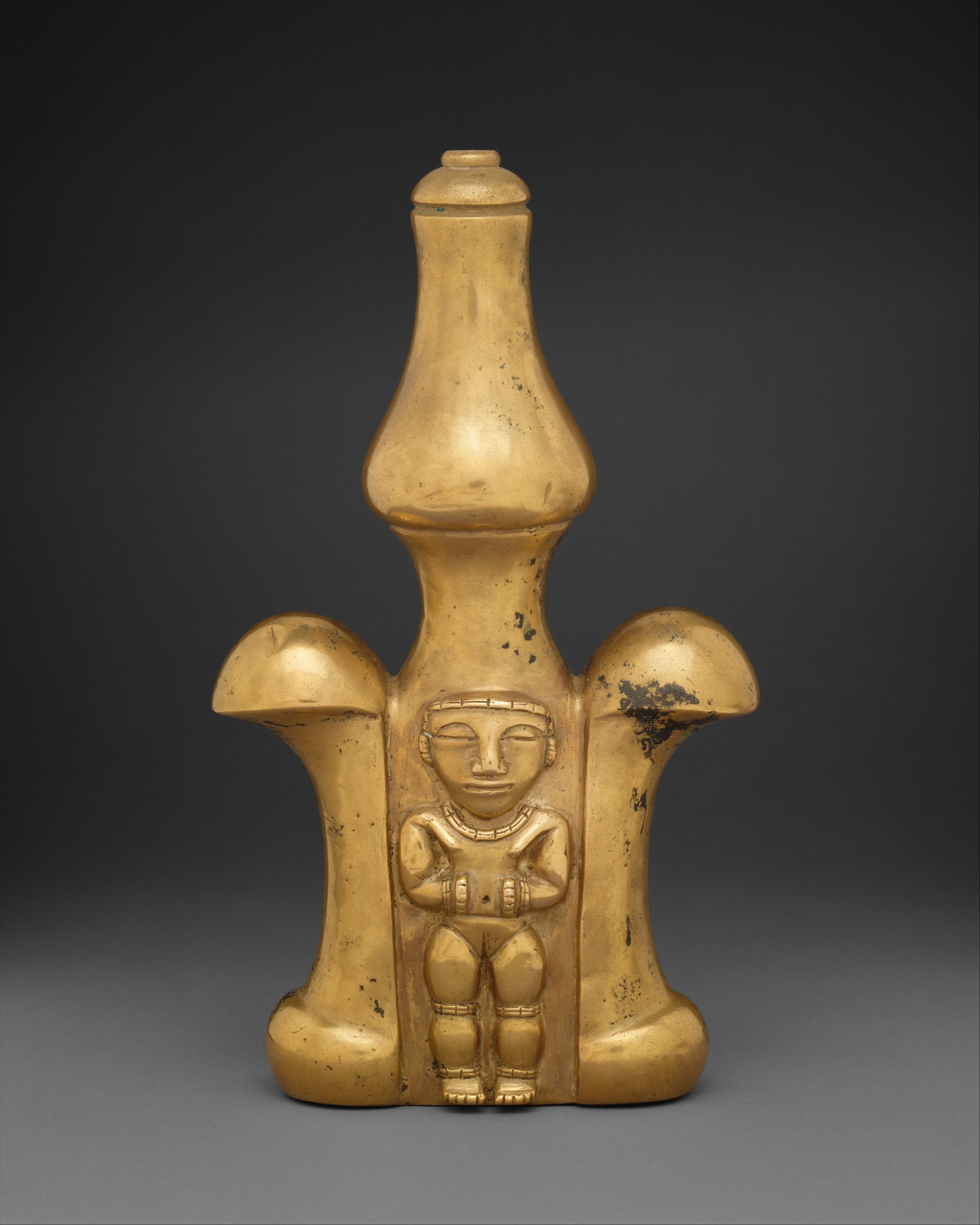
By “lime” I mean calcium oxide, not the citrus. Same name, opposite pH. They usually get it by crushing and roasting seashells.
Calcium oxide is strongly alkaline, to the point it might cause you harm in large quantities. But just a bit is fine*, and the alkalinity makes the alkaloid (cocaine) in coca leaves to become soluble, so it’s actually absorbed by the body.
This is the same idea behind crack cocaine, by the way: bake it with baking soda. But for the native peoples of the Andes it was fine, the amount of cocaine you’re getting from chewing coca leaves is rather small. Just enough to fight the lack of breath when you’re on the mountains.
*that reminds me some dishes that use calcium oxide. The folks in North America use it with maize, so it becomes gluey (important for tacos!) and releases the B12. In the meantime, here in Brazil people use it for candied pumpkin cubes, so they get a nice and chewy “skin” around the pasty interior.
On the fruit: it seems to me that Mexicans and Sicilians love to pour citrus juices over almost everything. Not a bad habit; like you said, that tang does wonders to balance some flavours.
Well, that’s rather fascinating. Thanks for explaining.
Mexican and Tex-Mex food is something of a staple around here, so I’m surprised to hear that cooks use lime with maize. I don’t think I’ve ever seen it in any recipe, but maybe that’s kind of a Gringo issue.
Oh wow, interesting. I’ll have to see if the Brasilian restaurant nearby is still around. I’ve been quite remiss in not checking them out, sadly. :/
In terms of Mexico, I think that kinda varies by region, but I’m not 100%. In any case, I wish I could do the same, but lime juice tears up my old-man stomach at this point.
(Key) Limes are of course integral to making ceviche & tiradito. Is there a counterpart in Brasil?
Small correction: the vitamin in question is the B₃ (niacin), not the B₁₂ (cobalamine) like I previously said. (I just checked it.)
Odds are you already ate it, either as masa harina (the one used for tacos) or as hominy: the maize is cooked in limewater, then washed, then further prepared. It’s just that nowadays odds are you already buy it after it was slaked in lime.
Nowadays it isn’t a big deal, because food sources got extremely varied, but for the Aztecs and neighbouring peoples it was a way to prevent pellagra.
In case you’re looking for it, the local name is “doce de abóbora”. It should look like this:
Sometimes cut into fancy shapes, like hearts or similar. Or simple cubes, specially if homemade. It can be made with either pumpkin proper (abóbora moranga) or butternut squash (abóbora menina).
None as far as I know. Tiradito is almost unknown; ceviche is somewhat well known but associated with Peru, much like sashimi is associated with Japan. (Kind of weird how the Japanese community in Brazil managed to spread yakisoba and gyoza [aka pastel], but sashimi is still seen as “exotic”.)
In fact the only two dishes I recall using raw meats use beef instead:
Oh, okay. I’ve only ever made flour / harina from oats, and almost never use corn flour myself. But certainly, I’ve had my share of corn tacos and chips, so now I know!
Ah. “Sweetness of pumpkin.” Pumpkin dessert. It seems the local place “Batuqui” doesn’t have it, but I’ll keep my eyes open in future.
Interesting. Reminds me of the French version, tartare. Similar sides, and popularly eaten with raw garlic scraped on toast, I believe.
Say, do you ever share your dishes with !cooking@lemmy.world or other cooking community here? I’ve shared a few things in the past, and have a few more dish pics I need to transfer over from my phone…