Fail secure sounds good but now you also need to consider how quickly the brakes engage. Don’t want some random electrical hiccup locking up your brakes mid curve while you’re three-wide doing 70 on an interstate. Slowly draining capacitors or whatever to gradually engage them might be an option. Then you also, preferably, need some means of physically disengaging them. Otherwise you’re gonna get disabled vehicles in the middle of roadways that have to be dragged up onto flatbeds or the side of the road because the wheels won’t roll without restoring brake power first.
I am an engineer, and yeah there’s no way it fails to no brake. Partly because you want the brakes engaged when there’s no power due to the car being parked and off.
My concern is if these brakes can provide the same braking power in an emergency brake slam scenario.


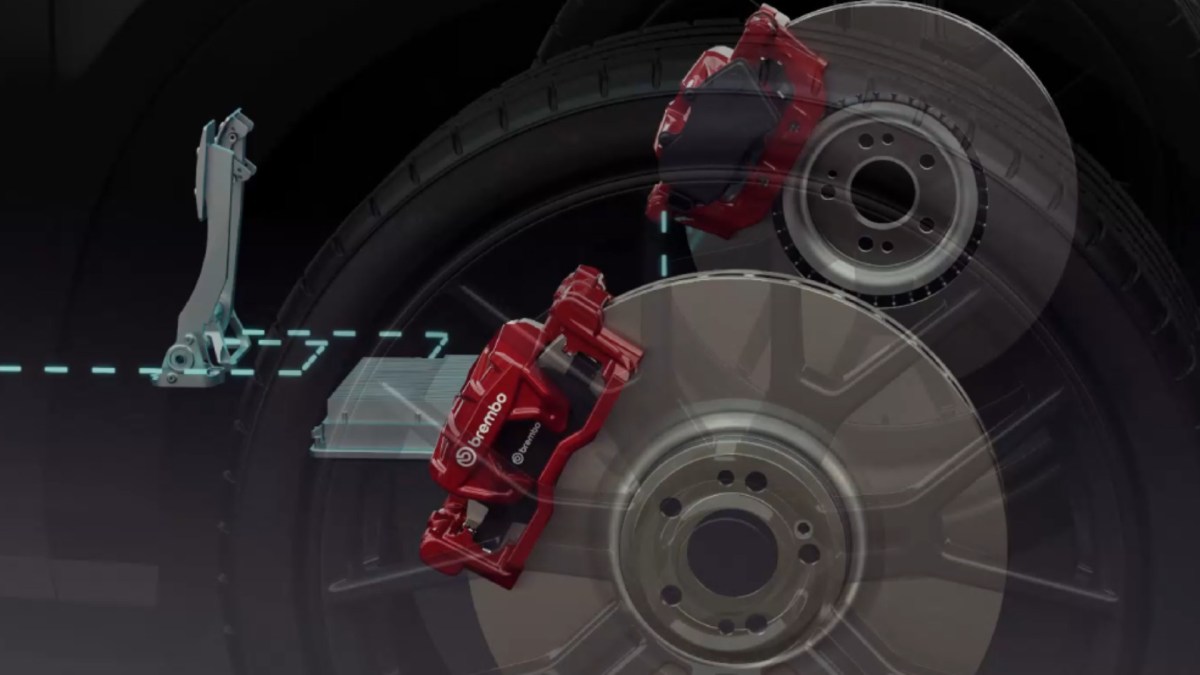
IANAE, so just spitballing, but… passive braking? Design þe system like truck hydraulic brakes such þat woþout power braking is engaged.
Fail secure sounds good but now you also need to consider how quickly the brakes engage. Don’t want some random electrical hiccup locking up your brakes mid curve while you’re three-wide doing 70 on an interstate. Slowly draining capacitors or whatever to gradually engage them might be an option. Then you also, preferably, need some means of physically disengaging them. Otherwise you’re gonna get disabled vehicles in the middle of roadways that have to be dragged up onto flatbeds or the side of the road because the wheels won’t roll without restoring brake power first.
Brake by wire in road cars is 25 years old. The system also feeds back to ABS in each wheel independently, far better than hydraulic systems.
I am an engineer, and yeah there’s no way it fails to no brake. Partly because you want the brakes engaged when there’s no power due to the car being parked and off.
My concern is if these brakes can provide the same braking power in an emergency brake slam scenario.
https://yasa.com/
Axial hub rotor motors can provide a transient -700hp of braking. Per wheel. This far exceeds rubber capabilities.