

- cross-posted to:
- canada@lemmy.ca
- usa@midwest.social
- technology@lemmy.ml
- cross-posted to:
- canada@lemmy.ca
- usa@midwest.social
- technology@lemmy.ml
cross-posted from: https://news.abolish.capital/post/49178
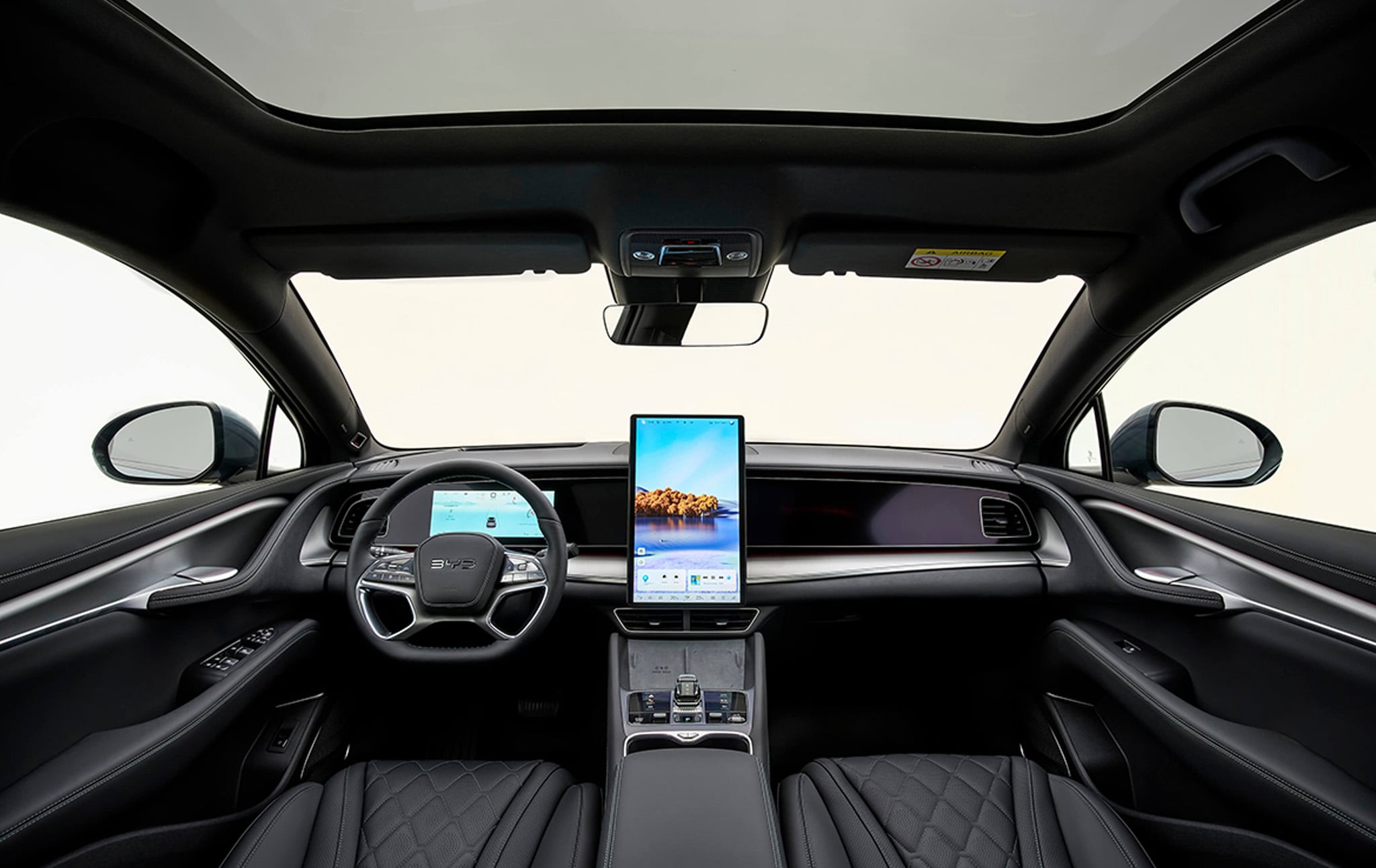
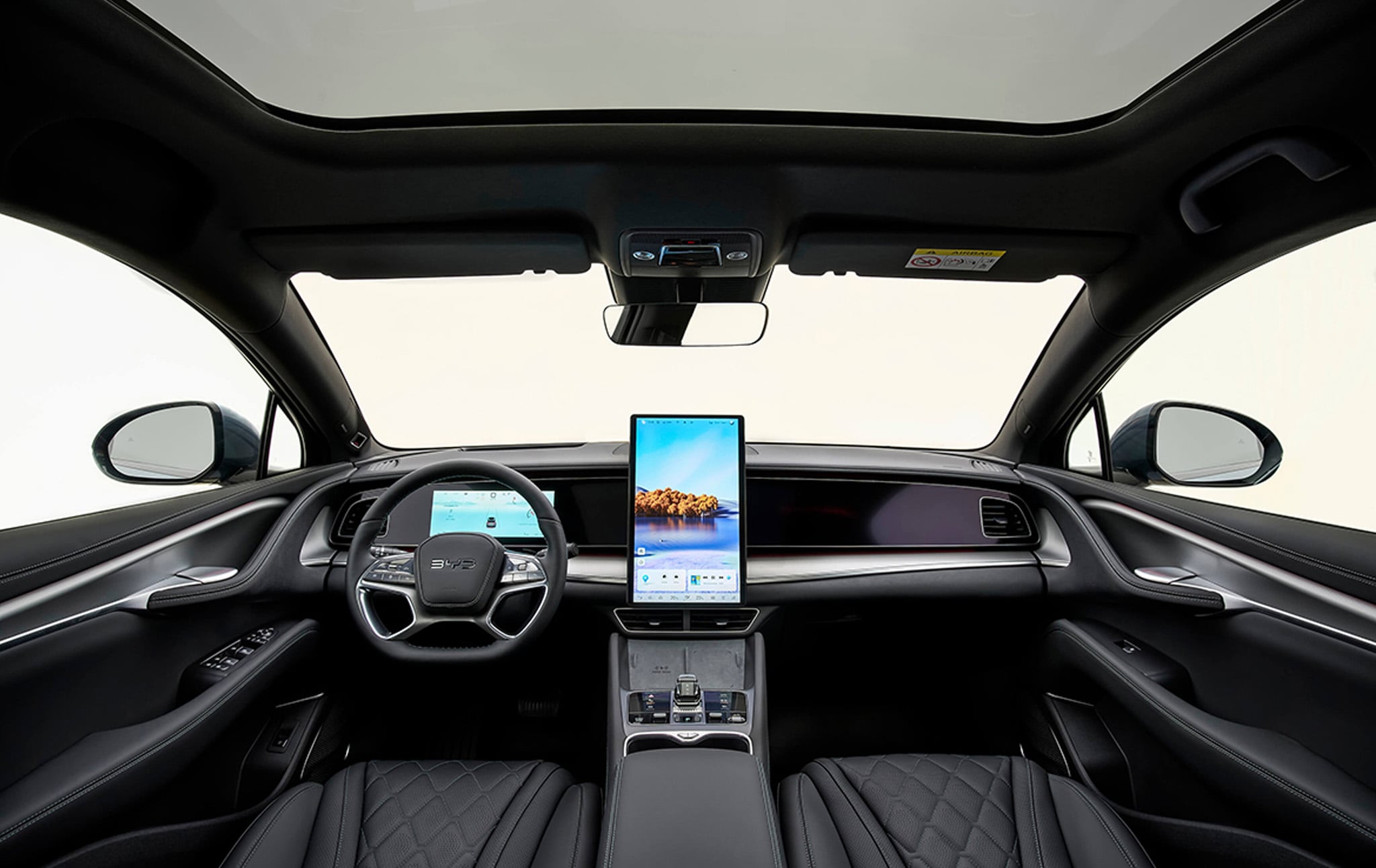
I took my first ride in a Chinese car recently. Not in the U.S., of course, since sky-high tariffs have made them almost impossible to import. I was visiting family in the U.K., and we rented a BYD Sealion SUV. And let me tell you: I saw immediately why American car companies are desperate to have these things kept out of this country. It was elegantly designed, incredibly comfortable, and a smooth ride.
From blog via This RSS Feed.

Not really. European countries usually subsidize purchasing EVs. China subsidizes manufacturing them, including for foreign markets.
If you buy a Chinese EV, it still get a subsidy from your own government too (if it still has such a program - mine does not), not just the Chinese one.
From the article about BYD:
From your first article about VW (I used google translate, let me know if it got anything wrong, mein Deutsch ist sehr schlecht):
So we don’t know what BYD’s true equivalent for the €6.4 billion (over 8 years) number is. They get grants for building manufacturing plants and such too. But here’s what we do know: their equivalent for VW’s €2.4 billion (over 8 years) is that $1.86 billion dollar figure (for one year). That’s the subsidies for actually manufacturing and selling cars. And crucially, since that €2.4 billion (again, over 8 years) was from purchase subsidies, that means BYD cars are eligible for those too, that’s not a VW-specific subsidy. Unless Germany has rules saying EV buyers only get subsidies for buying German EVs, but I don’t know that they do.
Basically, China pays BYD 2-3k (IIRC) to build an EV and then Germany pays you 3-6k to buy an EV, while China also has significantly cheaper labour. BYD’s average salary (including everyone from factory workers to engineers and executives) was 1500 EUR per month in 2025, from their own financial reports (total cost divided by head count). That includes taxes, benefits, etc. Now consider what a factory worker makes in Germany and then also consider what engineers make in Germany. According to this article, the LOWEST in-house employment contract VW has, was 2400 EUR per month in 2024. There are also allegations of 7 day work weeks in BYD’s Hungarian plant, but those might be from a biased source.
I had a look at the original report by BYD as the site linked by the other commenter didn’t include the information and seemed AI generated (some numbers were actually a bit of, though not by much). According to it the 1.86$ billion are the only directly paid subsidies BYD received in 2025. All other subsidies were loans with favorable conditions, which aren’t directly relevant (The report is 300+ pages long I may have missed something) Source. Currently Germany supports all EV purchase, so the 2.4$ billion should not be counted, but according to the BAFA this is planned/considered to be made exclusive to EU made cars. Source (German). The 6.4$ billion should IMO be counted against the 1.86$ billion as they are both direct founding, and apparently the only direct. While a bit lower this still places VW in the about a billion dollar (925$ million). Additionally, even though the subsidies are universal the EU has placed a tariff on Chinese EVs since 2024 that ranges from 27%-47% depeding on the manufacturer. Source. The working conditions and wages at BYD are of course lower than at VW, even if this is partially countered by the lower standard of living in China, however we don’t no how much of the final car the companies actually produce (how much of it is done by them and not just bought premade, likely in China).
Anyway I don’t think this comparison could ever be 100% fair as China and Germany have different economic models, Germany already established its car industry while Chinas is still relatively up and coming etc. I do however think that it is not accurate to say “they are cheaper because government subsidies” as there are many more factors.
Chinese wages are expensive enough that Western companies are preferring outsourcing labor elsewhere.
Chinese wages for western companies, sure. BYD’s not a western company, they get twice as many hours per week from their employees and nothing will be done to them because it’s all sponsored by the government.
Put down the flavorade.
BYD does 996 in China. Reportedly the Hungarian employees are being told to work 7 days a week, which the EU is now investigating since it’s not kosher round these parts.